10 Facts About the Louisiana Purchase
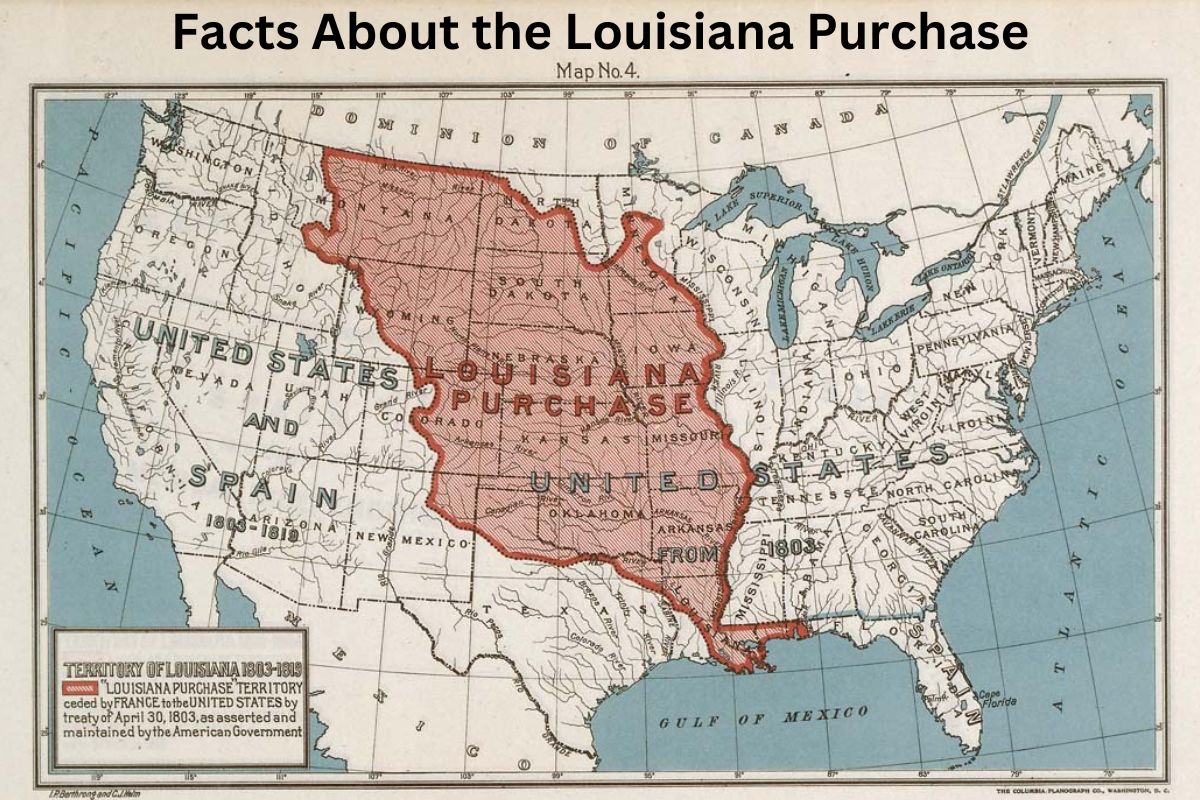
Facts About the Louisiana Purchase

The Louisiana Purchase was a land deal between the United States and France in which the United States paid $15 million for approximately 827,000 square miles of property west of the Mississippi River. Louisiana territory extended from the Mississippi River to the Rocky Mountains and from the Gulf of Mexico to Canada, encompassing all or … Read more
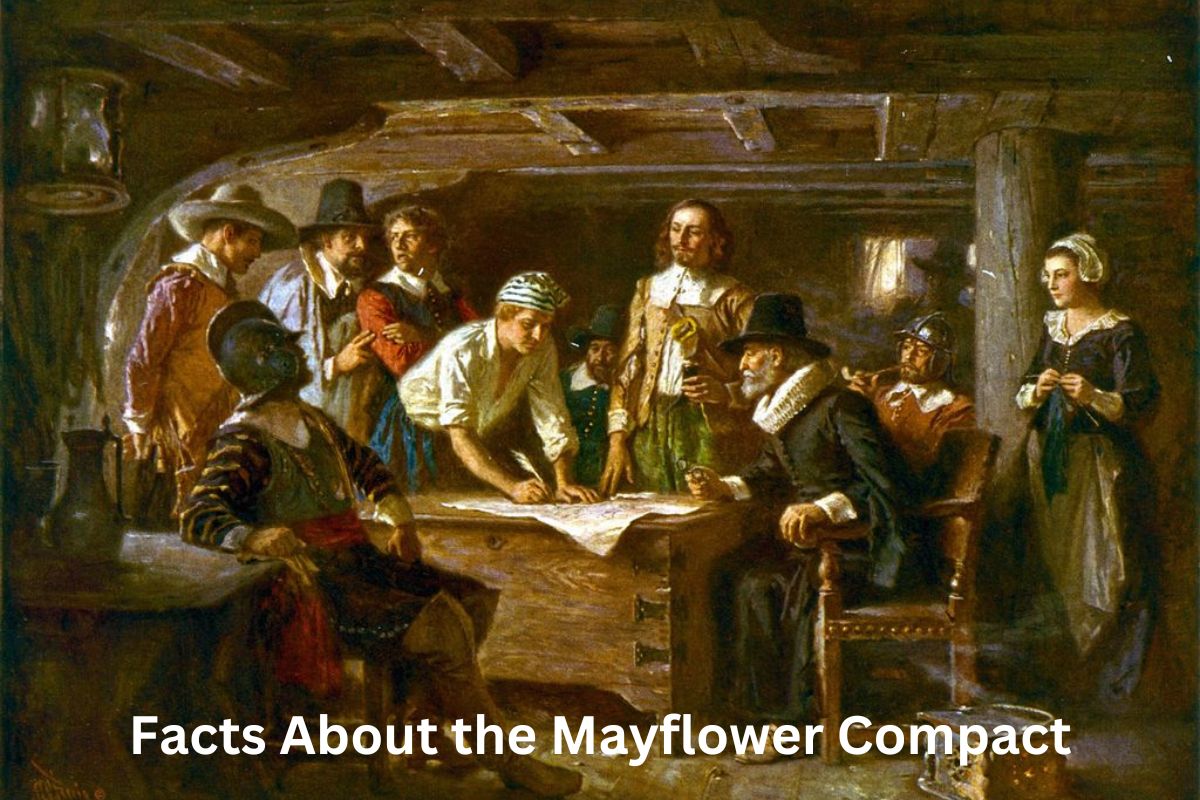
8 Facts About the Mayflower Compact

Facts About the Mayflower Compact

The Mayflower Compact was a formal agreement made in 1620 by the passengers of the Mayflower, a British ship that conveyed Pilgrims from England to the New World. It was developed as a form of administration for the Plymouth Colony, which was founded by the Pilgrims upon their arrival in modern-day Massachusetts. The Mayflower Compact … Read more

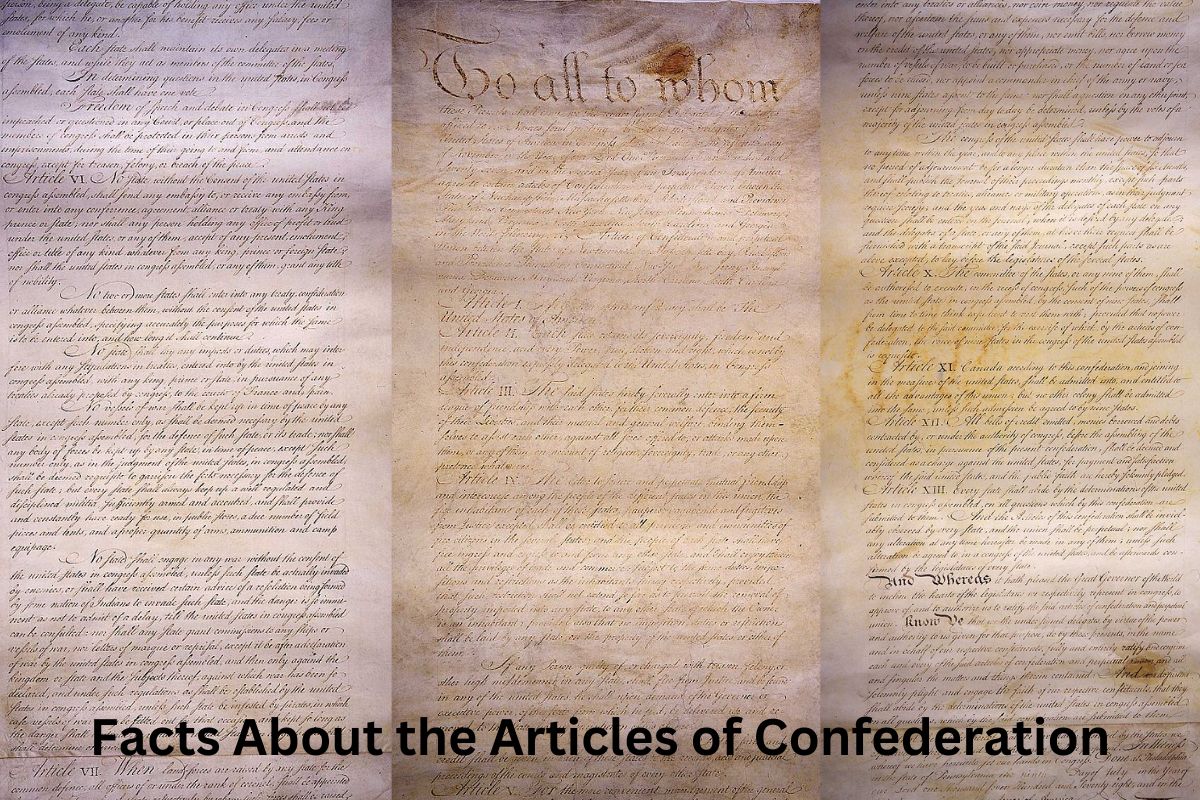
10 Facts About the Articles of Confederation

Facts About the Articles of Confederation

The Articles of Confederation were the first constitution of the United States, accepted by all 13 states in 1781 after being established by the Second Continental Congress in 1777. The Articles of Confederation formed a loose union of states in which the central government had little power and local governments retained the majority of their … Read more

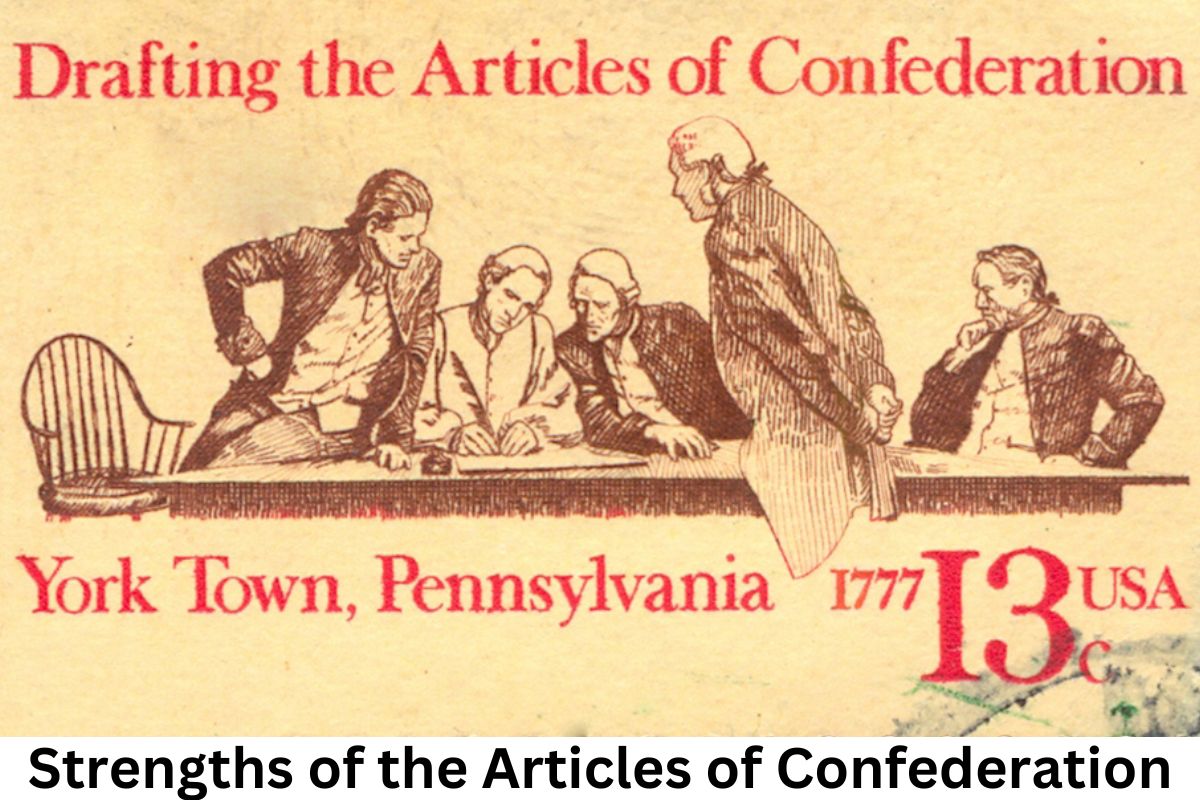
10 Strengths of the Articles of Confederation

Strengths of the Articles of Confederation

The Articles of Confederation were the United States’ first constitution, passed by the Second Continental Congress in 1777 and approved by all 13 states in 1781. The Articles of Confederation formed a loose alliance of states in which the central government had little power and local states retained the majority of their autonomy. Under the … Read more

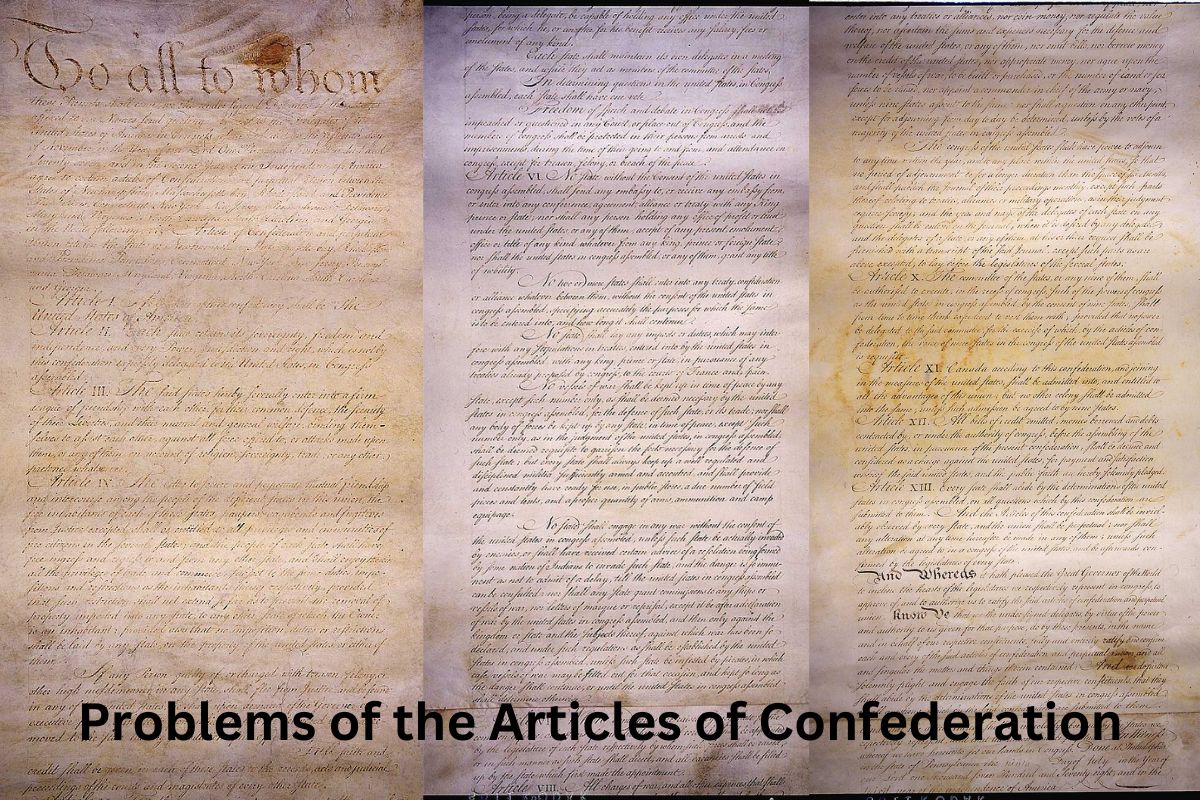
10 Problems of the Articles of Confederation

Problems of the Articles of Confederation

The Articles of Confederation were the first constitution of the United States, adopted by the Second Continental Congress in 1777 and approved by all 13 states in 1781. The Articles of Confederation established a loose union of states in which the central government wielded minimal power and local governments retained the majority of their independence. … Read more

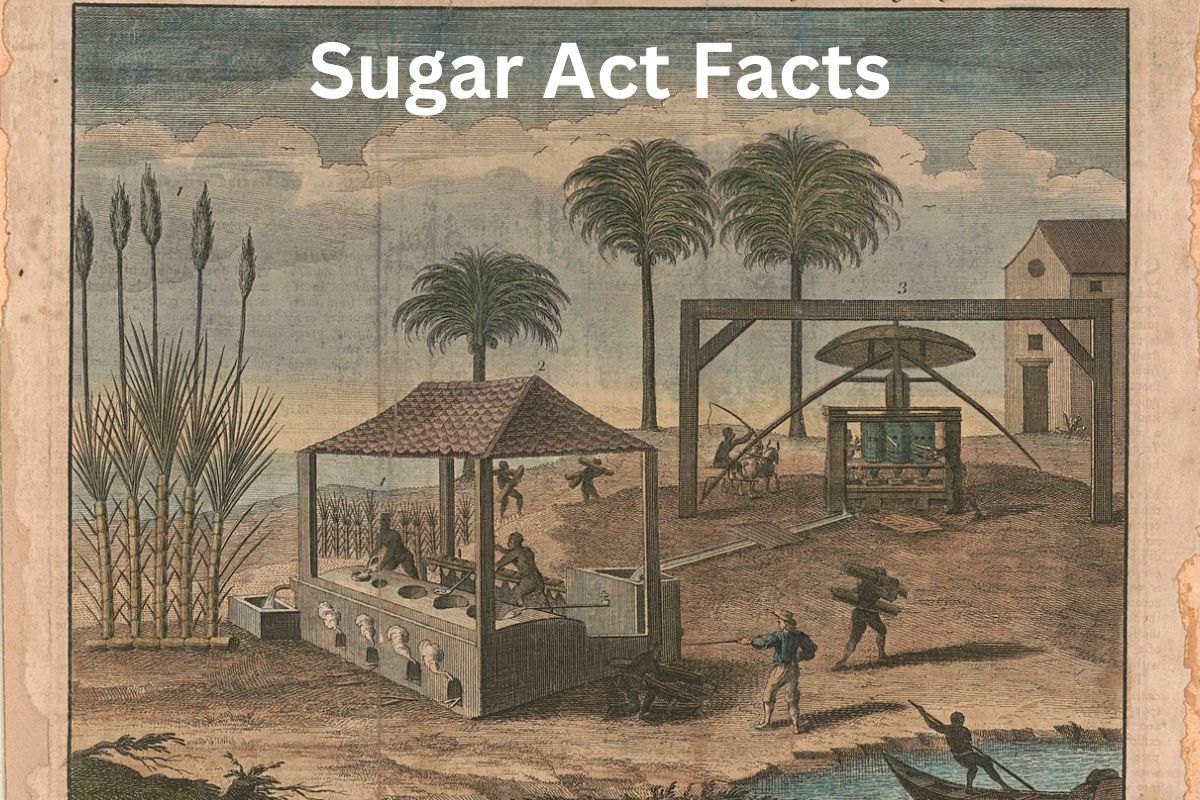
10 Sugar Act Facts

Sugar Act Facts

In 1764, the British government issued a statute known as the Sugar Act, which levied taxes on sugar and molasses that were brought into the American colonies from abroad. Both regulating commercial activity in the colonies and increasing money for the British government were among the goals of the statute. The Sugar Act was considered … Read more

10 Intolerable Acts Facts

Intolerable Acts Facts

The Intolerable Acts were a series of laws passed by the British Parliament in 1774 in response to the Boston Tea Party, which was a protest against British rule in the American colonies. The acts were intended to punish the colonies for their defiance and to reassert British authority in the New World. The Intolerable … Read more

10 Stamp Act Facts

Stamp Act Facts

In 1765, the British government levied a levy known as the Stamp Act upon its colonial subjects in the United States. In accordance with the terms of the act, a tax stamp was needed to be affixed to a wide range of printed products, including legal documents, newspapers, and playing cards. The act was met … Read more

10 Tea Act Facts

Tea Act Facts

The Tea Act of 1773 was a legislation that was passed by the British Parliament to govern the tea trade that took place between Britain and its American colonies. The act was named after the year it was approved. The act lowered the tax on tea in order to assist the East India Company, which … Read more

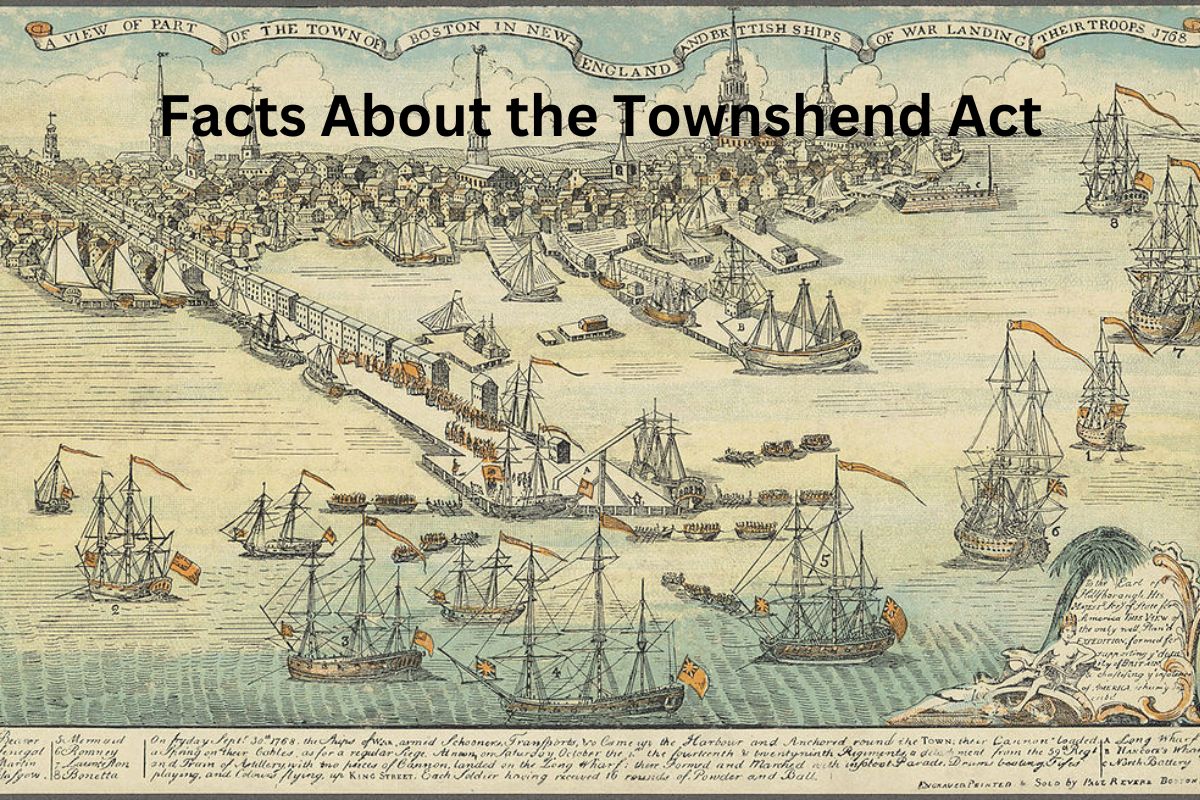
10 Facts About the Townshend Act

Facts About the Townshend Act

The Townshend Act was a set of British laws placed on the American colonies in 1767. The taxes were levied on products such as glass, lead, paint, paper, and tea, with the proceeds going toward the expense of keeping British troops in the colonies. The colonists were outraged by the measure, which they considered as … Read more