Articles of Confederation vs Constitution – What’s the Difference?
Articles of Confederation vs Constitution

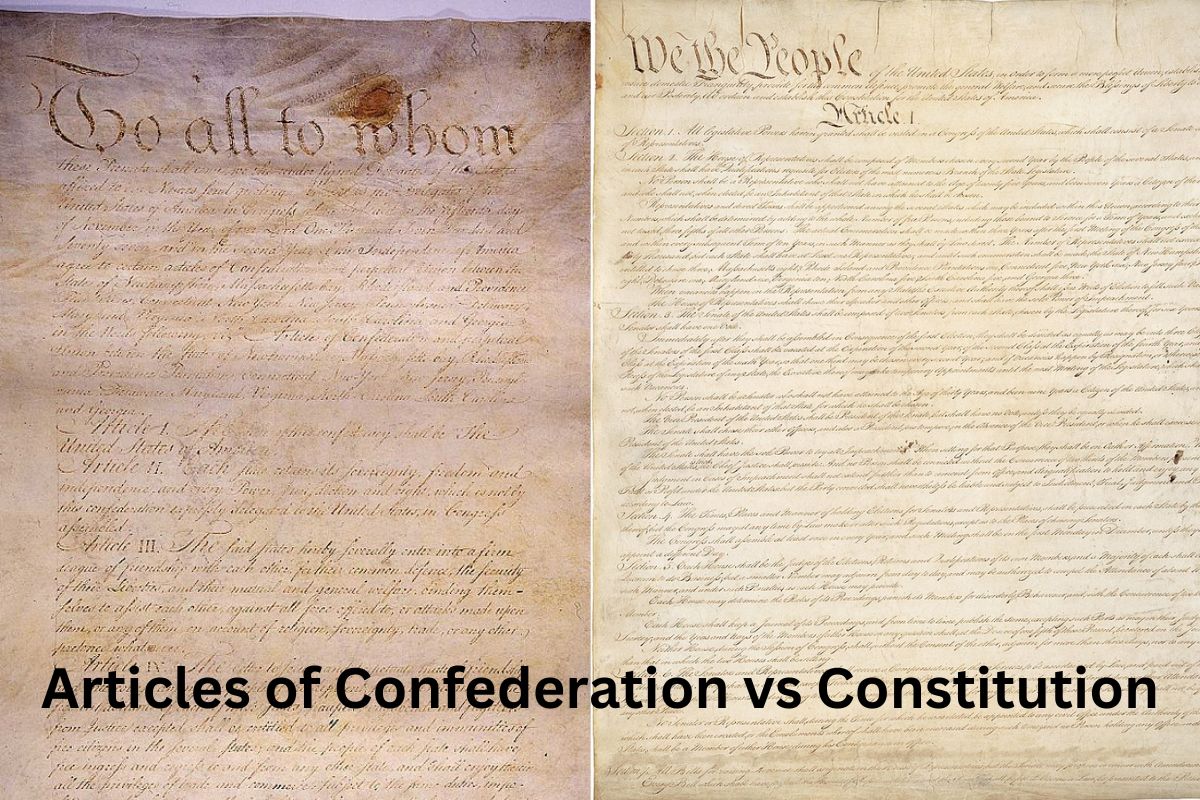
Both the Constitution and the Articles of Confederation are landmark texts in the annals of American history; nonetheless, these two documents were drafted with quite different goals in mind and contain important distinctions. The original constitution of the United States of America was called the Articles of Confederation, and it was established by the Continental … Read more
10 Facts About the Constitution

Facts About the Constitution

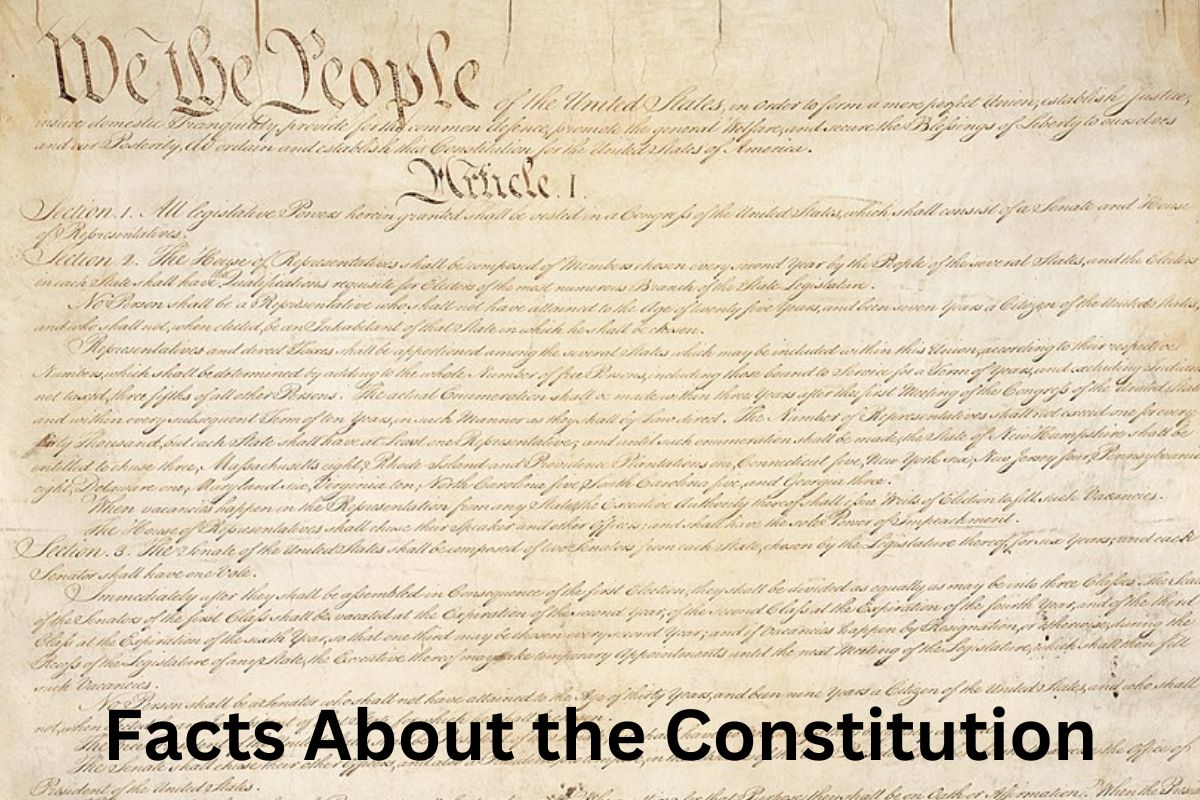
The United States Constitution is the supreme law of the United States of America. It was adopted at the Constitutional Convention in Philadelphia in 1787 and afterwards ratified by conventions in each state of the United States. The Constitution, which includes a preamble and seven articles that express the essential ideas of the federal government, … Read more

10 First Continental Congress Facts

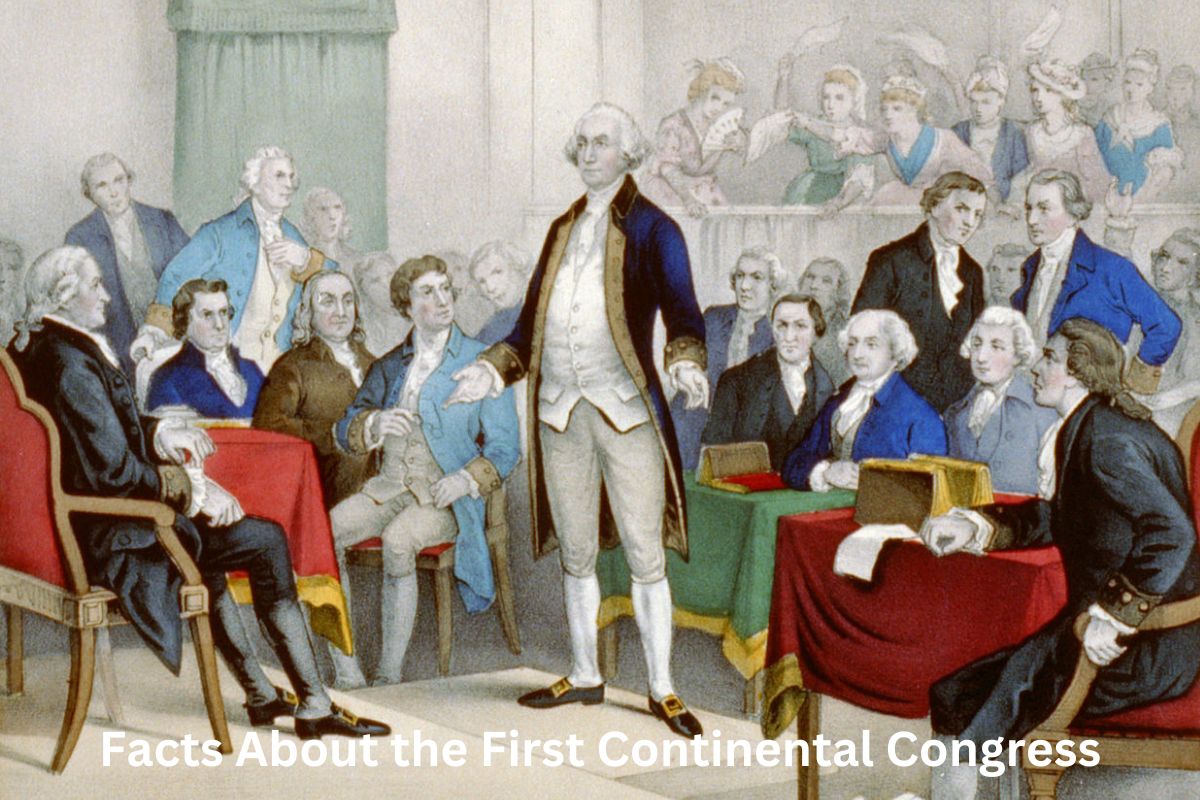
Facts About the First Continental Congress

The First Continental Congress was a gathering of members from twelve of North America’s thirteen British provinces. It was held from September 5 to October 26, 1774 in Philadelphia, Pennsylvania. The Congress was convened to discuss concerns against the British government and to plan a reaction to the Coercive Acts, a series of measures enacted … Read more

15 Facts About Independence Day

Facts About Independence Day

Independence Day, also known as the Fourth of July, is a significant and cherished national holiday in the United States. It commemorates the country’s declaration of independence from British rule on July 4, 1776. This historic event marked the birth of a new nation, founded on principles of liberty, equality, and self-governance. Independence Day holds … Read more

10 Facts About the Louisiana Purchase

Facts About the Louisiana Purchase

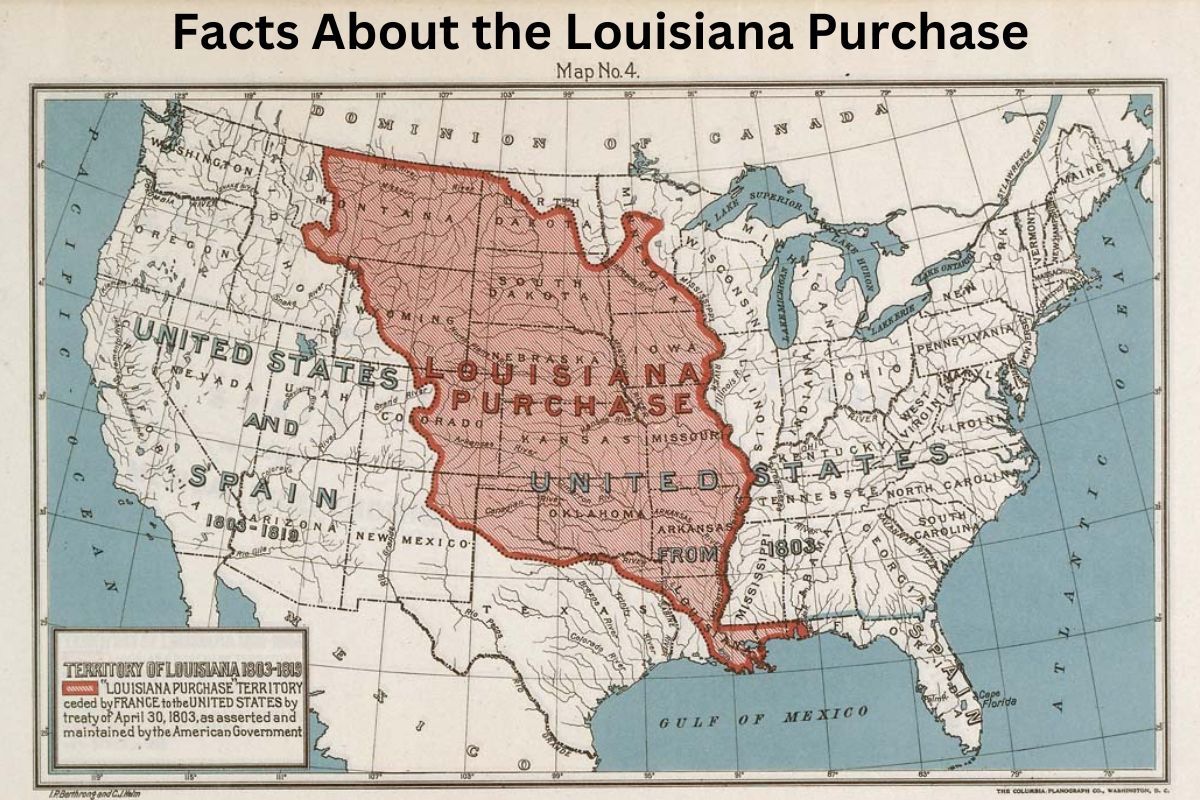
The Louisiana Purchase was a land deal between the United States and France in which the United States paid $15 million for approximately 827,000 square miles of property west of the Mississippi River. Louisiana territory extended from the Mississippi River to the Rocky Mountains and from the Gulf of Mexico to Canada, encompassing all or … Read more

8 Facts About the Mayflower Compact

Facts About the Mayflower Compact

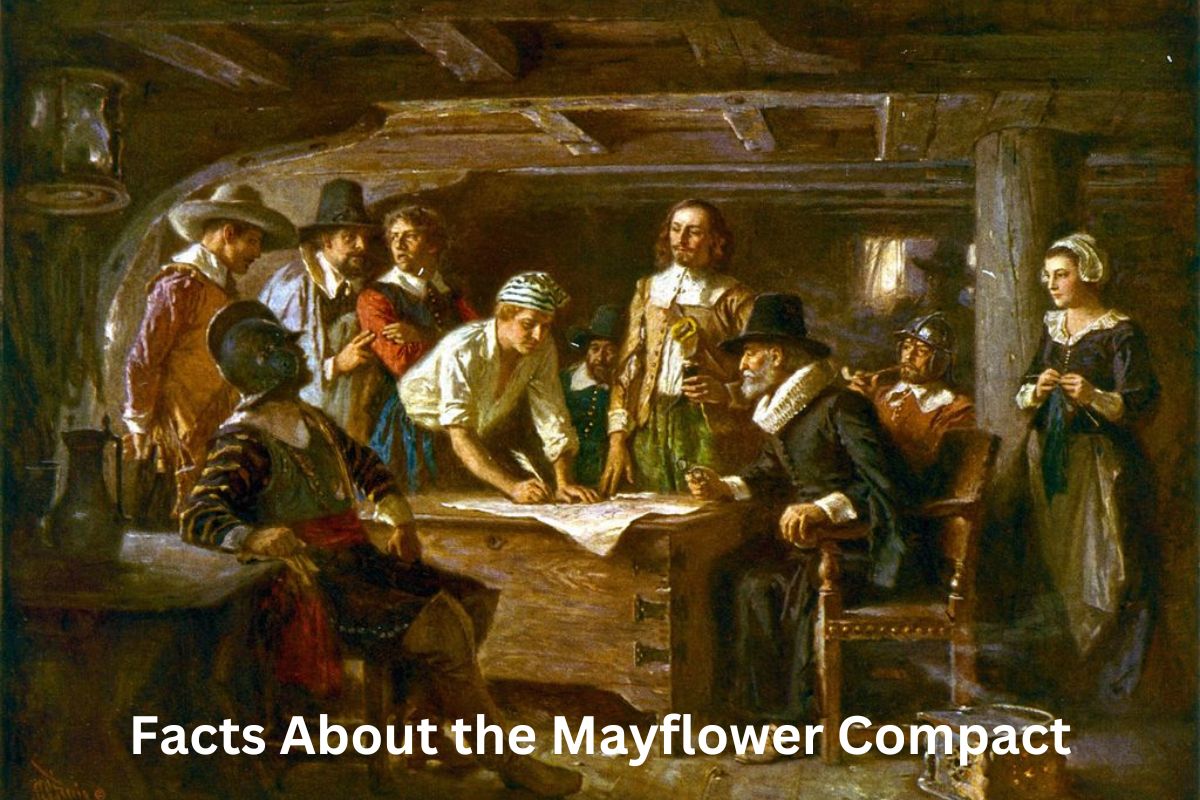
The Mayflower Compact was a formal agreement made in 1620 by the passengers of the Mayflower, a British ship that conveyed Pilgrims from England to the New World. It was developed as a form of administration for the Plymouth Colony, which was founded by the Pilgrims upon their arrival in modern-day Massachusetts. The Mayflower Compact … Read more

10 Facts About the Articles of Confederation

Facts About the Articles of Confederation

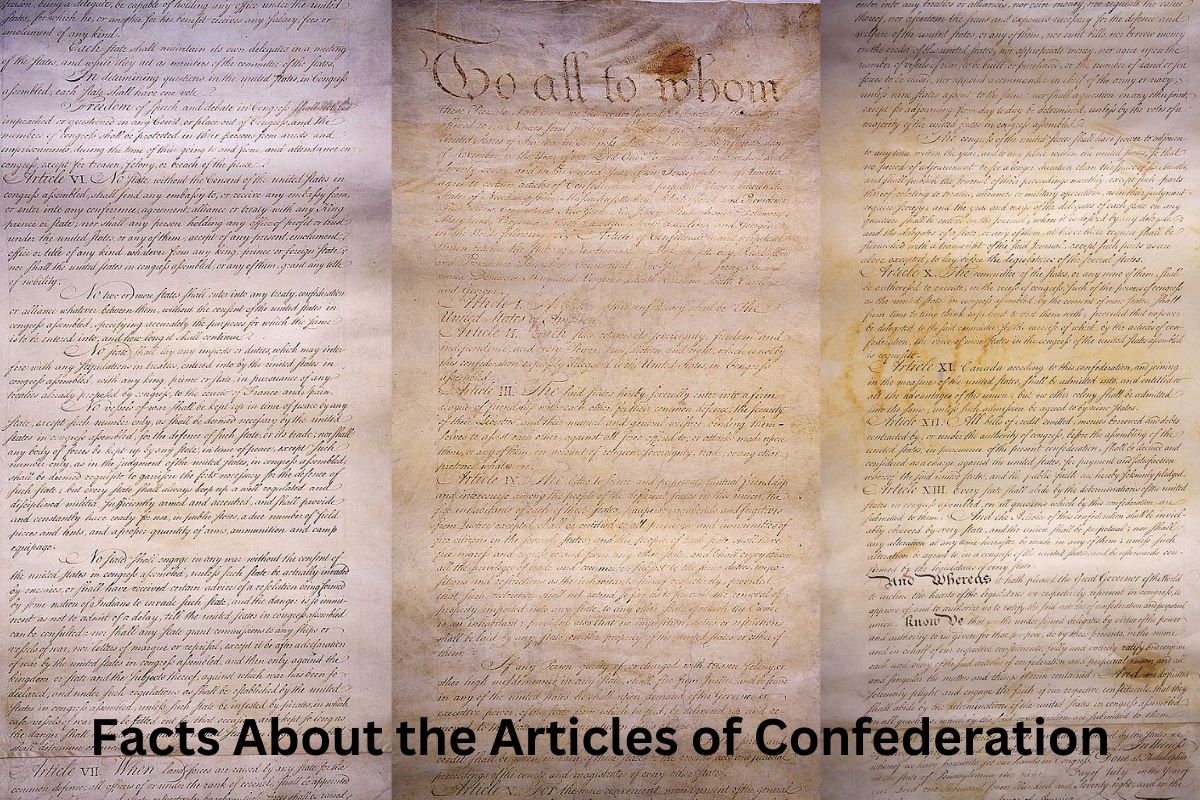
The Articles of Confederation were the first constitution of the United States, accepted by all 13 states in 1781 after being established by the Second Continental Congress in 1777. The Articles of Confederation formed a loose union of states in which the central government had little power and local governments retained the majority of their … Read more

10 Strengths of the Articles of Confederation

Strengths of the Articles of Confederation

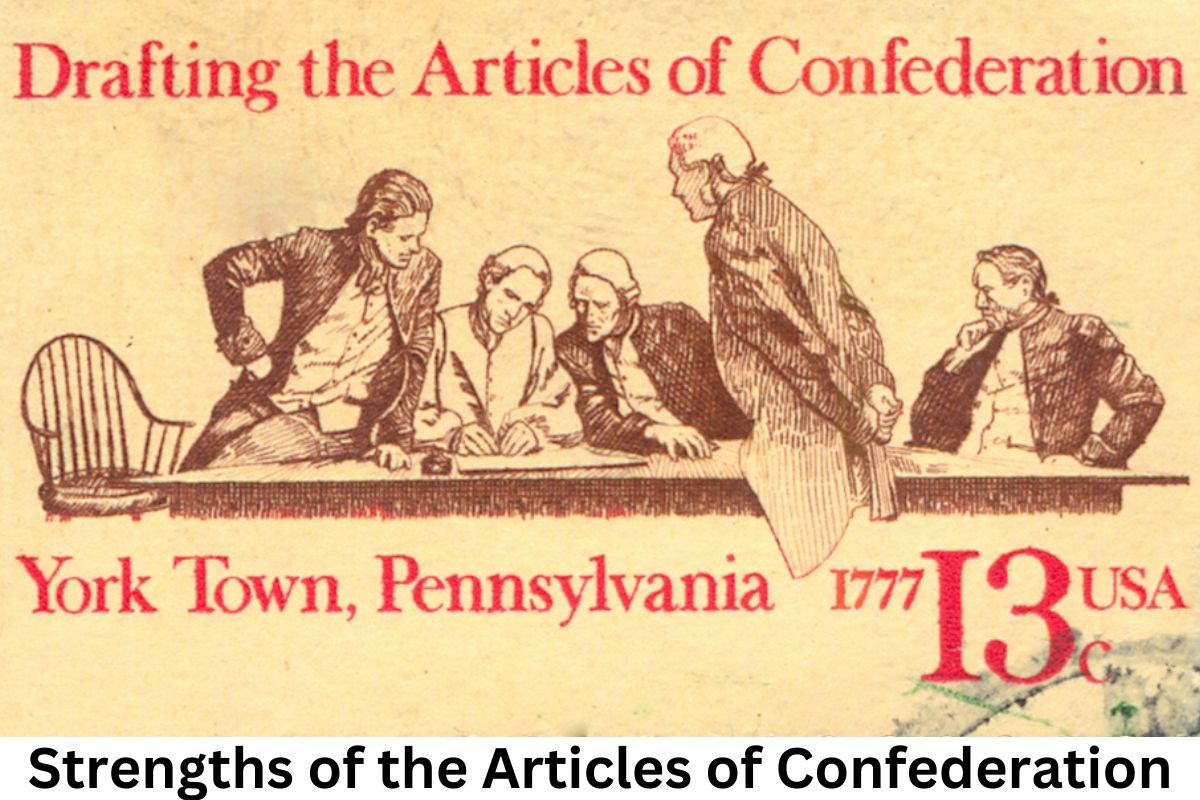
The Articles of Confederation were the United States’ first constitution, passed by the Second Continental Congress in 1777 and approved by all 13 states in 1781. The Articles of Confederation formed a loose alliance of states in which the central government had little power and local states retained the majority of their autonomy. Under the … Read more

10 Problems of the Articles of Confederation

Problems of the Articles of Confederation

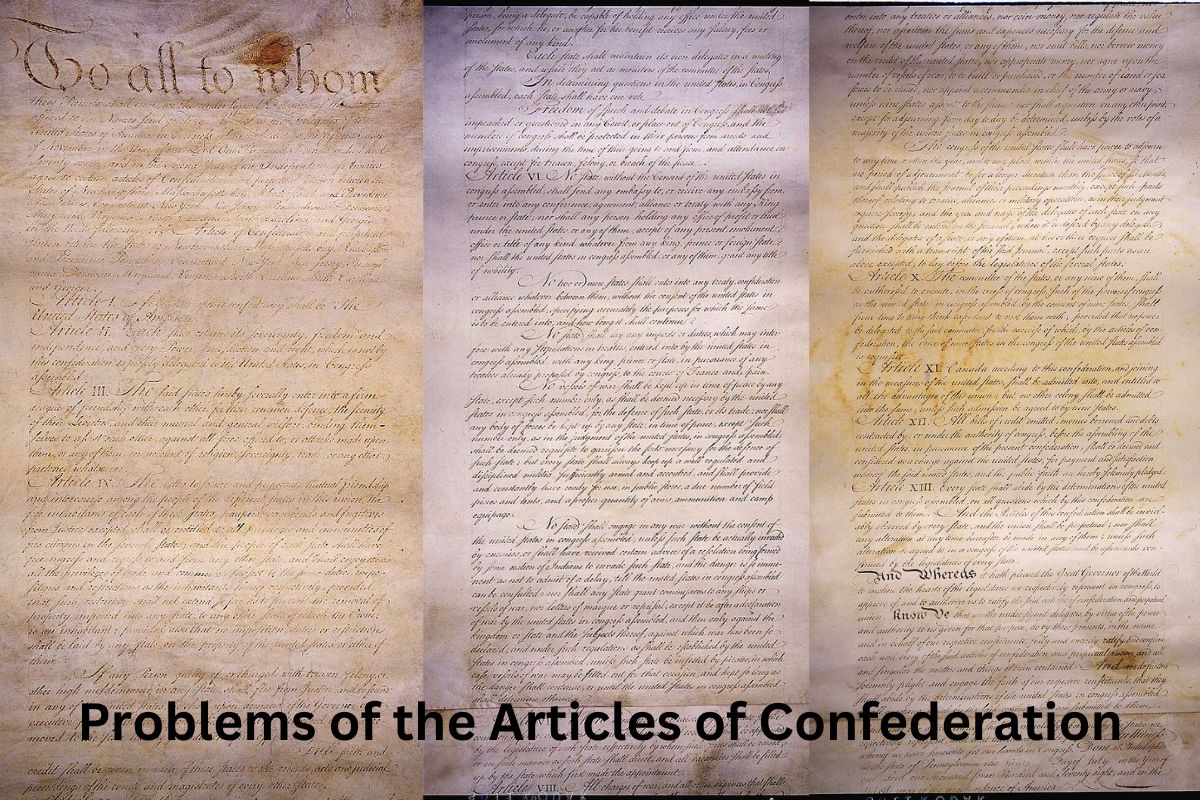
The Articles of Confederation were the first constitution of the United States, adopted by the Second Continental Congress in 1777 and approved by all 13 states in 1781. The Articles of Confederation established a loose union of states in which the central government wielded minimal power and local governments retained the majority of their independence. … Read more

10 Sugar Act Facts

Sugar Act Facts

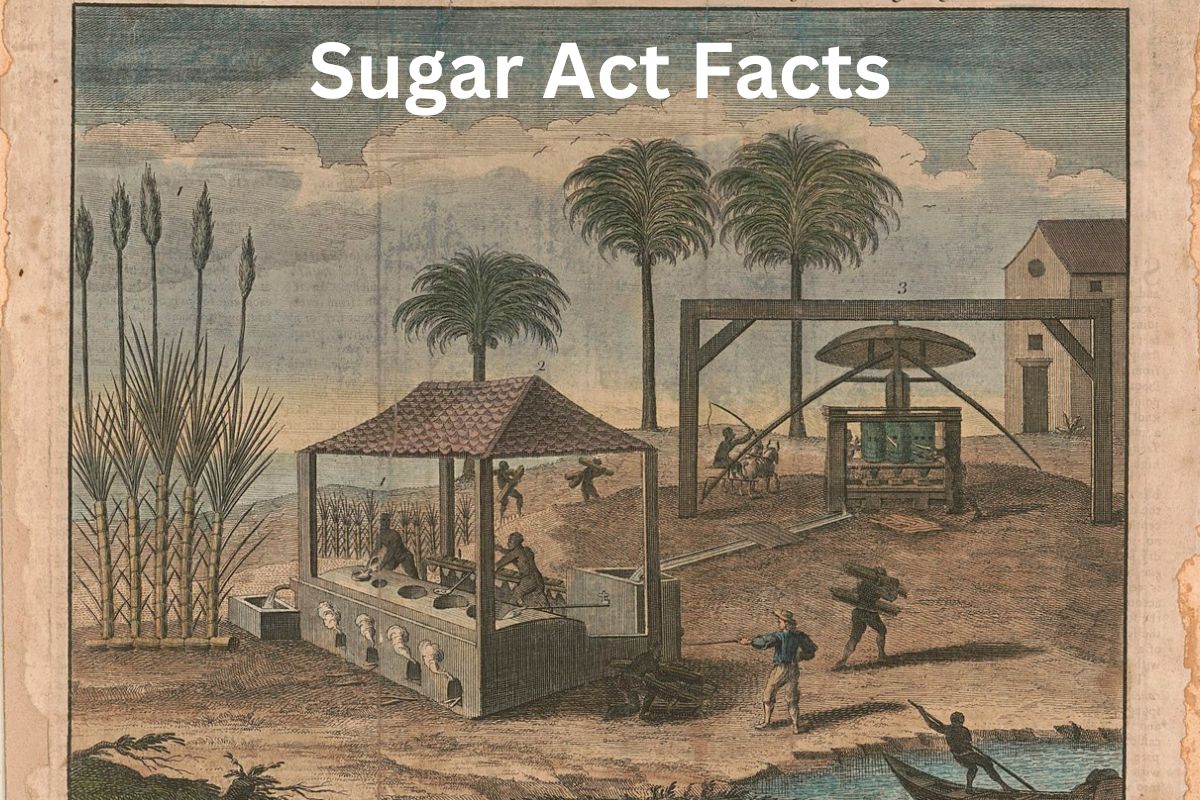
In 1764, the British government issued a statute known as the Sugar Act, which levied taxes on sugar and molasses that were brought into the American colonies from abroad. Both regulating commercial activity in the colonies and increasing money for the British government were among the goals of the statute. The Sugar Act was considered … Read more