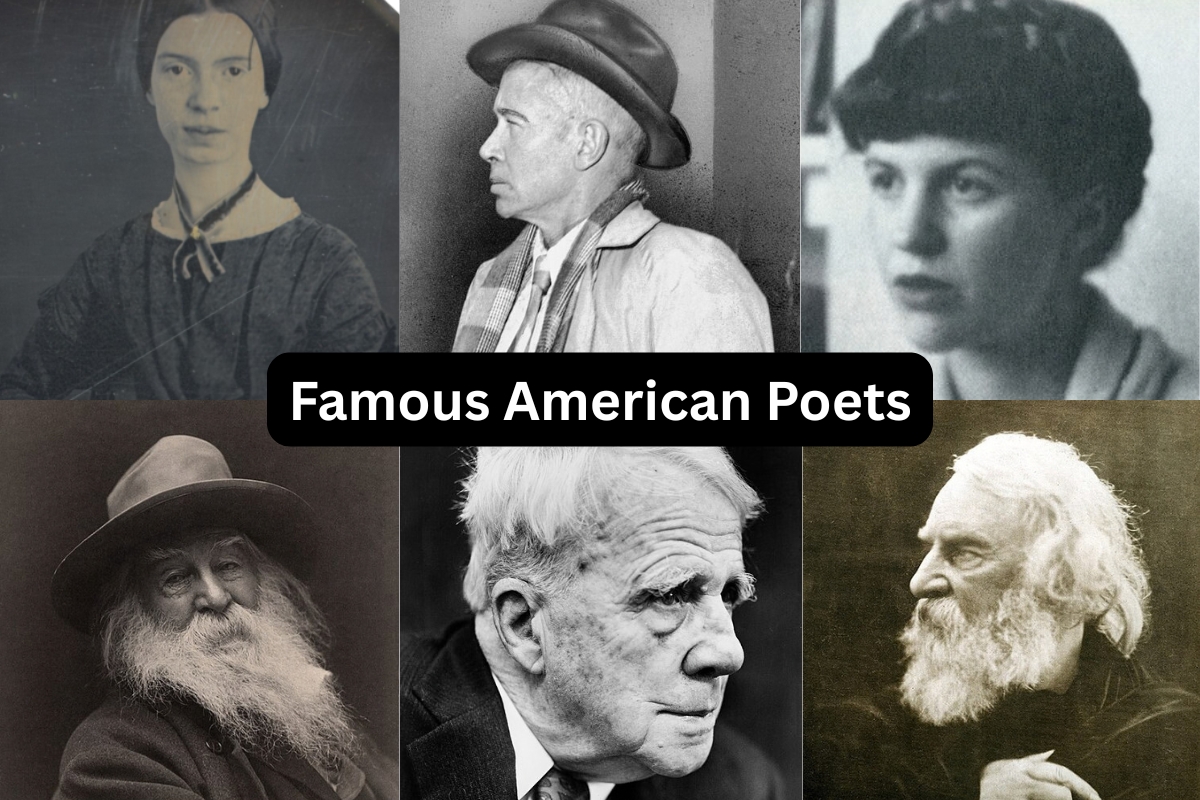
American poetry has played an important role in documenting the country’s history, culture, and changing identity.
From Walt Whitman’s celebration of democracy to Langston Hughes’s portrayal of Black American life, poets have used verse to explore everything from nature and love to war, race, death, and personal freedom.
The following ten poets represent different periods and literary movements in American history. Their work helped shape American literature and continues to be widely read, studied, and quoted today.
Famous American Poets
1. Emily Dickinson (1830–1886)
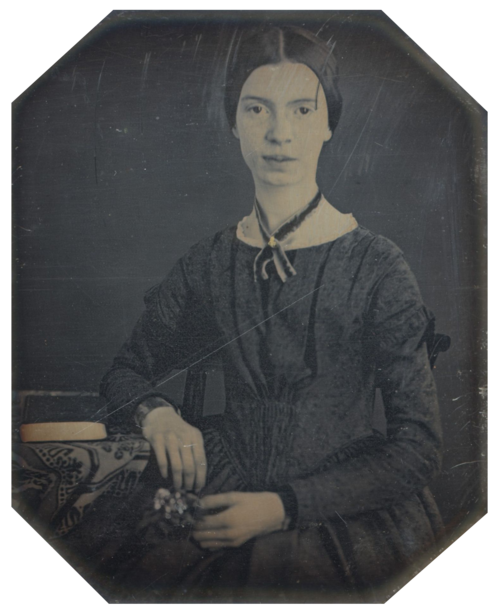
Emily Dickinson is one of the most distinctive figures in American poetry. Born in Amherst, Massachusetts, she spent much of her adult life living privately at her family home. Although she wrote nearly 1,800 poems, only a small number were published during her lifetime.
Dickinson developed an unusual style characterized by short lines, dashes, unconventional capitalization, slant rhyme, and compressed language. Her poems frequently examine death, immortality, nature, faith, loneliness, and the workings of the human mind.
Her best-known poems include Because I could not stop for Death, Hope is the thing with feathers, and I heard a Fly buzz—when I died. After her death in 1886, her poetry gradually reached a much wider audience, establishing her as a central figure in American literature.
2. Walt Whitman (1819–1892)
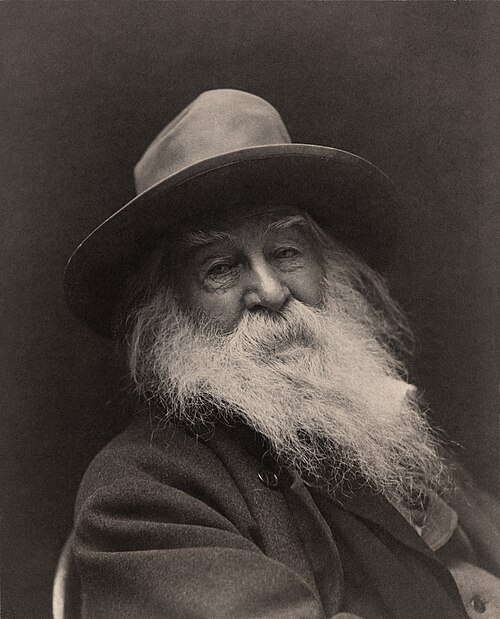
Walt Whitman transformed American poetry through his expansive use of free verse. Born on Long Island, New York, Whitman worked at different times as a printer, journalist, teacher, and newspaper editor before becoming widely recognized as a poet.
His most important work, Leaves of Grass, was first published in 1855 and was repeatedly revised and expanded throughout his life. The collection celebrated the human body, nature, democracy, individual freedom, and the diversity of American society.
Whitman’s experiences during the Civil War also influenced his poetry. He volunteered in military hospitals and later wrote moving poems about the conflict and its consequences. Among his best-known works are Song of Myself, I Hear America Singing, and O Captain! My Captain!
3. Robert Frost (1874–1963)
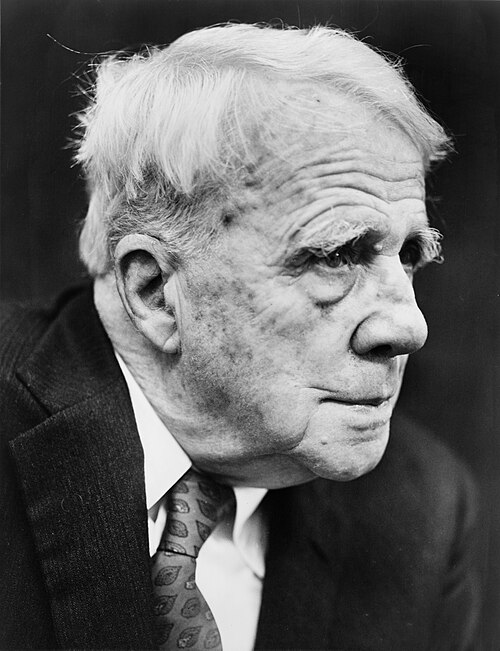
Robert Frost became one of the most recognizable American poets of the 20th century. Although born in San Francisco, he became closely associated with rural New England, whose farms, forests, stone walls, roads, and small communities frequently appear in his poetry.
Frost often used straightforward language and traditional poetic forms, but his poems frequently contain deeper questions about human relationships, choices, isolation, work, and mortality. This combination made his writing accessible while leaving considerable room for interpretation.
His most famous poems include The Road Not Taken, Stopping by Woods on a Snowy Evening, Mending Wall, and Fire and Ice. Frost received four Pulitzer Prizes for poetry and, in 1961, read at the presidential inauguration of John F. Kennedy.
4. Edgar Allan Poe (1809–1849)

Edgar Allan Poe is remembered for both his poetry and his dark, imaginative short stories. Born in Boston, Poe experienced considerable hardship during his life, including financial difficulties and the deaths of people close to him.
Themes of death, grief, lost love, madness, mystery, and the supernatural dominate much of his writing. Poe was especially interested in creating strong emotional effects through rhythm, repetition, sound, and carefully chosen imagery.
His most famous poem, The Raven, was published in 1845 and brought him widespread recognition. Other notable poems include Annabel Lee, The Bells, and To Helen. Poe also made important contributions to detective fiction and Gothic literature, giving him an influence that extends far beyond poetry.
5. Langston Hughes (1901–1967)

Langston Hughes was one of the defining writers of the Harlem Renaissance, the flourishing of Black literature, music, and art centered in Harlem during the 1920s and 1930s.
Hughes wrote about the everyday lives, ambitions, struggles, humor, and culture of Black Americans. Jazz and blues had a particularly strong influence on his poetry, and he frequently incorporated musical rhythms and patterns into his writing.
His best-known poems include The Negro Speaks of Rivers, I, Too, Harlem, and Mother to Son. Hughes also wrote novels, plays, essays, newspaper columns, and short stories. His accessible style and focus on Black American experiences made him one of the most influential literary voices of the 20th century.
6. Maya Angelou (1928–2014)
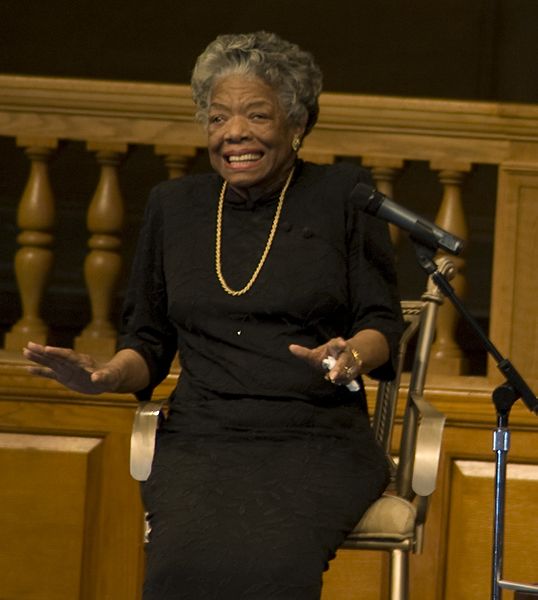
Maya Angelou was an American poet, memoirist, performer, and civil rights activist whose writing explored identity, racism, trauma, resilience, dignity, and personal freedom.
Angelou became internationally famous following the publication of her memoir I Know Why the Caged Bird Sings in 1969. The book described her childhood experiences and became an important work in modern American literature.
Her poetry often emphasizes perseverance and self-respect in the face of hardship. Some of her best-known poems include Still I Rise, Phenomenal Woman, and Caged Bird. In 1993, Angelou read On the Pulse of Morning at President Bill Clinton’s inauguration, bringing her poetry to a huge national audience.
7. Henry Wadsworth Longfellow (1807–1882)
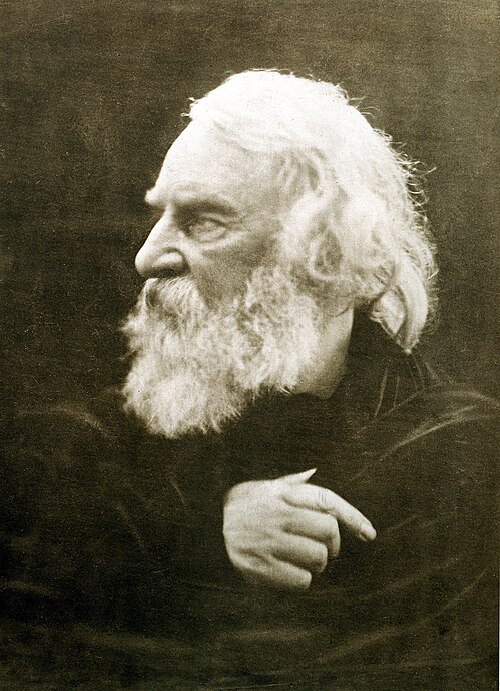
Henry Wadsworth Longfellow was among the most popular American poets of the 19th century. Born in Portland, Maine, he became a professor at Harvard University and developed a reputation for writing narrative poetry that appealed to a broad audience.
Longfellow frequently drew inspiration from history, folklore, religion, and American legends. His clear rhythms and memorable storytelling made his poems especially popular in schools and households.
Among his most famous works are Paul Revere’s Ride, The Song of Hiawatha, Evangeline, and The Courtship of Miles Standish. Although literary tastes changed after his death, Longfellow remains an important figure in the development of a distinctly American literary tradition.
8. Sylvia Plath (1932–1963)
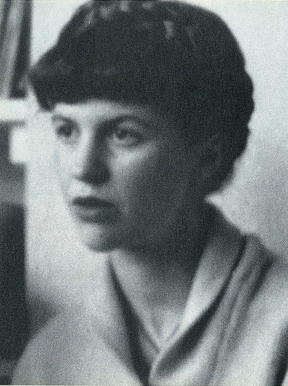
Sylvia Plath became one of the most influential American poets of the postwar era. Born in Boston, Massachusetts, she demonstrated considerable literary ability from a young age and published poems while still a student.
Plath is closely associated with confessional poetry, a style that often draws on intensely personal experiences. Her poems explore subjects including identity, family relationships, gender expectations, anger, death, and psychological suffering.
Much of her reputation rests on the poems collected in Ariel, which was published after her death. Works such as Daddy, Lady Lazarus, Ariel, and Tulips are known for their vivid imagery and emotionally intense language. Her novel The Bell Jar also became an enduring work of American literature.
9. E. E. Cummings (1894–1962)
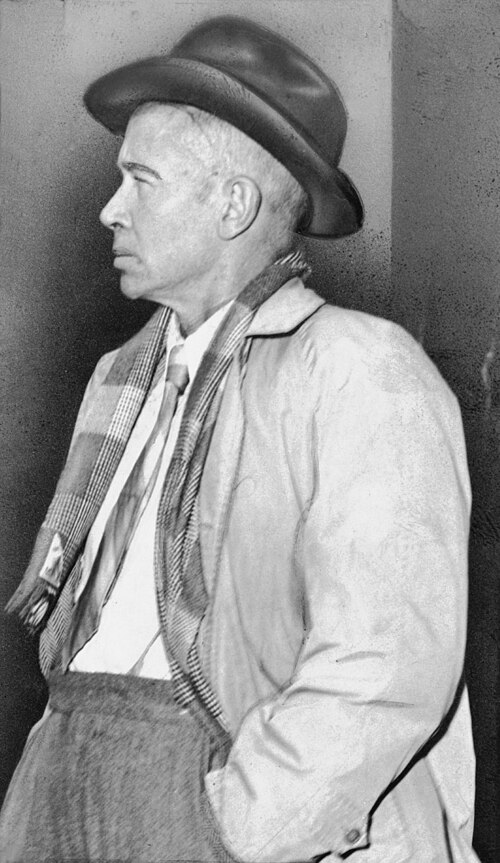
E. E. Cummings became famous for challenging conventional rules of poetry. Born in Cambridge, Massachusetts, he studied at Harvard University and later developed an experimental writing style involving unusual punctuation, spacing, capitalization, grammar, and word arrangement.
Despite the unconventional appearance of many of his poems, Cummings frequently wrote about familiar subjects such as romantic love, nature, spring, individuality, and the importance of resisting conformity.
His visual arrangement of words often became part of the meaning of the poem itself, encouraging readers to pay attention to both language and its placement on the page. His experimental approach helped broaden ideas about what modern poetry could look and sound like.
10. Gwendolyn Brooks (1917–2000)

Gwendolyn Brooks was one of the most important American poets of the 20th century. Although born in Kansas, she grew up in Chicago, a city that became central to her writing.
Brooks frequently portrayed ordinary people and everyday experiences within Black communities in Chicago. Her poetry addressed subjects including poverty, racism, family life, childhood, inequality, and urban life while combining careful observation with inventive poetic forms.
In 1950, Brooks received the Pulitzer Prize for her collection Annie Allen, becoming the first Black writer to receive a Pulitzer Prize. One of her most famous poems, We Real Cool, remains widely taught for its distinctive rhythm and concise depiction of young people living on the margins of society.
The Legacy of American Poetry
These ten poets demonstrate the remarkable variety found within the American poetic tradition. Writers such as Whitman and Dickinson helped reshape 19th-century poetry, while Frost, Hughes, Brooks, Plath, and others expanded its possibilities during the 20th century.
Together, their poems provide snapshots of different moments in American history while addressing universal themes such as love, mortality, identity, freedom, belonging, and the search for meaning. Their continued presence in classrooms, anthologies, and popular culture demonstrates the lasting influence of American poetry.