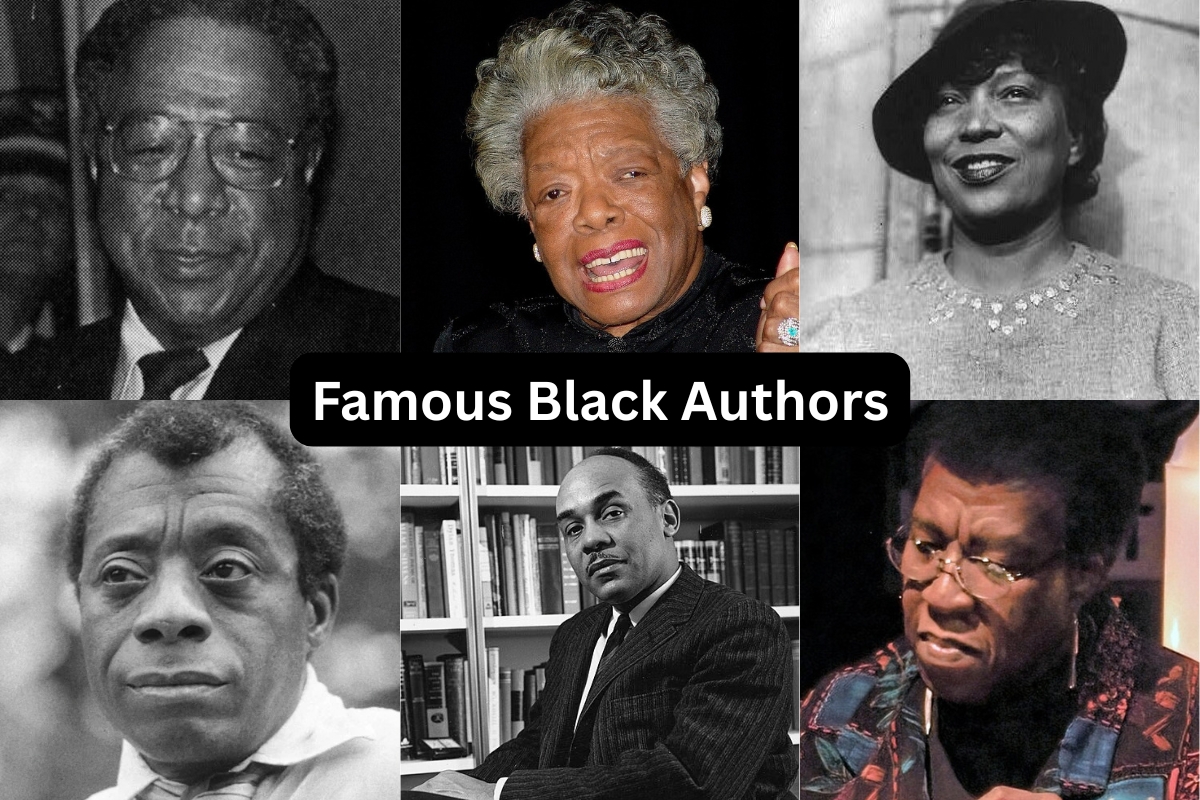
Black authors have played a major role in shaping American literature, documenting experiences that were often overlooked or excluded from mainstream historical narratives.
Through novels, poetry, essays, memoirs, and science fiction, these writers explored subjects including slavery, segregation, racism, identity, family, migration, and the struggle for civil rights.
The following authors are among the most influential, with works that continue to provide valuable insight into both African American history and the wider American experience.
Famous Black Authors
1. Toni Morrison (1931–2019)
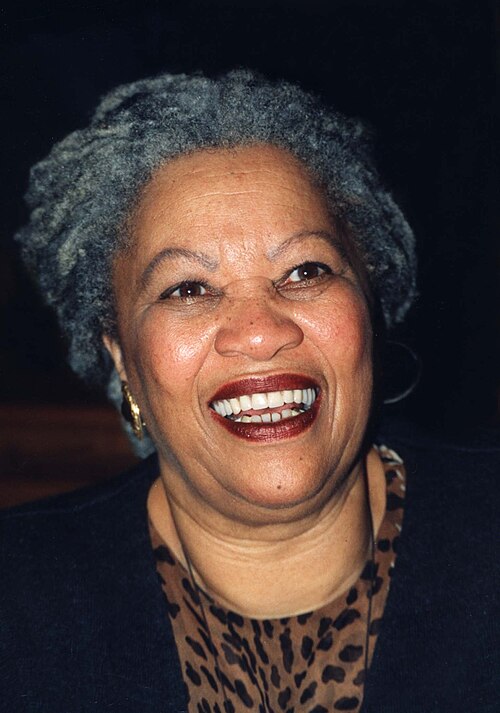
Toni Morrison was one of the most celebrated American writers of the 20th century. Born Chloe Ardelia Wofford in Lorain, Ohio, she studied at Howard University and Cornell University before working as a teacher and later as an editor at Random House.
During her publishing career, she helped bring the work of Black writers and thinkers to a wider audience.
Morrison’s novels frequently examine African American history, memory, family, identity, and the lasting effects of slavery and racism.
Her best-known novel, Beloved (1987), was inspired partly by the historical story of Margaret Garner, an enslaved woman who escaped from Kentucky in the 1850s. The novel won the Pulitzer Prize for Fiction.
Other major works include The Bluest Eye, Song of Solomon, Sula, and Jazz. In 1993, Morrison became the first Black woman to receive the Nobel Prize in Literature, cementing her position as one of the most important figures in modern literature.
2. James Baldwin (1924–1987)
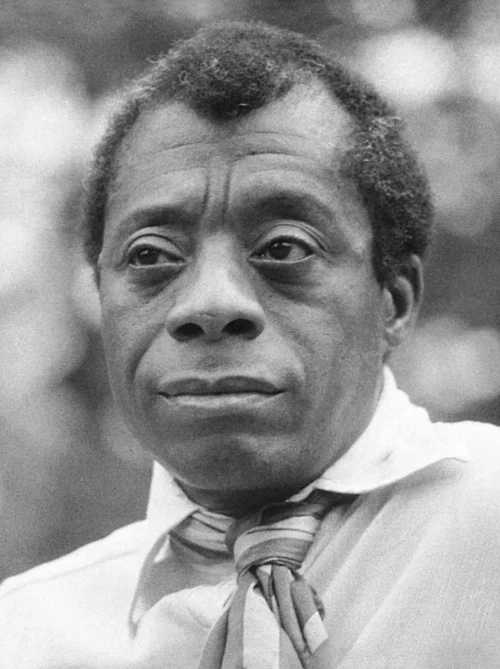
James Baldwin was an American novelist, essayist, playwright, and social critic whose writing examined race, sexuality, religion, and identity. Born in Harlem, New York City, Baldwin grew up during a period when racial segregation and discrimination shaped everyday life across much of the United States.
He became particularly renowned for his essays. His 1955 collection Notes of a Native Son examined racial tensions in America as well as Baldwin’s own experiences. The Fire Next Time, published in 1963 during the Civil Rights Movement, became one of his most influential works.
Baldwin also wrote acclaimed fiction, including Go Tell It on the Mountain and Giovanni’s Room. He spent many years living in France but remained deeply engaged with events in the United States. His essays and public debates made him an important intellectual voice during the Civil Rights era.
3. Zora Neale Hurston (1891–1960)
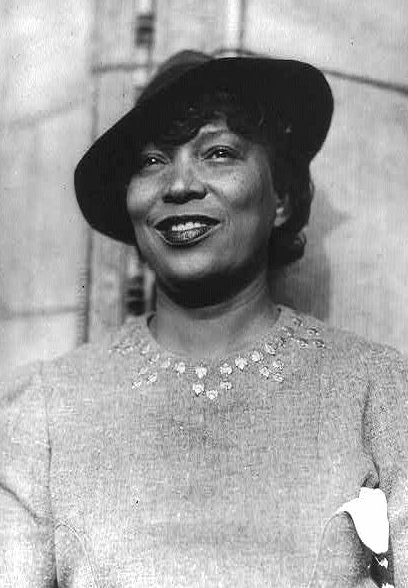
Zora Neale Hurston was a novelist, folklorist, and anthropologist closely associated with the Harlem Renaissance. She grew up in Eatonville, Florida, one of the earliest incorporated Black-majority towns in the United States, and the community had a profound influence on her writing.
Hurston studied anthropology at Barnard College under Franz Boas and traveled throughout the American South and Caribbean collecting African American and Caribbean folklore, stories, songs, and traditions. Her academic interests strongly influenced her fiction.
Her best-known novel, Their Eyes Were Watching God (1937), follows Janie Crawford as she searches for independence and fulfillment in early 20th-century Florida. Although Hurston’s work received limited attention later in her lifetime, interest revived dramatically during the 1970s, and she is now recognized as a major figure in American literature.
4. Langston Hughes (1901–1967)

Langston Hughes was one of the most prominent writers of the Harlem Renaissance, the cultural movement that flourished in Harlem during the 1920s and 1930s. He wrote poetry, novels, short stories, plays, essays, and newspaper columns.
Hughes sought to capture the everyday experiences of Black Americans in his writing. His poetry was strongly influenced by jazz and blues, giving much of his work a distinctive rhythm and conversational style. His famous works include “The Negro Speaks of Rivers,” “I, Too,” and “Harlem.”
Through his writing, Hughes addressed racial inequality while also celebrating Black culture, music, humor, resilience, and community. His accessible style helped his work reach a broad audience, and he became one of the defining literary voices of 20th-century African American culture.
5. Maya Angelou (1928–2014)
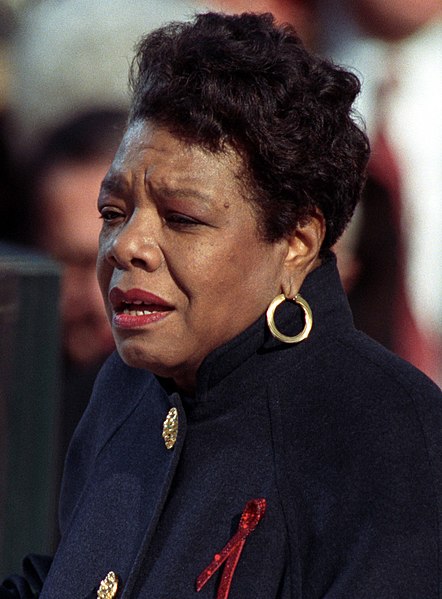
Maya Angelou was a poet, memoirist, performer, and civil rights activist whose writing frequently explored identity, racism, trauma, dignity, and personal resilience. Born Marguerite Annie Johnson in St. Louis, Missouri, she spent part of her childhood in the segregated South.
Angelou achieved international recognition with her 1969 memoir I Know Why the Caged Bird Sings. The book describes her childhood and adolescence and became notable for its candid discussion of racism, abuse, and the process of finding her own voice.
Beyond literature, Angelou participated in the Civil Rights Movement and worked with both Martin Luther King Jr. and Malcolm X. In 1993, she recited her poem “On the Pulse of Morning” at President Bill Clinton’s inauguration, bringing her poetry to a huge international audience.
6. Octavia E. Butler (1947–2006)
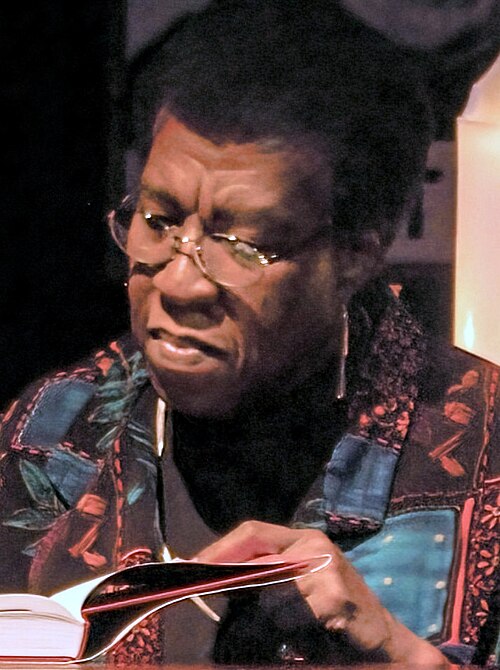
Octavia E. Butler was a pioneering science-fiction author who helped transform a genre in which Black women had historically received little representation. Born in Pasadena, California, Butler began writing at an early age and eventually became one of the most influential figures in speculative fiction.
Her novels used science-fiction settings to examine race, gender, power, hierarchy, survival, and social inequality. Her 1979 novel Kindred follows a Black woman from 20th-century California who repeatedly travels back in time to a slave plantation in antebellum Maryland.
Butler also wrote the Patternist series, the Xenogenesis trilogy, and the novels Parable of the Sower and Parable of the Talents. In 1995, she became the first science-fiction writer to receive a MacArthur Fellowship. Her influence can be seen throughout contemporary science fiction and Afrofuturism.
7. Alice Walker (1944–Present)

Alice Walker is an American novelist, poet, essayist, and activist best known for her novel The Color Purple. Born in Georgia during the era of racial segregation, Walker grew up in a sharecropping family and later attended Spelman College and Sarah Lawrence College.
Her writing frequently focuses on the lives of Black women, particularly in the American South, while exploring racism, sexism, family relationships, violence, and personal independence. The Color Purple, published in 1982, tells the story of Celie, a Black woman living in Georgia during the early 20th century.
The novel won both the Pulitzer Prize for Fiction and the National Book Award and was later adapted into stage and screen productions. Walker also played an important role in reviving interest in Zora Neale Hurston, helping introduce Hurston’s work to new generations of readers.
8. Richard Wright (1908–1960)
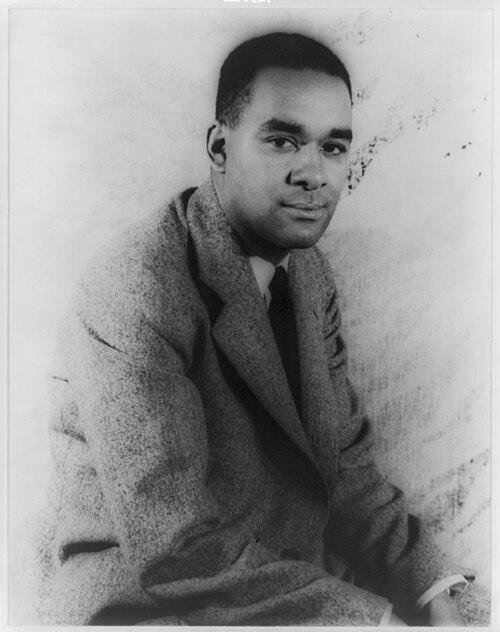
Richard Wright was an influential novelist and essayist whose writing provided a stark portrayal of racism and poverty in the United States. Born near Natchez, Mississippi, Wright grew up under the racial segregation of the Jim Crow South before eventually moving north.
His breakthrough novel, Native Son (1940), tells the story of Bigger Thomas, a young Black man living in poverty on Chicago’s South Side. The novel confronted readers with the social and psychological consequences of racial discrimination and became both influential and controversial.
Wright also wrote Black Boy (1945), an autobiographical account of his childhood and early adulthood. Like James Baldwin, Wright later moved to France. His writing became an important influence on subsequent generations of Black authors and contributed to debates about race in mid-20th-century America.
9. Alex Haley (1921–1992)
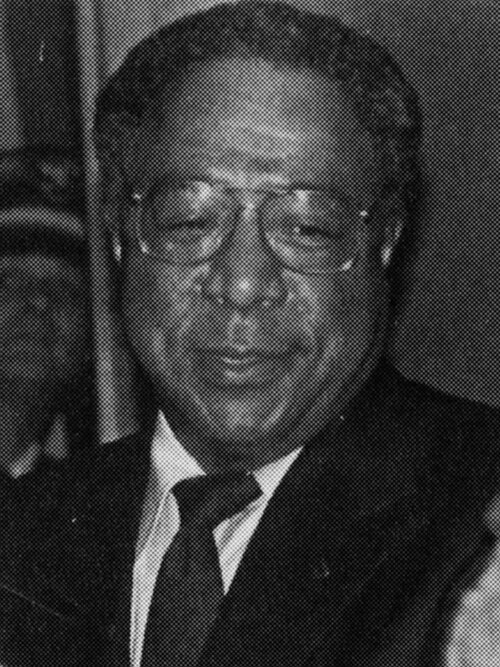
Alex Haley was an American writer whose work helped generate widespread public interest in African American genealogy and the history of slavery. He first became widely known through The Autobiography of Malcolm X, published in 1965 and based on extensive interviews conducted with Malcolm X.
Haley achieved even greater fame with Roots: The Saga of an American Family in 1976. The book traces the story of an African man named Kunta Kinte and generations of his descendants through slavery and into the post-Civil War period.
Roots became a major cultural phenomenon, particularly after its adaptation into a television miniseries in 1977. The book also generated controversy over aspects of its historical accuracy and authorship, but its enormous popularity encouraged many Americans to investigate their own family histories and brought the history of slavery into mainstream popular culture.
10. Ralph Ellison (1913–1994)
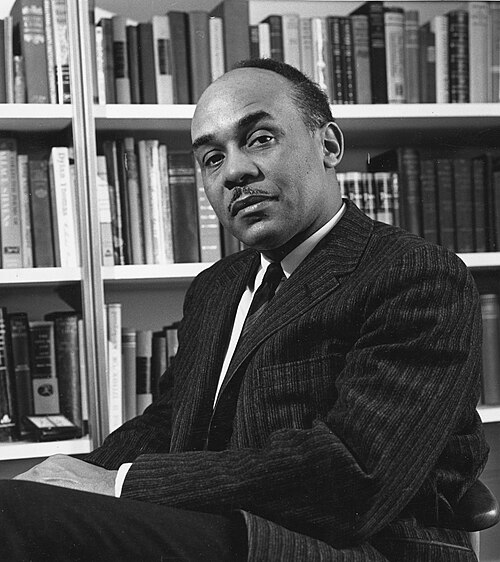
Ralph Ellison was an American novelist, essayist, and critic best known for his groundbreaking 1952 novel Invisible Man. Born in Oklahoma City, Ellison studied music at the Tuskegee Institute before moving to New York City, where he became involved in the city’s literary community.
Invisible Man follows an unnamed Black narrator as he struggles with racism, identity, ideology, and his place within American society. Its title refers not to literal invisibility but to the narrator’s sense that society refuses to recognize him as a complete individual.
The novel won the National Book Award for Fiction in 1953 and became a major work of 20th-century American literature. Although Ellison never published another completed novel during his lifetime, he continued writing influential essays on literature, music, race, and American culture. His work remains important for understanding the complexities of race and identity in modern American history.