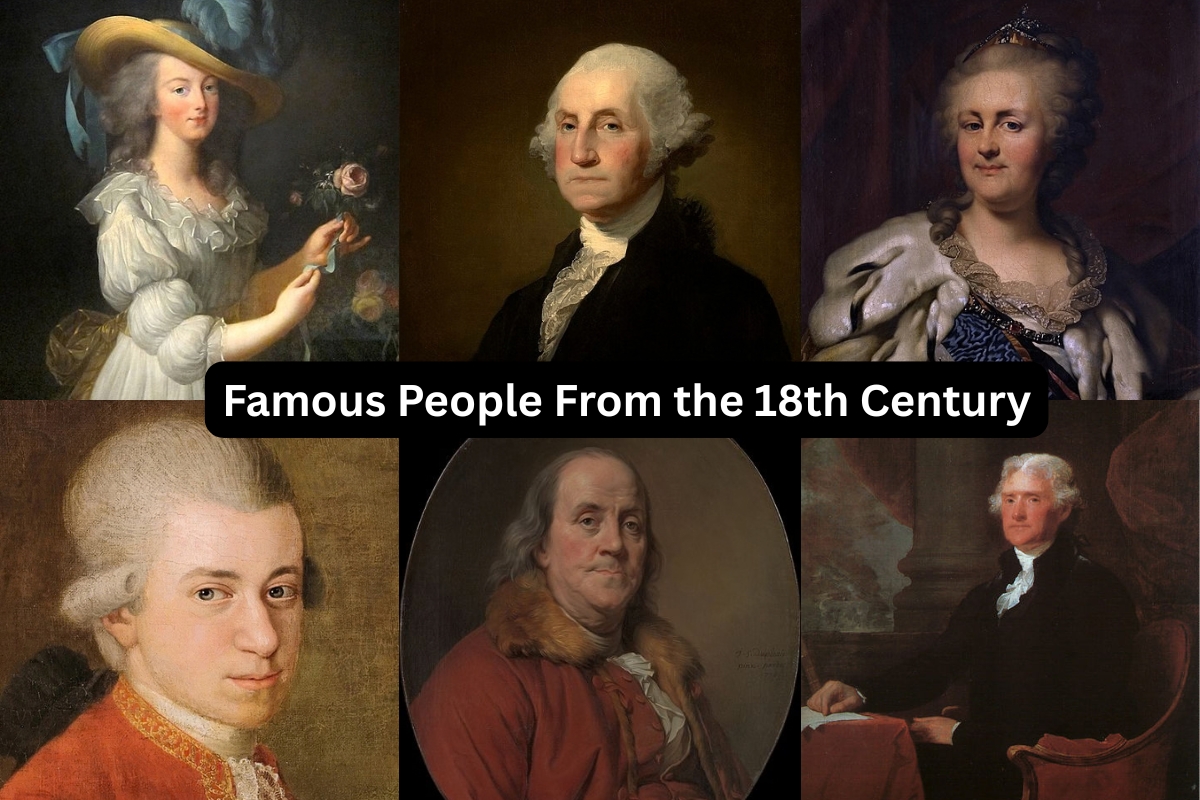
The 18th century was a period of enormous political, scientific, and cultural change. Enlightenment thinkers challenged traditional ideas about government and society, revolutions transformed France and North America, and technological developments helped lay the foundations for the Industrial Revolution.
From George Washington and Benjamin Franklin to Catherine the Great, Mozart, and James Watt, many of the century’s best-known figures influenced events far beyond their own lifetimes. Here are 13 famous people who helped shape the history of the 1700s.
Famous People From the 1700s
1. George Washington (1732–1799)
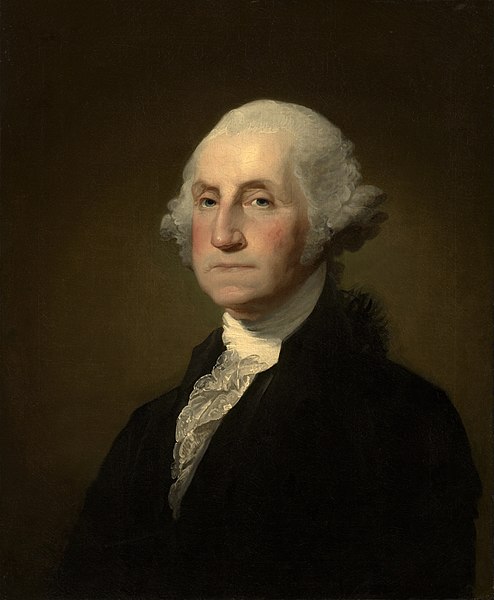
George Washington was an American military commander, statesman, and one of the central figures in the founding of the United States. Born in Virginia, he gained military experience during the French and Indian War before becoming involved in the growing dispute between Britain and its North American colonies.
When the American Revolutionary War began, the Second Continental Congress appointed Washington commander in chief of the Continental Army in 1775. Despite severe shortages and several military defeats, he kept the army together and ultimately led the American cause to victory. The British surrender at Yorktown in 1781 effectively ended major fighting.
Washington later presided over the Constitutional Convention of 1787 and became the first president of the United States in 1789. Serving two terms, he helped establish many traditions of the presidency before voluntarily leaving office in 1797.
2. Benjamin Franklin (1706–1790)
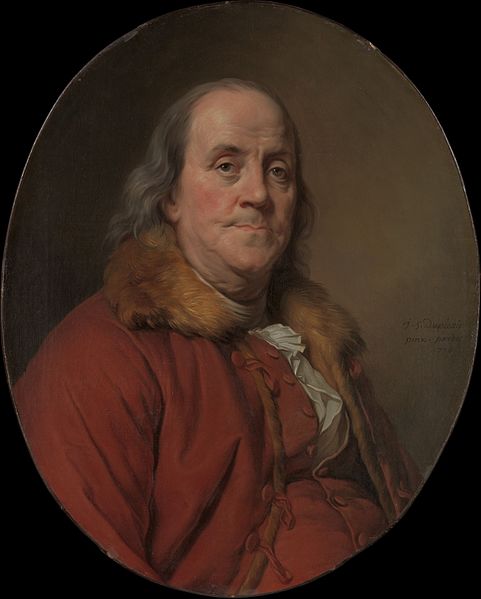
Benjamin Franklin was one of the most versatile figures of the 18th century. During his long career, he worked as a printer, writer, scientist, inventor, diplomat, and political leader.
Franklin became internationally famous for his experiments with electricity. His work helped demonstrate the connection between lightning and electricity, and he developed the lightning rod as a practical method of protecting buildings. He also invented or developed devices including the Franklin stove and bifocal glasses.
Politics became increasingly important during the later part of his life. Franklin helped draft the Declaration of Independence and served as an American diplomat in France, where he played an important role in securing French support during the American Revolution. He was also a delegate to the Constitutional Convention.
3. Marie Antoinette (1755–1793)
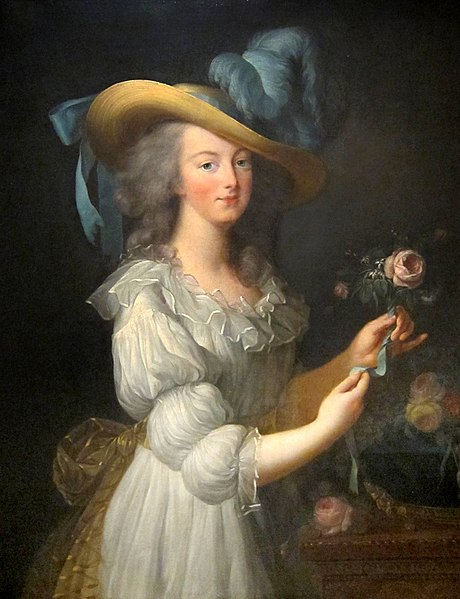
Marie Antoinette was the last queen of France before the French Revolution abolished the monarchy. Born an Austrian archduchess, she married the future Louis XVI in 1770 and became queen when he inherited the throne in 1774.
The queen became the subject of intense public criticism as France experienced mounting financial and political problems. Her spending and court lifestyle were frequently attacked in pamphlets, although many accusations and stories about her were exaggerated or fabricated. The famous statement “Let them eat cake” has no reliable evidence connecting it to Marie Antoinette.
The French Revolution began in 1789, and the royal family’s position became increasingly dangerous. The monarchy was abolished in 1792, and Marie Antoinette was tried by the Revolutionary Tribunal the following year. She was convicted and executed by guillotine on October 16, 1793.
4. Voltaire (1694–1778)
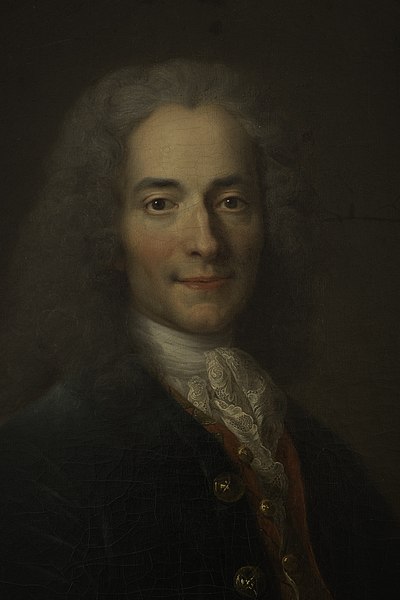
Voltaire was a French writer, historian, and philosopher who became one of the leading figures of the Enlightenment. Born François-Marie Arouet, he adopted the name Voltaire early in his literary career.
Through essays, plays, histories, letters, and works of fiction, Voltaire criticized religious intolerance, censorship, arbitrary authority, and abuses of power. His willingness to challenge influential institutions repeatedly brought him into conflict with French authorities, and he spent periods living outside France.
His best-known work, Candide, published in 1759, used satire to criticize philosophical optimism and aspects of European society. Voltaire’s writings contributed to wider Enlightenment debates about freedom of thought, religious toleration, justice, and political authority.
5. Catherine the Great (1729–1796)
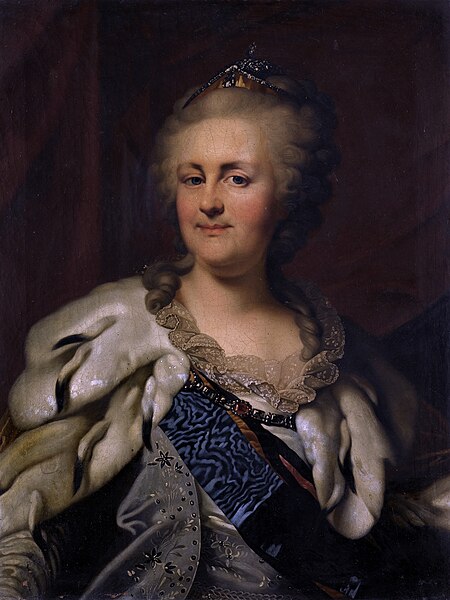
Catherine the Great was Empress of Russia from 1762 until her death in 1796. Born Sophie of Anhalt-Zerbst in Prussia, she traveled to Russia as a teenager and married the future Emperor Peter III.
Peter’s reign was brief, and Catherine came to power following a coup in 1762. During her 34-year reign, Russia expanded significantly, particularly toward the Black Sea and into territories acquired through the partitions of Poland.
Catherine corresponded with Enlightenment thinkers and supported education, literature, and the arts, while also ruling as an autocrat and relying heavily on the nobility. Her reign therefore combined cultural modernization and imperial expansion with the continuation—and expansion—of serfdom. She remains one of the most prominent rulers in Russian history.
6. Wolfgang Amadeus Mozart (1756–1791)
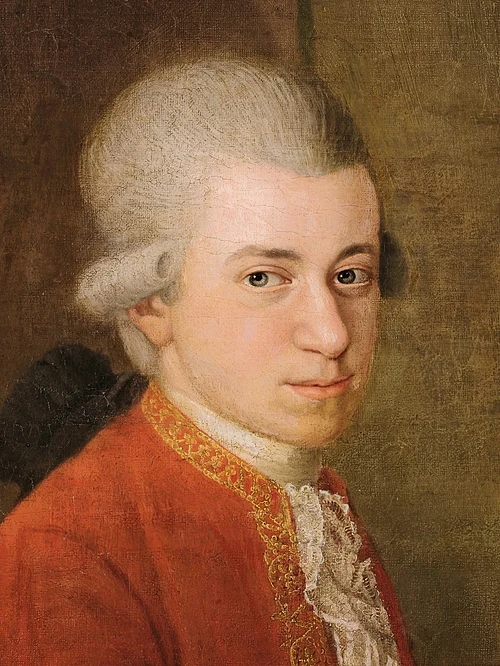
Wolfgang Amadeus Mozart was an Austrian composer whose extraordinary musical ability became apparent during childhood. Born in Salzburg, he began composing at an early age and toured European courts with his family as a child prodigy.
Mozart eventually settled in Vienna, where he produced music across an enormous range of forms. His compositions included symphonies, piano concertos, chamber music, religious works, and operas.
Among his most famous compositions are The Marriage of Figaro, Don Giovanni, The Magic Flute, and his unfinished Requiem. Mozart died in 1791 at just 35 years old, but his enormous body of work secured his place as one of the central figures of Western classical music.
7. Thomas Jefferson (1743–1826)
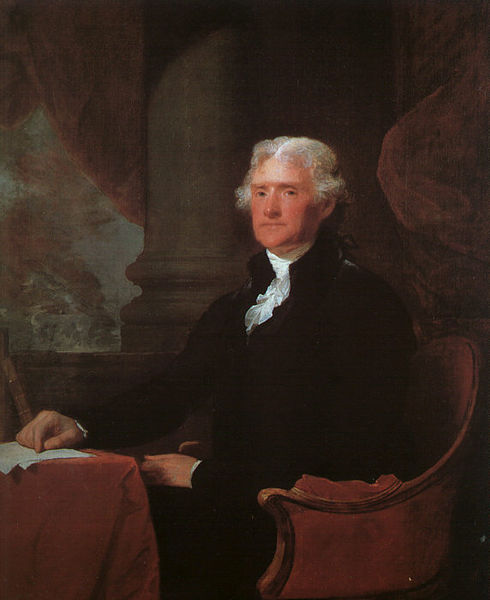
Thomas Jefferson was an American statesman, diplomat, political thinker, and later the third president of the United States. His most famous contribution during the 18th century was serving as the principal author of the Declaration of Independence in 1776.
Jefferson was strongly influenced by Enlightenment ideas concerning natural rights and representative government. His declaration’s language concerning equality and the rights to “life, liberty and the pursuit of happiness” became highly influential in American political culture.
Also Read: People From the 19th Century
Jefferson’s legacy also contains major contradictions. Although he wrote extensively about liberty, he enslaved hundreds of people during his lifetime. Historical evidence also shows that he fathered children with Sally Hemings, an enslaved woman at Monticello. These realities are central to modern historical assessments of Jefferson and the contradictions of the early United States.
8. James Cook (1728–1779)
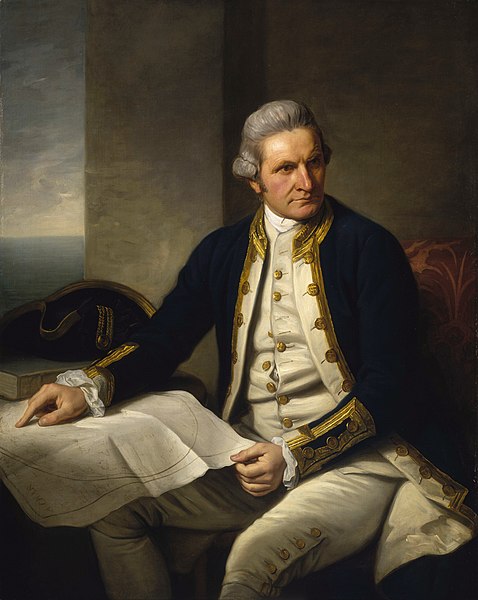
James Cook was a British naval officer, navigator, cartographer, and explorer best known for three major voyages through the Pacific Ocean. His expeditions greatly expanded European geographical knowledge of the Pacific region.
During his first voyage, Cook observed the transit of Venus from Tahiti before exploring and mapping New Zealand and the eastern coast of Australia. Later voyages took him through large areas of the Pacific and into the waters surrounding Antarctica and the North Pacific.
Cook’s voyages produced detailed maps and scientific observations, but they were also part of the wider history of European imperial expansion. Contact with Europeans had profound and often destructive consequences for Indigenous peoples through disease, violence, dispossession, and later colonization. Cook was killed in Hawaiʻi in 1779 during a confrontation at Kealakekua Bay.
9. Jean-Jacques Rousseau (1712–1778)
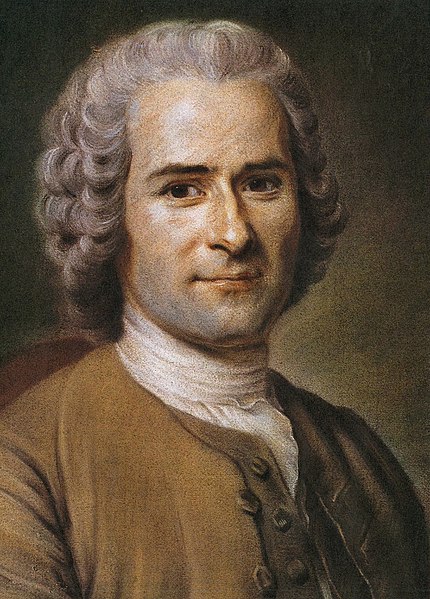
Jean-Jacques Rousseau was a Genevan philosopher, writer, and political thinker whose ideas became highly influential during the Enlightenment and the revolutionary era that followed.
One of his most important works was The Social Contract, published in 1762. Rousseau argued that legitimate political authority should ultimately be based on the collective will of the people rather than simply inherited monarchy.
He also wrote extensively about education, inequality, morality, and human nature. His ideas influenced later discussions about democracy and popular sovereignty and were read by figures associated with the French Revolution, although historians debate the precise extent and nature of that influence.
10. Adam Smith (1723–1790)
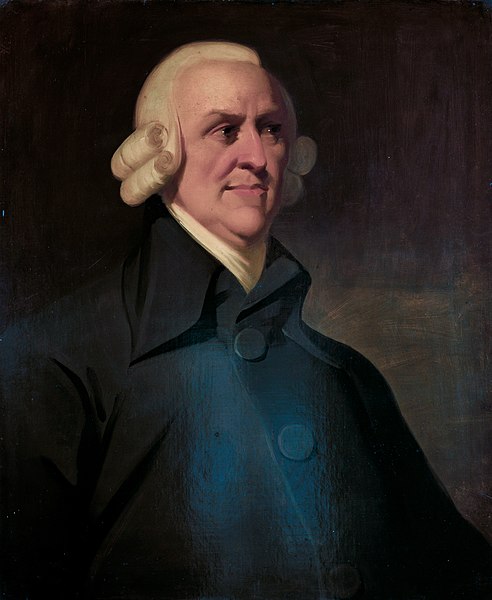
Adam Smith was a Scottish philosopher and economist who became one of the most influential thinkers of the Scottish Enlightenment. He taught moral philosophy at the University of Glasgow and wrote about ethics, society, commerce, and economic development.
In 1776, Smith published An Inquiry into the Nature and Causes of the Wealth of Nations, commonly known as The Wealth of Nations. The book examined specialization, division of labor, markets, trade, and the forces shaping economic growth.
Smith argued that individuals pursuing their own economic interests could, under certain conditions, contribute to wider economic activity through market mechanisms.
However, his work was more nuanced than the idea that markets should operate without any government involvement. His writings became foundational to the development of modern economics.
11. Louis XVI (1754–1793)
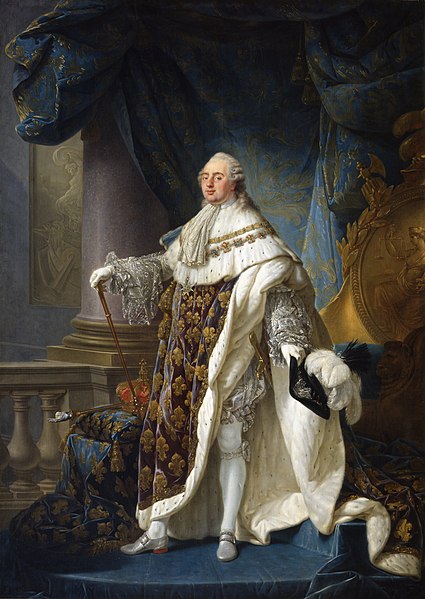
Louis XVI became King of France in 1774, inheriting a monarchy facing growing financial difficulties. His reign coincided with one of the most important political transformations in European history: the French Revolution.
France’s financial problems were worsened by expensive wars, including its involvement in the American Revolution. Attempts to reform taxation encountered political resistance, eventually leading Louis to summon the Estates-General in 1789.
The resulting political crisis quickly developed into revolution. Louis and his family unsuccessfully attempted to escape France during the Flight to Varennes in 1791, severely damaging remaining confidence in the king. The monarchy was abolished in 1792, and Louis was convicted of treason and executed by guillotine on January 21, 1793.
12. Frederick the Great (1712–1786)
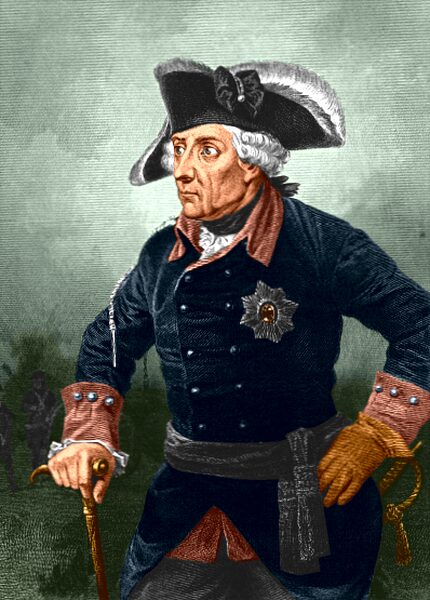
Frederick II, better known as Frederick the Great, ruled Prussia from 1740 until 1786. He transformed Prussia into one of Europe’s leading military powers and became one of the best-known monarchs of the 18th century.
Frederick’s reign was dominated by military conflict, particularly the War of the Austrian Succession and the Seven Years’ War. His seizure and retention of Silesia significantly strengthened Prussia and altered the balance of power in Central Europe.
Frederick was also associated with the concept of enlightened absolutism. He promoted some religious tolerance, encouraged education and agriculture, and maintained an interest in philosophy, literature, and music. Nevertheless, political power remained firmly concentrated in the monarchy.
13. James Watt (1736–1819)

James Watt was a Scottish engineer, inventor, and instrument maker whose improvements to the steam engine made him an important figure in the history of the Industrial Revolution.
Earlier steam engines were already being used, particularly to pump water from mines. Watt dramatically improved their efficiency, most famously by developing a separate condenser that reduced wasted energy.
Working with manufacturer Matthew Boulton, Watt helped turn the steam engine into a practical source of power for a wider range of industries. Improved steam technology contributed to the mechanization of manufacturing and eventually influenced transportation and industrial development around the world.
Watt’s influence was so significant that the scientific unit of power, the watt, was later named in his honor.