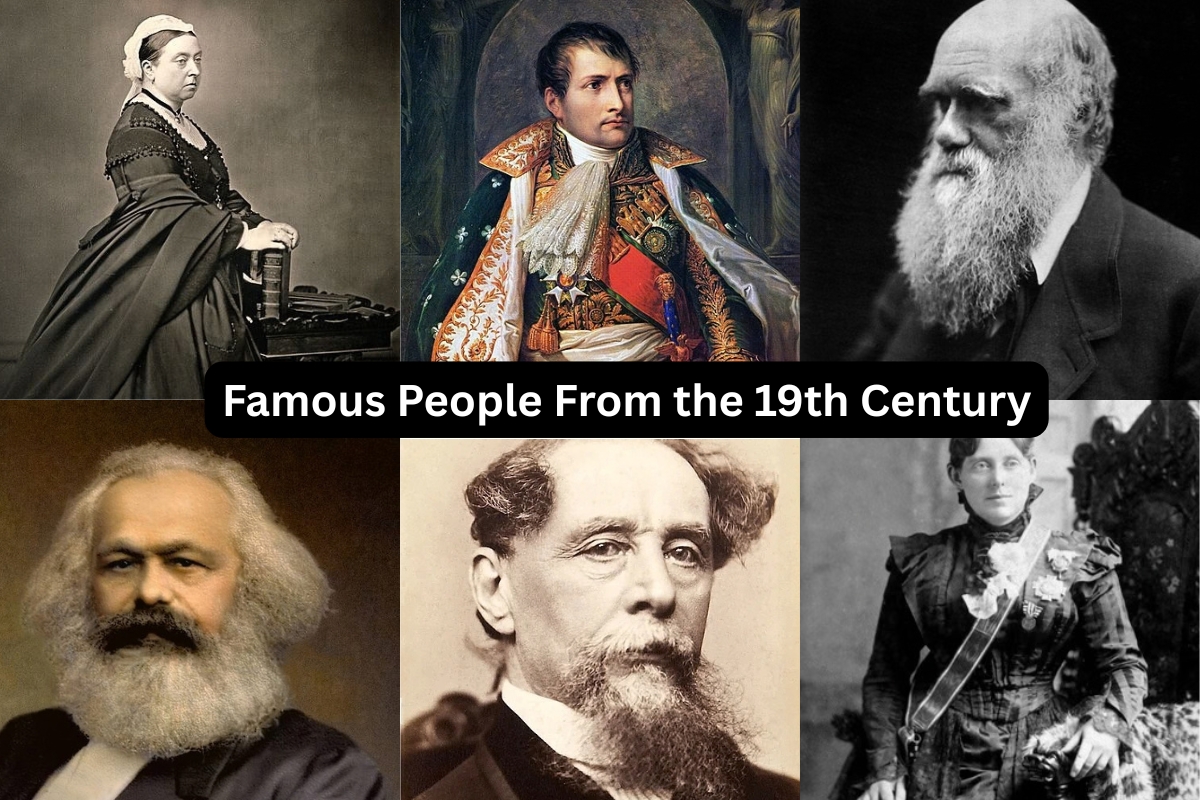
The 19th century was an era of extraordinary change. Revolutions transformed governments, industrialization reshaped cities and economies, scientific discoveries challenged traditional ideas, and new technologies changed how people traveled and communicated.
Many of the century’s most famous figures became associated with these transformations.
From Napoleon Bonaparte and Abraham Lincoln to Charles Darwin, Florence Nightingale, and Vincent van Gogh, the following individuals left lasting marks on politics, science, literature, technology, social reform, and the arts.
Famous People From the 1800s
1. Napoleon Bonaparte (1769–1821)
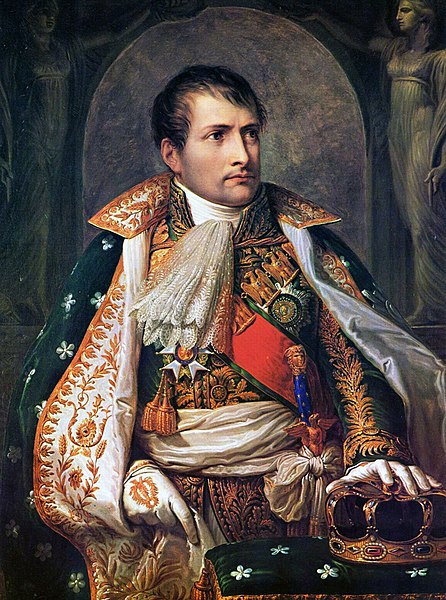
Napoleon Bonaparte was a French military commander and political leader who dominated European affairs during the opening years of the 19th century. Rising to prominence during the French Revolution, he seized political power in 1799 and declared himself Emperor of the French in 1804.
Napoleon’s armies won a series of major victories and established French dominance across much of continental Europe.
Also Read: People From the 18th Century
His campaigns dramatically altered European borders and political relationships, although his disastrous invasion of Russia in 1812 contributed to his eventual downfall. After briefly returning to power in 1815, he was defeated at the Battle of Waterloo and exiled to Saint Helena.
Beyond warfare, Napoleon introduced important administrative and legal reforms. The Napoleonic Code became particularly influential and helped shape legal systems in France and numerous other countries.
2. Queen Victoria (1819–1901)
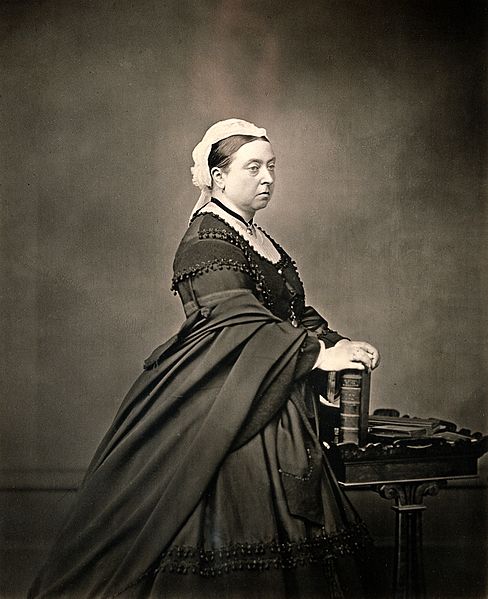
Queen Victoria became queen of the United Kingdom in 1837 at just 18 years old. Her reign lasted more than 63 years and became so closely associated with the 19th century that the period is commonly known as the Victorian era.
Britain experienced enormous industrial, technological, and economic change during Victoria’s reign. Railways expanded across the country, cities grew rapidly, and the British Empire reached an unprecedented scale. The period also produced major developments in science, engineering, literature, and manufacturing.
Victoria’s direct political power was constrained by Britain’s constitutional system, but she became an important symbol of the monarchy and empire.
After the death of her husband, Prince Albert, in 1861, she withdrew from public appearances for several years before eventually returning to a more visible public role.
3. Abraham Lincoln (1809–1865)
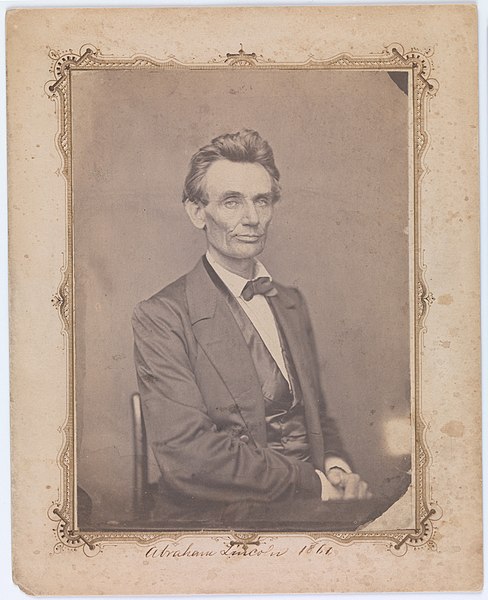
Abraham Lincoln was the 16th president of the United States and one of the central figures of 19th-century American history. Born in Kentucky and largely self-educated, he worked as a lawyer before entering national politics.
Lincoln was elected president in 1860 amid an escalating national conflict over slavery and its expansion. Several Southern states subsequently seceded, and the American Civil War began in 1861. Lincoln led the Union throughout most of the conflict.
In 1863, his Emancipation Proclamation declared enslaved people in areas under Confederate control to be free and made emancipation an explicit Union war aim.
Lincoln also supported the proposed 13th Amendment, which abolished slavery throughout the United States. Just days after the Confederate surrender at Appomattox in April 1865, Lincoln was assassinated by John Wilkes Booth.
4. Charles Darwin (1809–1882)
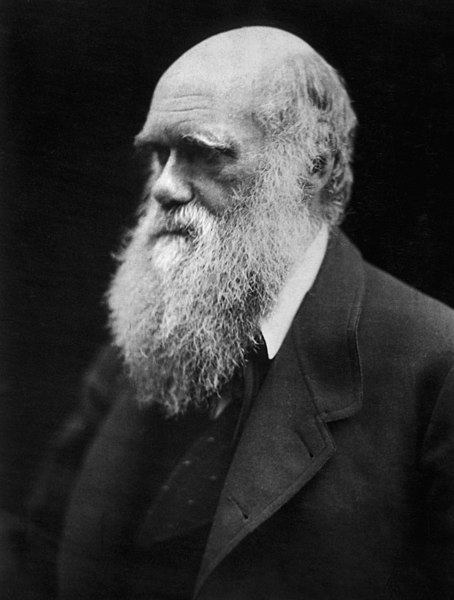
Charles Darwin was an English naturalist whose work fundamentally changed scientific understanding of the development and diversity of life. As a young man, he traveled aboard HMS Beagle on a voyage that took him around the world between 1831 and 1836.
Darwin collected plants, animals, fossils, and geological observations during the voyage. His research gradually contributed to his theory that species change over generations through a process he called natural selection.
In 1859, Darwin published On the Origin of Species, presenting extensive evidence for evolution and natural selection. The book generated major scientific and religious debate, and Darwin’s ideas eventually became foundational to modern evolutionary biology.
5. Karl Marx (1818–1883)
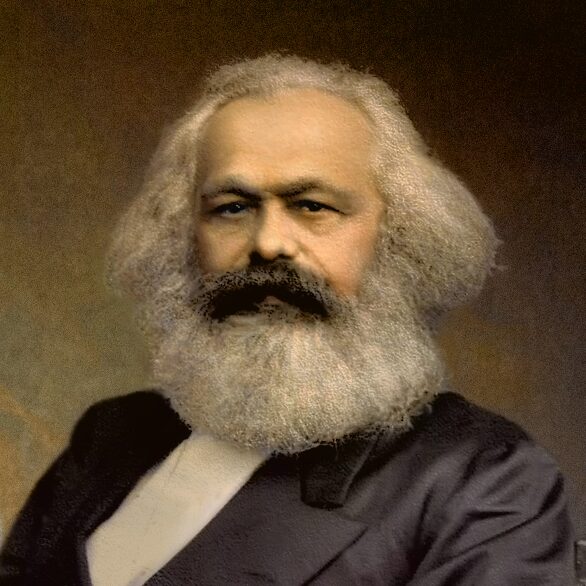
Karl Marx was a German-born philosopher, economist, journalist, and political theorist whose ideas became enormously influential during and after the 19th century. Much of his work examined capitalism, class conflict, labor, and economic inequality.
Together with Friedrich Engels, Marx published The Communist Manifesto in 1848. He later produced his major economic work, Das Kapital, the first volume of which appeared in 1867.
Marx argued that conflict between economic classes played a major role in historical change and predicted that capitalism would eventually be replaced by a different economic system. His writings later influenced socialist and communist movements around the world, although political movements and governments interpreted and applied his ideas in substantially different ways.
6. Florence Nightingale (1820–1910)
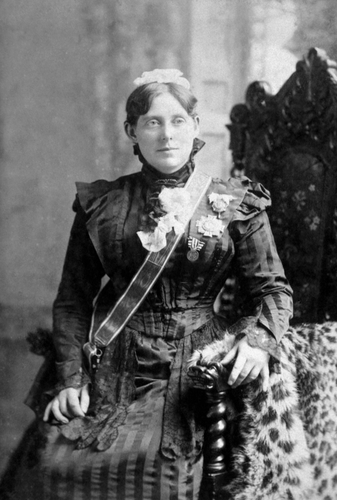
Florence Nightingale was a British nurse, statistician, and social reformer who played an important role in the development of modern professional nursing. She became internationally famous for her work during the Crimean War of 1853–1856.
Nightingale and a group of nurses traveled to a British military hospital at Scutari, where soldiers faced overcrowding, poor sanitation, and disease. She worked to improve hospital organization and hygiene and became popularly known as the “Lady with the Lamp” because of accounts of her nighttime visits to patients.
After the war, Nightingale campaigned for improvements in hospitals and public health. She made extensive use of statistics to communicate patterns in mortality and disease and helped establish a nursing school at St Thomas’ Hospital in London in 1860.
7. Thomas Edison (1847–1931)
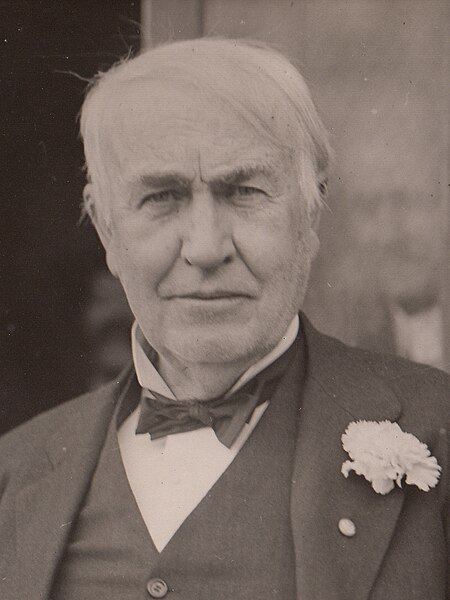
Thomas Edison was an American inventor and businessman who became one of the best-known figures of the Industrial Age. He developed or improved technologies involving electric power, recorded sound, telecommunications, and motion pictures.
One of his most famous inventions was the phonograph, introduced in 1877. Edison and his research team also developed a commercially practical incandescent lighting system, including not only improved lamps but also equipment for generating and distributing electricity.
Edison eventually accumulated more than 1,000 U.S. patents. His laboratories also represented an important development in organized industrial research, bringing teams of researchers together to systematically develop technologies for commercial use.
8. Charles Dickens (1812–1870)
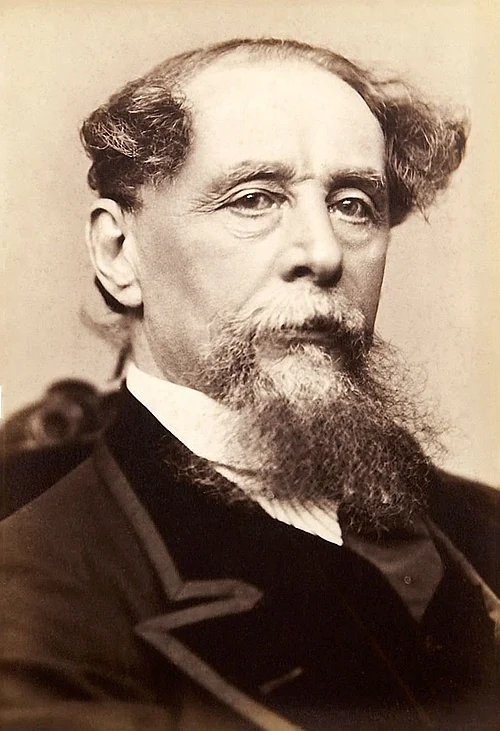
Charles Dickens was one of the most celebrated writers of the Victorian era. His novels combined memorable characters and dramatic storytelling with descriptions of poverty, inequality, crime, education, and working conditions in 19th-century Britain.
His best-known works include Oliver Twist, David Copperfield, A Christmas Carol, Bleak House, Great Expectations, and A Tale of Two Cities. Many were initially published in installments, encouraging large numbers of readers to follow each story as new sections appeared.
Dickens had experienced financial insecurity during childhood, including a period working in a factory after his father was imprisoned for debt. These experiences influenced his later interest in social problems and helped give his descriptions of Victorian poverty particular force.
9. Harriet Tubman (c. 1822–1913)
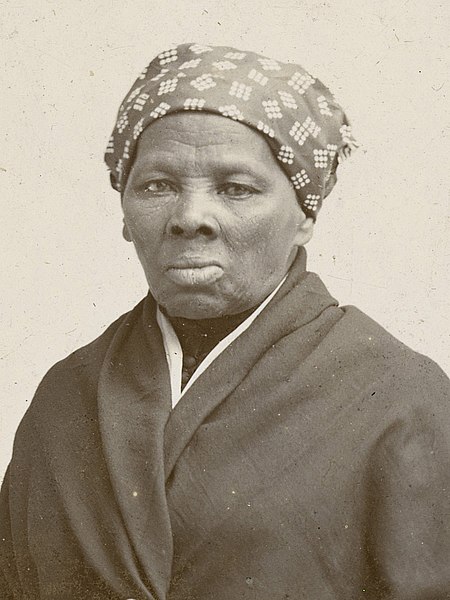
Harriet Tubman was an American abolitionist who escaped slavery and then repeatedly risked her freedom to help other enslaved people escape. Born enslaved in Maryland as Araminta Ross, she fled to freedom in 1849.
Tubman subsequently returned to Maryland multiple times to guide family members and others north using networks of abolitionists and safe houses commonly known as the Underground Railroad. She became one of its most famous conductors.
During the American Civil War, Tubman worked for the Union in several capacities, including as a nurse, scout, and spy. She participated in the 1863 Combahee Ferry Raid in South Carolina, an operation that freed hundreds of enslaved people. Later in life, she also supported women’s suffrage.
10. Alexander Graham Bell (1847–1922)
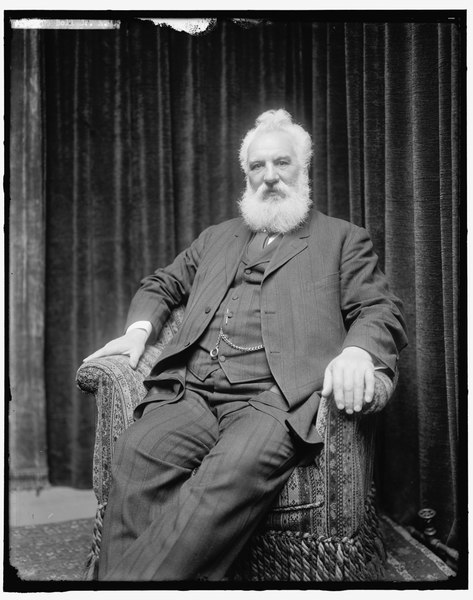
Alexander Graham Bell was a Scottish-born scientist, inventor, and teacher most famous for his role in the development of the telephone. His interest in sound and speech was strongly influenced by his family’s work in elocution and education for deaf people.
Bell received a U.S. patent related to the telephone in 1876 and soon demonstrated that recognizable human speech could be transmitted electrically. The telephone subsequently developed into one of the most important communications technologies of the modern era.
Bell continued experimenting throughout his life. His interests included sound recording, aeronautics, hydrofoils, and optical communication. Although the history of the telephone involved several inventors and competing patent claims, Bell remains one of the figures most closely associated with its early development and commercialization.
11. Otto von Bismarck (1815–1898)
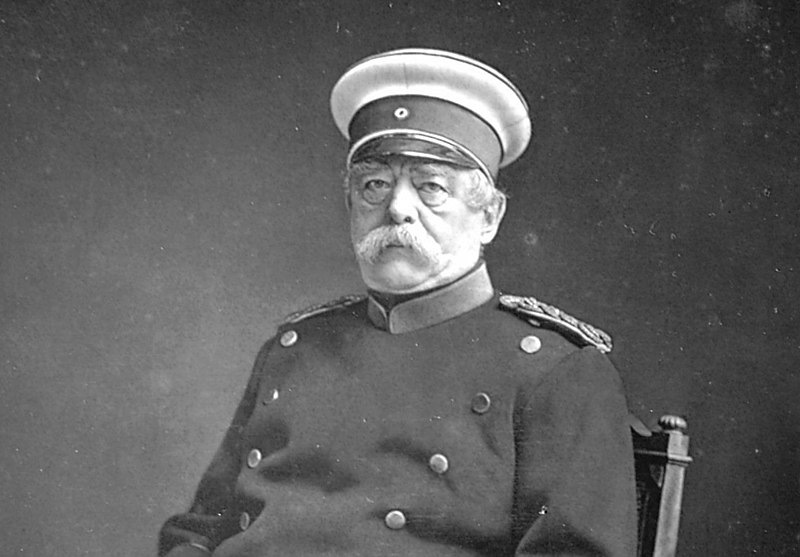
Otto von Bismarck was a Prussian statesman who played the central political role in the unification of Germany. Known for his pragmatic approach to politics, he became minister-president of Prussia in 1862.
Under Bismarck’s leadership, Prussia fought wars against Denmark, Austria, and France. The victories strengthened Prussian power and helped bring most German states together. In 1871, the German Empire was proclaimed, with Prussian King Wilhelm I becoming German emperor and Bismarck serving as the empire’s first chancellor.
As chancellor, Bismarck pursued complex diplomatic policies intended to protect Germany’s position in Europe. His government also introduced pioneering social insurance programs covering areas such as sickness, workplace accidents, and old age. Emperor Wilhelm II dismissed Bismarck in 1890.
12. Susan B. Anthony (1820–1906)
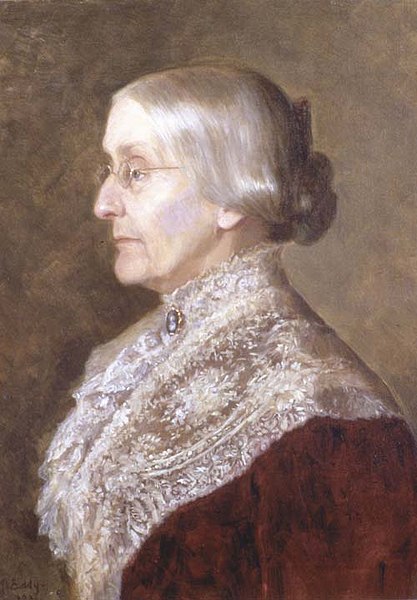
Susan B. Anthony was an American activist who became one of the most prominent leaders of the women’s suffrage movement in the United States. She was also involved in campaigns concerning abolition and women’s legal and economic rights.
Anthony formed a long-lasting partnership with fellow reformer Elizabeth Cady Stanton. Together, they organized campaigns, delivered speeches, published material, and helped establish organizations dedicated to securing voting rights for women.
In 1872, Anthony was arrested after voting in the presidential election, deliberately challenging laws that restricted voting to men. She died in 1906, fourteen years before the ratification of the 19th Amendment prohibited denying U.S. citizens the vote on the basis of sex. Her decades of activism made her one of the movement’s most recognizable figures.
13. Vincent van Gogh (1853–1890)

Vincent van Gogh was a Dutch Post-Impressionist painter whose work had a profound influence on the development of modern art. Although his artistic career lasted only about a decade, he produced hundreds of paintings and many drawings.
Van Gogh developed a distinctive style characterized by expressive brushwork, vivid color, and emotionally intense landscapes and portraits. Among his most famous works are The Starry Night, Sunflowers, Irises, and The Bedroom.
He achieved little commercial success during his lifetime, but his reputation grew rapidly after his death in 1890. His paintings later influenced Expressionism and other modern art movements, while his letters to his brother Theo provided historians with unusually detailed insight into his artistic development and working methods.