Paleolithic Period Timeline

Paleolithic Period Timeline

The Paleolithic Period, often referred to as the Stone Age, is a critical chapter in human history characterized by the use of stone tools. This prehistoric era is divided into three main phases: Each phase brought significant changes in tool technology, the emergence of different hominin species, and the development of more complex social structures. … Read more
10 Facts About the Paleolithic Age

Facts About the Paleolithic Age

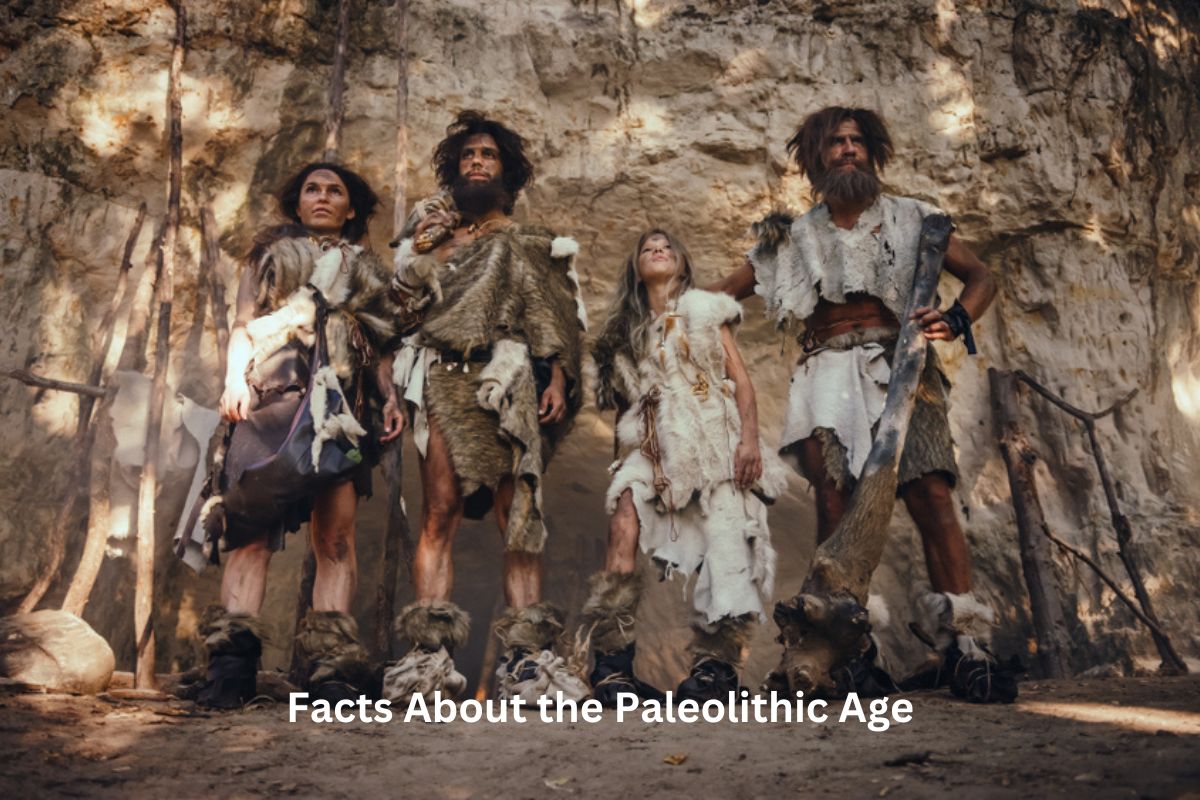
The Paleolithic Age, also known as the Stone Age, represents a remarkable chapter in human history. Spanning millions of years, this prehistoric era witnessed the emergence of early Homo sapiens and the development of fundamental elements of human existence. From the mastery of stone tools to the control of fire, the creation of art and … Read more

The Stone Age Timeline

The Stone Age Timeline

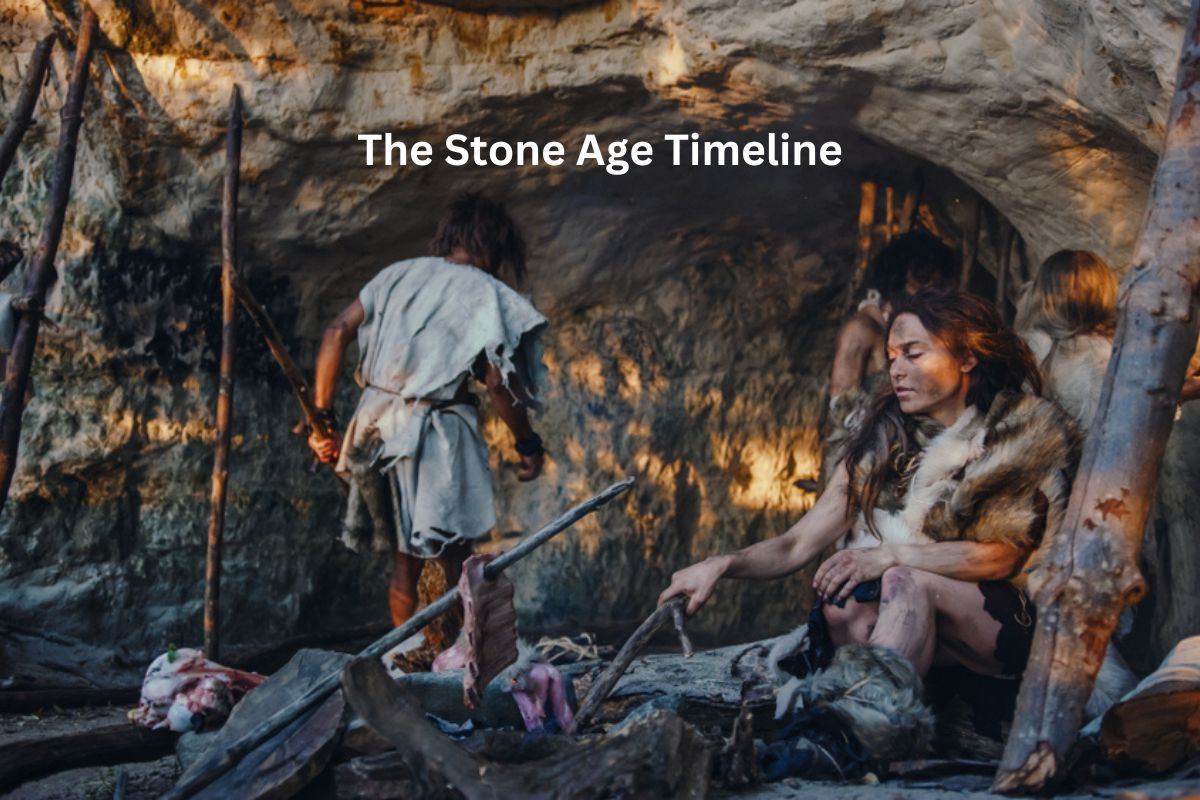
The Stone Age, a prehistoric period spanning millions of years, is a critical chapter in human history characterized by the use of stone tools and the gradual development of human societies. This era is traditionally divided into three main phases: Each phase brought about significant changes in technology, culture, and human adaptation to the environment. … Read more

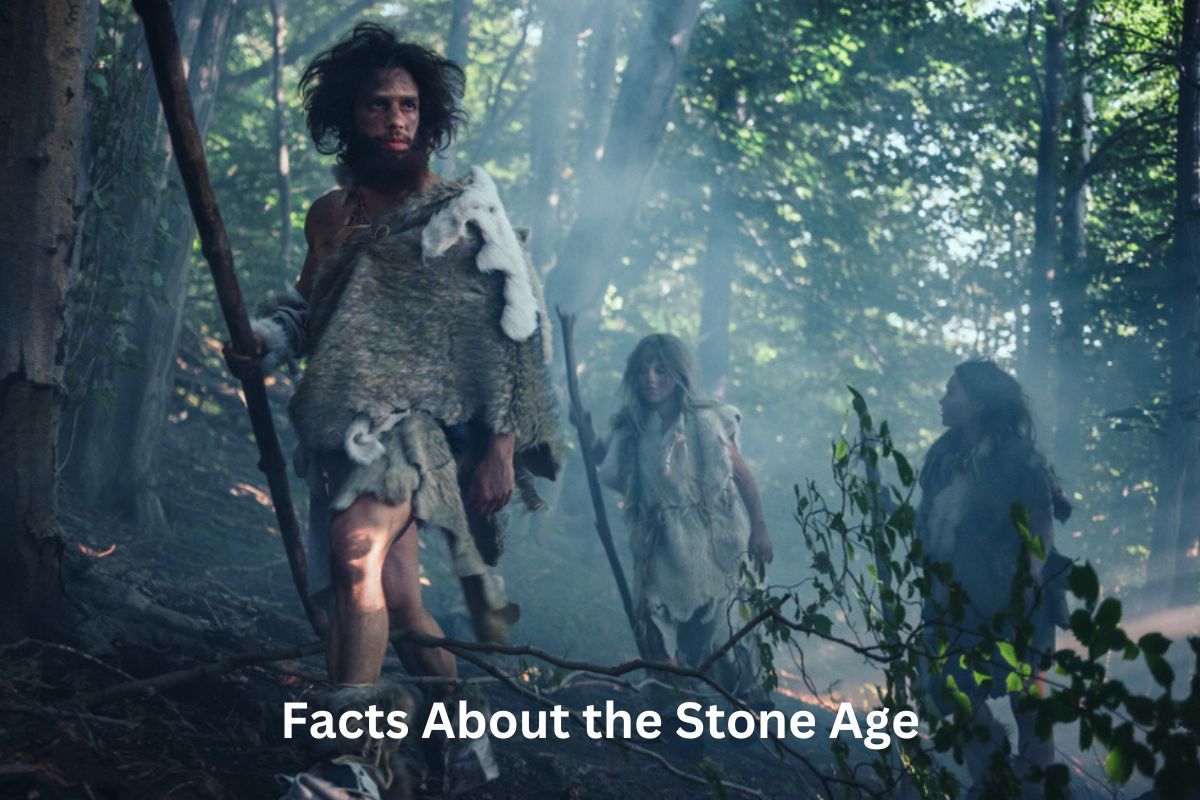
10 Facts About the Stone Age

Facts About the Stone Age

The Stone Age, a time shrouded in the mists of antiquity, serves as the distant anchor to our shared human heritage. Stretching back millions of years, this prehistoric epoch witnessed the remarkable ascent of Homo sapiens from primitive toolmakers to architects of civilizations. In our quest to fathom the tapestry of human history, we must … Read more

10 Cyrus the Great Accomplishments and Achievements

Cyrus the Great Accomplishments

Cyrus the Great, born around 600 BCE, was the founder of the Achaemenid Empire, one of the world’s first major empires. He was born in Anshan, a region in present-day Iran, and rose to prominence through his military and political acumen. Cyrus is celebrated for his policies of religious tolerance and human rights, as exemplified … Read more

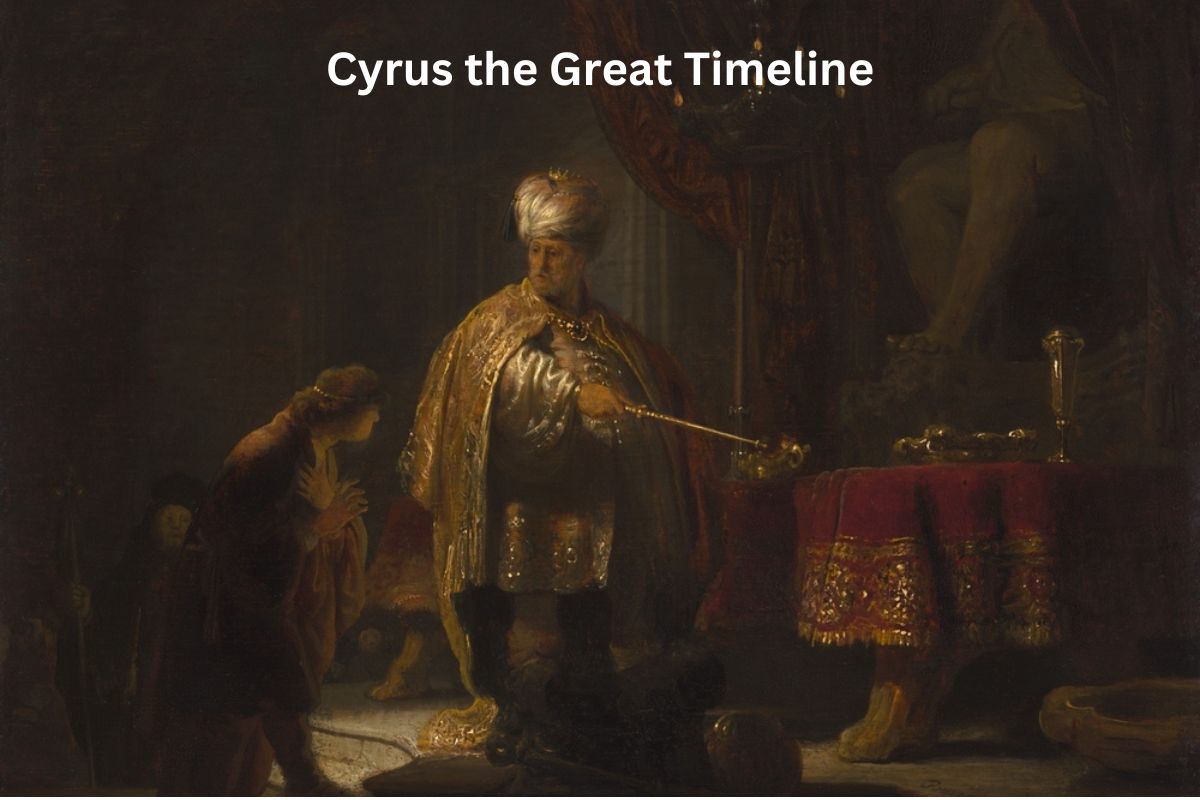
Cyrus the Great Timeline

Cyrus the Great Timeline

Cyrus the Great, born around 600-576 BCE in Persis, Iran, was the founder of the Achaemenid Empire. His conquests included Media, Lydia, and Babylon, known for his policy of religious tolerance and benevolent governance. He expanded the empire into Asia Minor and is celebrated for his principles of just rule and respect for diverse cultures, … Read more

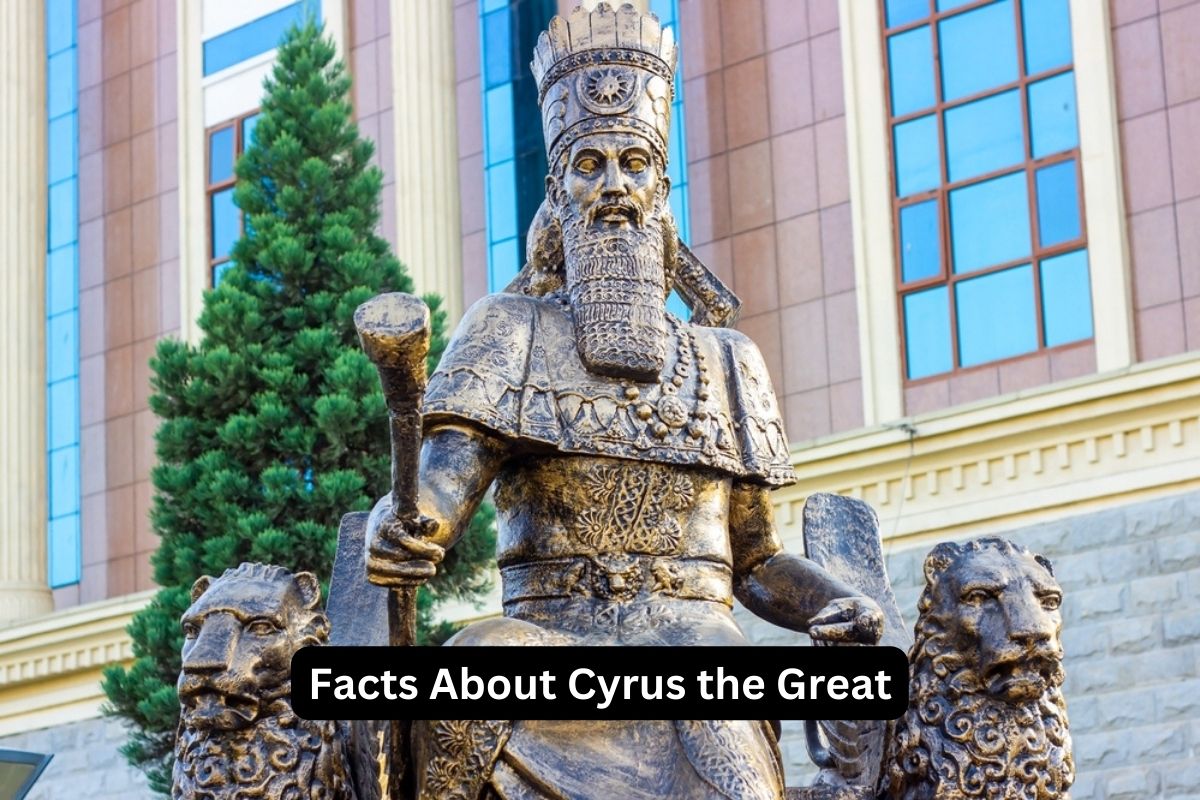
10 Facts About Cyrus the Great

Facts About Cyrus the Great

Cyrus the Great, born around 600-576 BCE in Anshan, Persia, was the founder of the Achaemenid Empire, also known as the First Persian Empire. He is renowned for his military conquests, including the defeat of the Median, Lydian, and Neo-Babylonian Empires. Cyrus’s rule is characterized by his policy of religious tolerance and respect for diverse … Read more

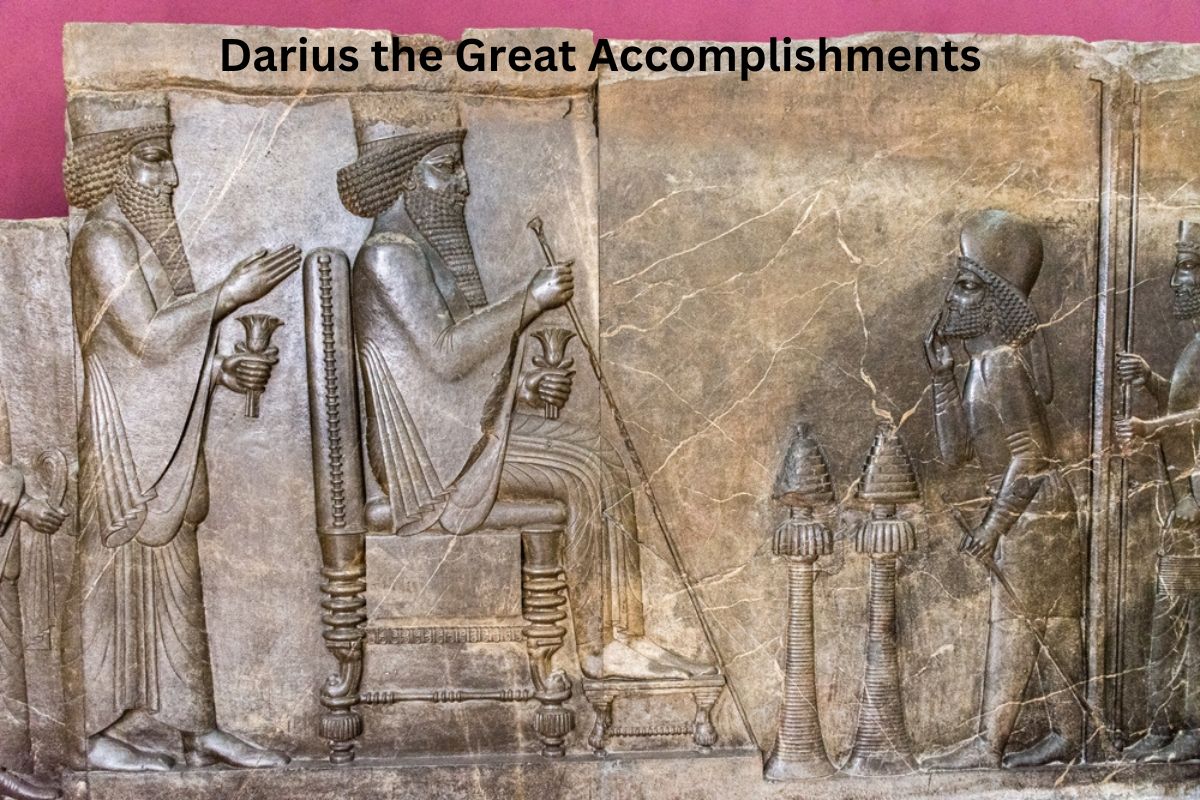
10 Darius the Great Accomplishments and Achievements

Darius the Great Accomplishments

Darius the Great, also known as Darius I, was a Persian king who reigned from 522 BCE to 486 BCE. He was a significant ruler of the Achaemenid Empire, one of the most extensive and powerful empires of the ancient world. Darius ascended to power following a period of unrest and revolts and is known … Read more

10 Antoninus Pius Accomplishments and Achievements

Antoninus Pius Accomplishments

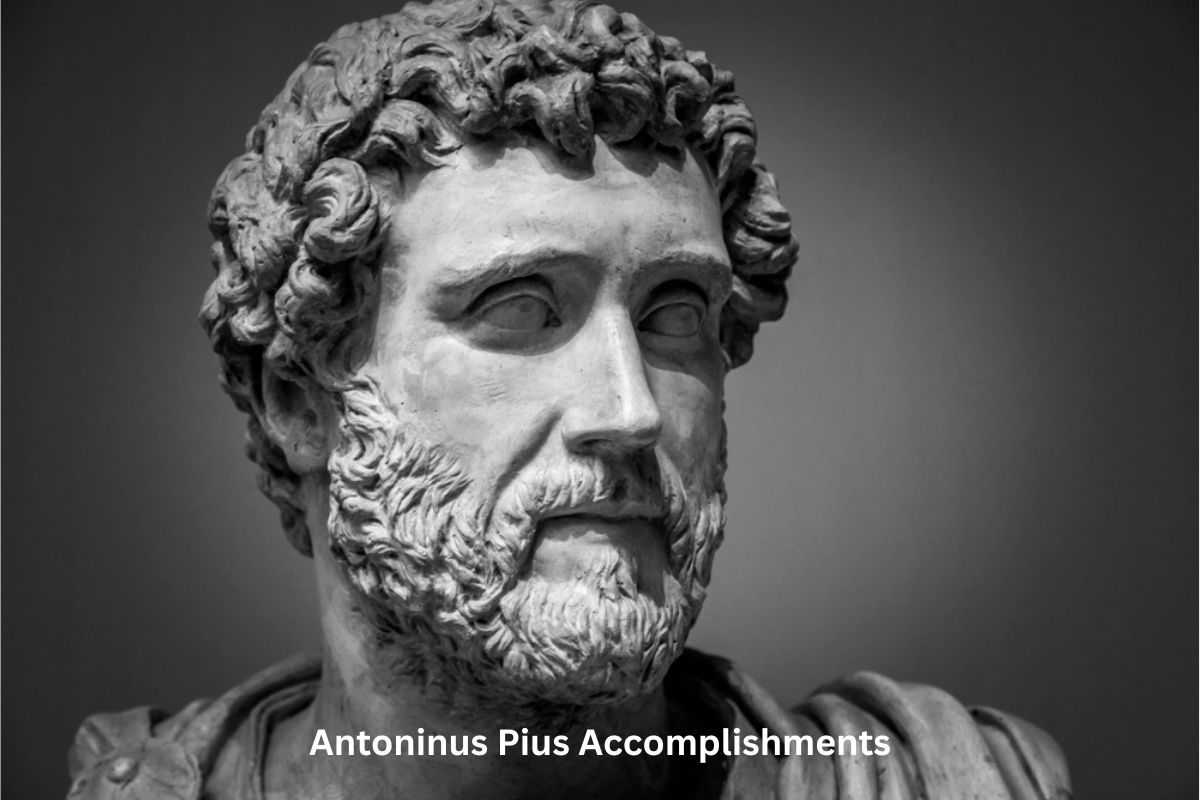
Antoninus Pius, born in 86 AD, was a Roman Emperor who ruled from 138 to 161 AD. His reign is often characterized by its emphasis on peace, administrative reforms, philanthropy, and support for education and culture. Antoninus Pius is considered one of the “Five Good Emperors” of Rome, known for his wise and effective leadership … Read more

10 Tiberius Accomplishments and Achievements

Tiberius Accomplishments

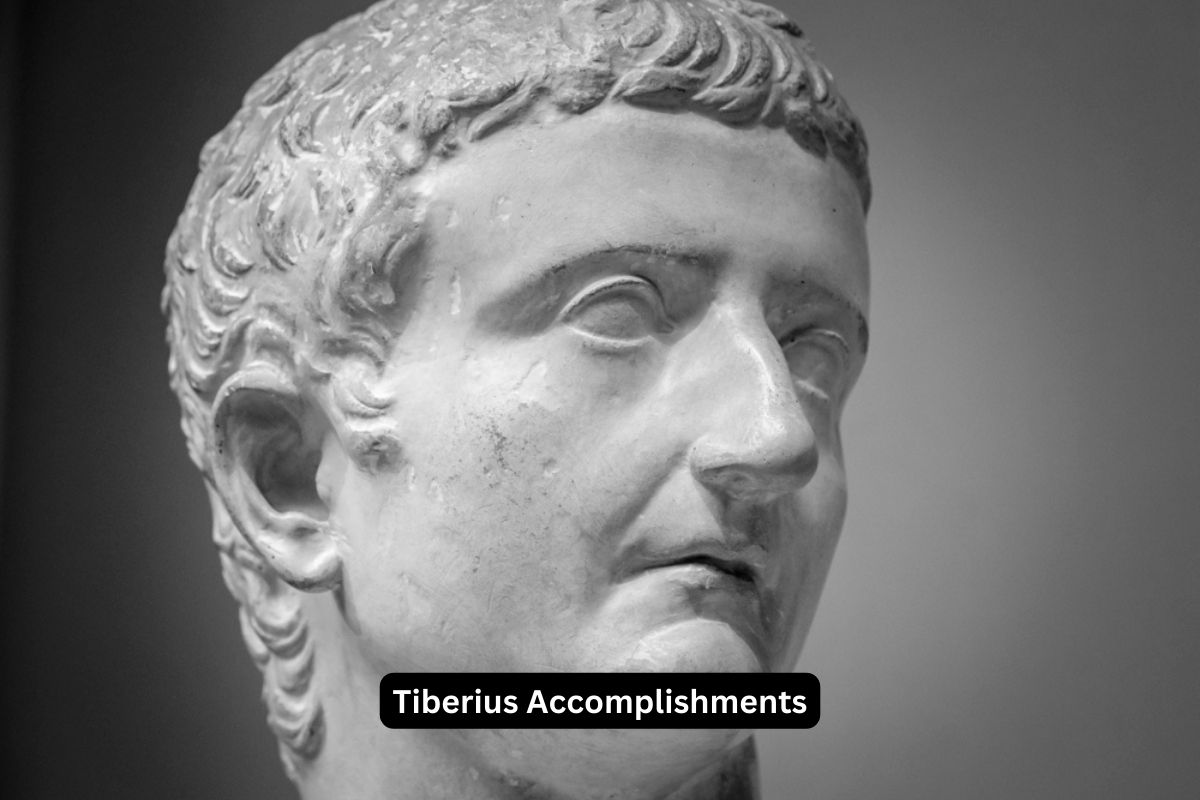
Tiberius Caesar, born Tiberius Claudius Nero, was the second Roman Emperor who ruled from 14 AD to 37 AD. He succeeded Augustus and played a pivotal role in shaping the early Roman Empire. Tiberius is known for his complex reign, marked by notable achievements, military campaigns, administrative reforms, and contributions to Roman culture and infrastructure. … Read more