10 Facts About Plessy v Ferguson
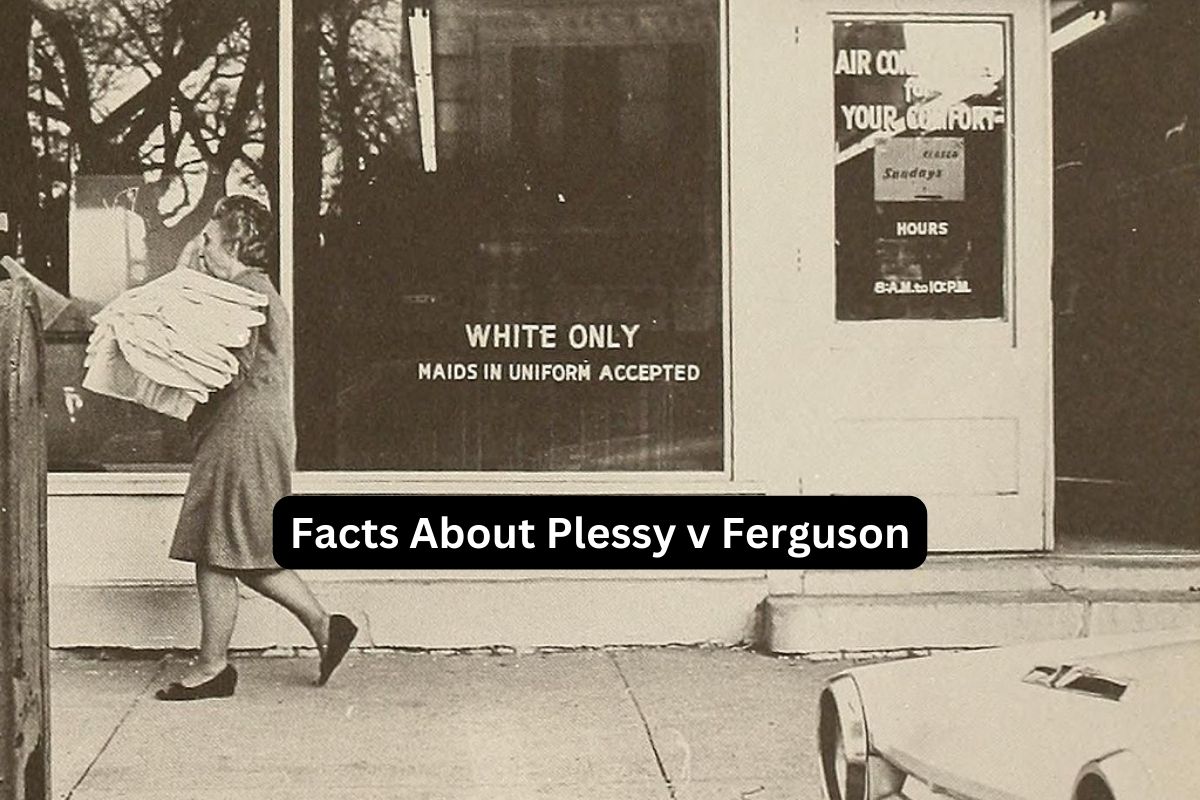
Facts About Plessy v Ferguson

Plessy v. Ferguson was a landmark United States Supreme Court case decided in 1896. Originating in Louisiana, the case revolved around a state law that mandated racial segregation on trains. Homer Plessy, a man of mixed race, intentionally violated the law to challenge its constitutionality. The case reached the Supreme Court, which upheld the segregation … Read more
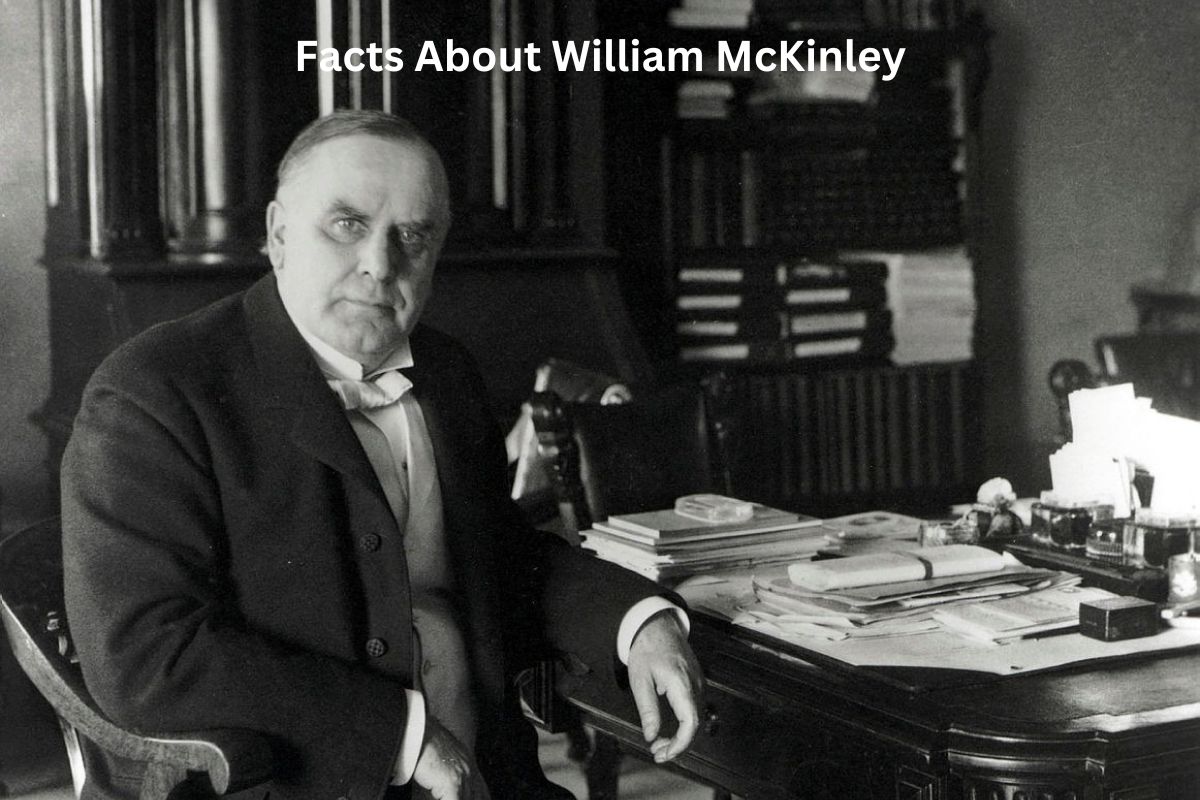
10 Facts About William McKinley

Facts About William McKinley

William McKinley, the 25th President of the United States, lived a life of humble beginnings, marked by his early service in the Union Army during the Civil War and his subsequent career as a lawyer. His political journey led him to the halls of Congress, where he championed protective tariffs and played a pivotal role … Read more

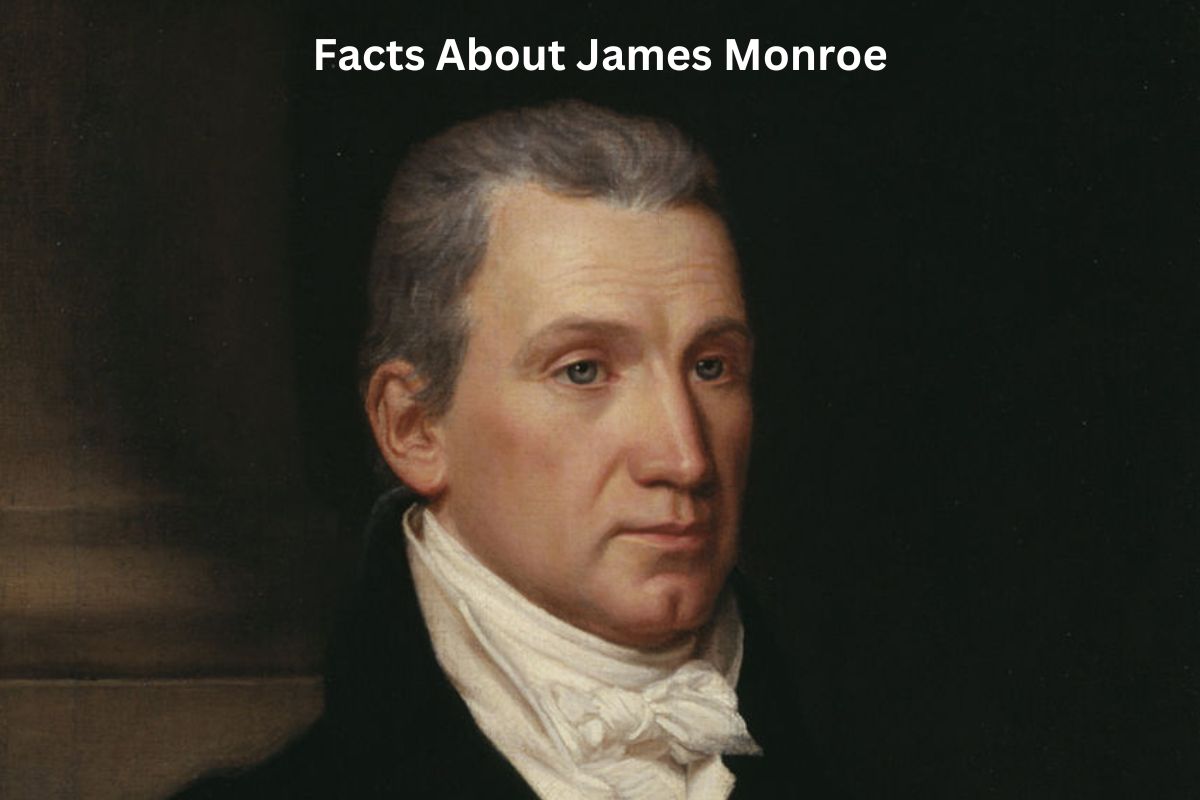
10 Facts About James Monroe

Facts About James Monroe

James Monroe, the fifth President of the United States, was a pivotal figure in early American history. Born in Virginia in 1758, Monroe’s life was shaped by his service in the Continental Army during the Revolutionary War and his involvement in Virginia politics. As a statesman, he played key roles in significant events such as … Read more

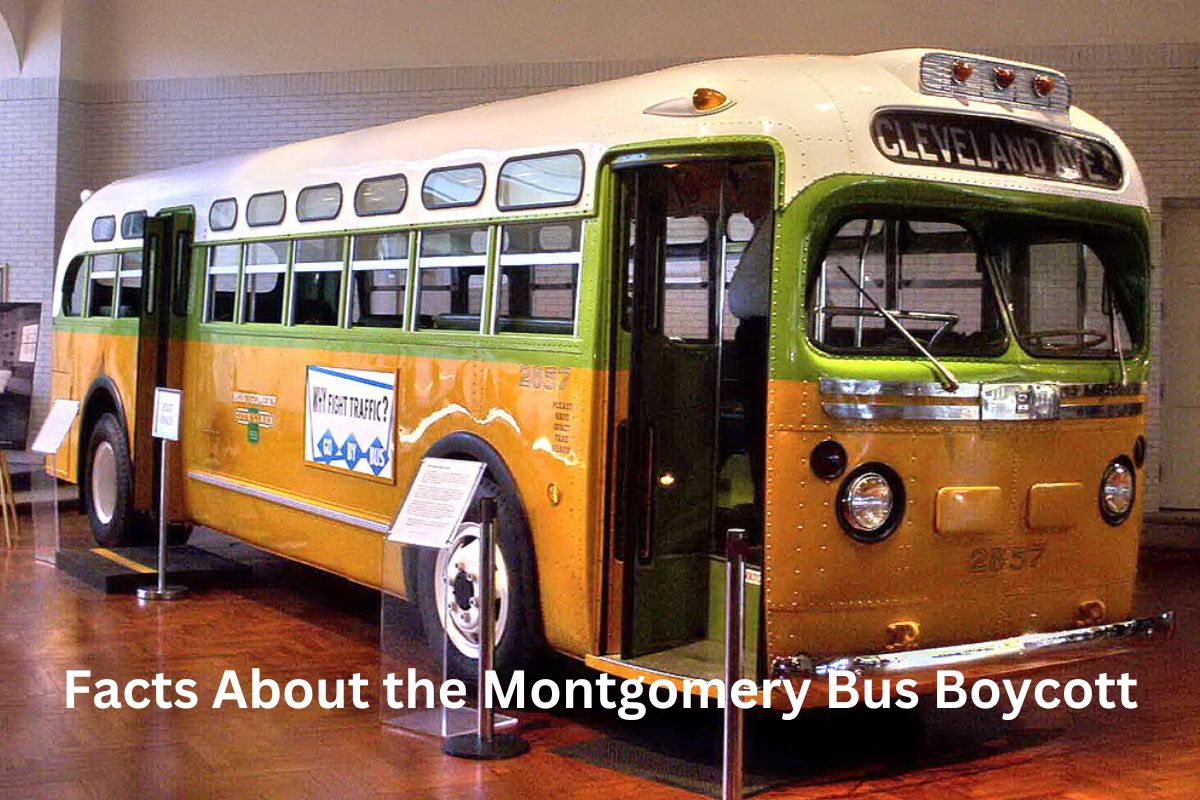
10 Facts About the Montgomery Bus Boycott

Facts About the Montgomery Bus Boycott

The Montgomery Bus Boycott was a pivotal event in the American civil rights movement that took place in Montgomery, Alabama, from December 1955 to December 1956. It was sparked by the arrest of Rosa Parks, an African American woman who refused to give up her bus seat to a white passenger. Organized by the Montgomery … Read more

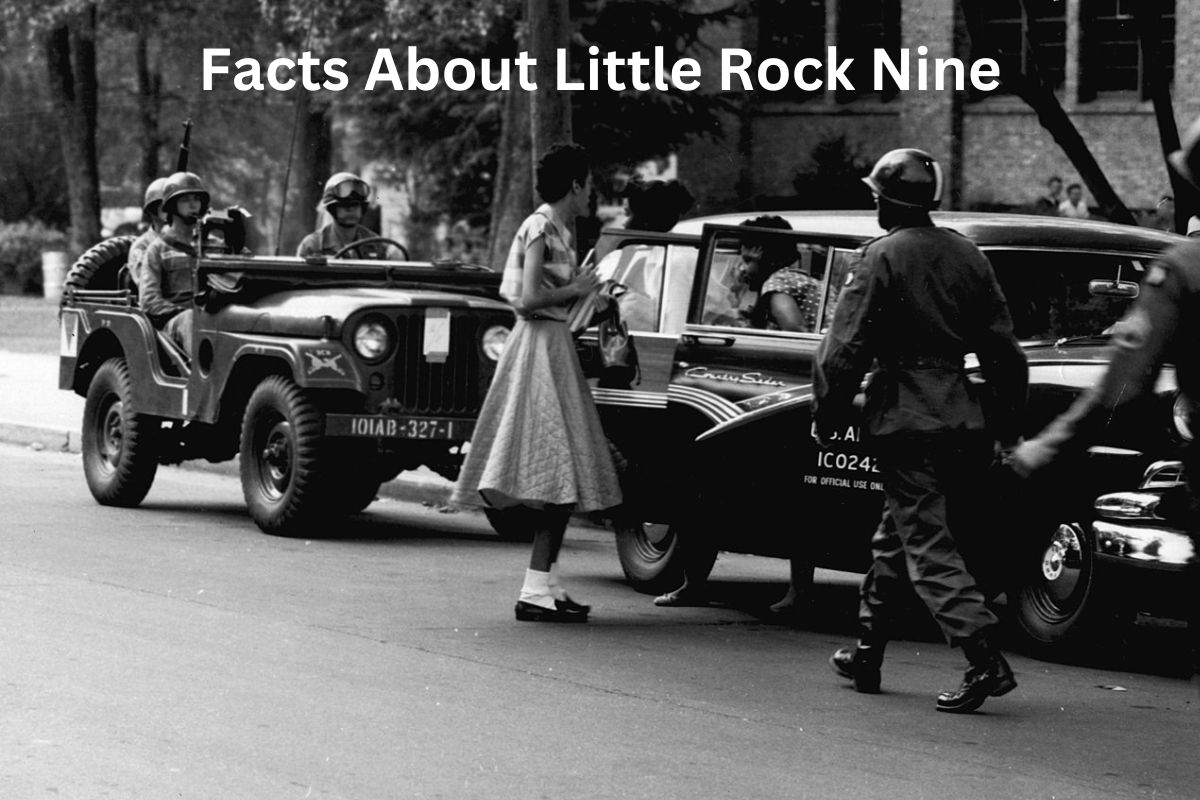
10 Facts About Little Rock Nine

Facts About Little Rock Nine

The Little Rock Nine were a group of African American students who played a significant role in the desegregation of Little Rock Central High School in Arkansas during the civil rights movement. Their courageous actions in 1957 challenged racial segregation in education and drew national attention to the struggle for equal rights. Despite facing hostility, … Read more

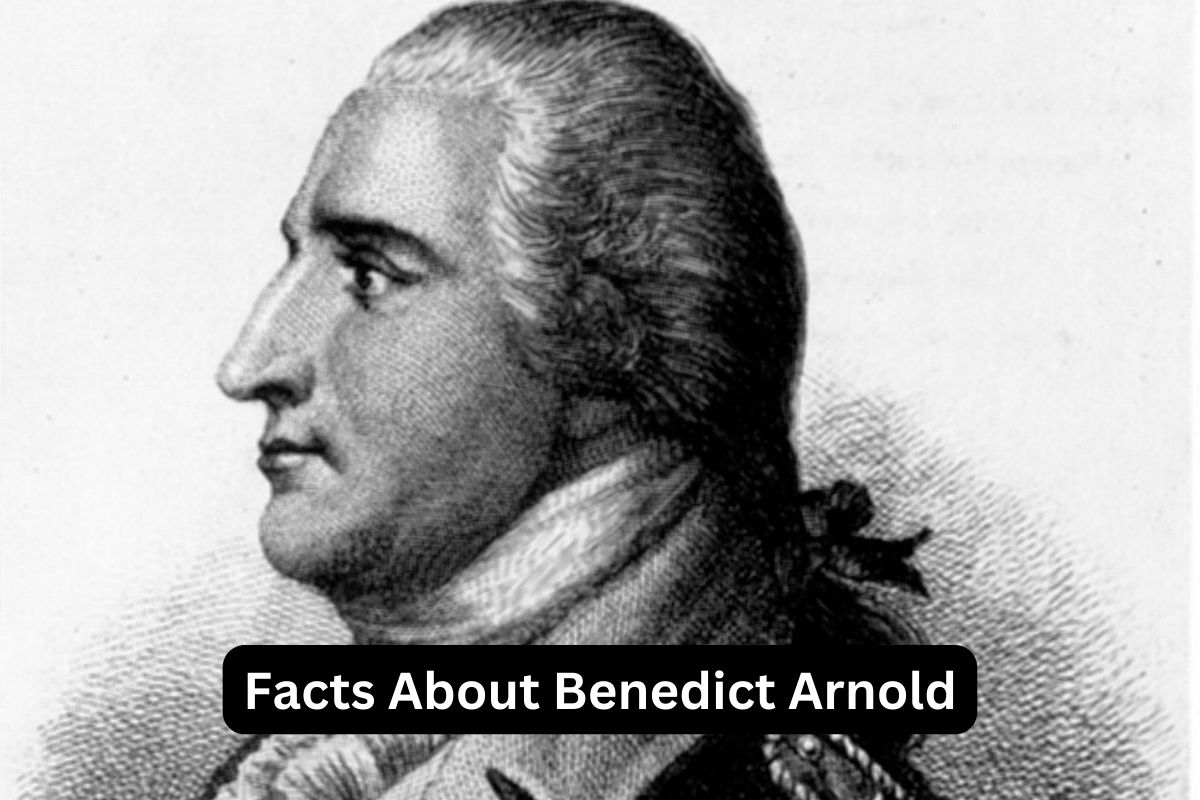
10 Facts About Benedict Arnold

Facts About Benedict Arnold

Benedict Arnold is a name that is deeply ingrained in American history as one of the most infamous figures of the Revolutionary War. Born in 1741, Arnold initially fought for the American Continental Army and played a crucial role in key victories, including the Battle of Saratoga. However, his story took a dramatic turn when … Read more

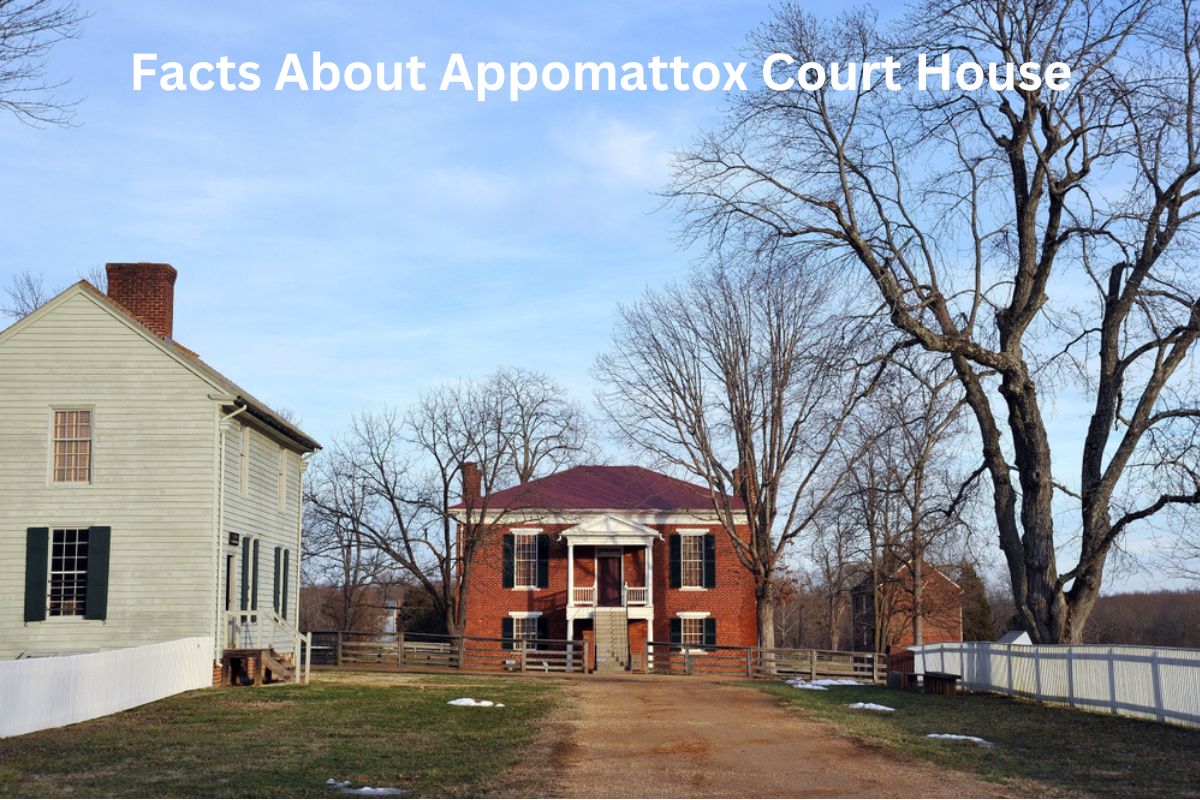
15 Facts About Appomattox Court House

Facts About Appomattox Court House

Appomattox Court House is a historic village in Appomattox County, Virginia, where the famous surrender between General Robert E. Lee and General Ulysses S. Grant occurred, effectively ending the American Civil War. Today, the village is preserved as the Appomattox Court House National Historical Park, offering visitors the opportunity to explore the site and learn … Read more

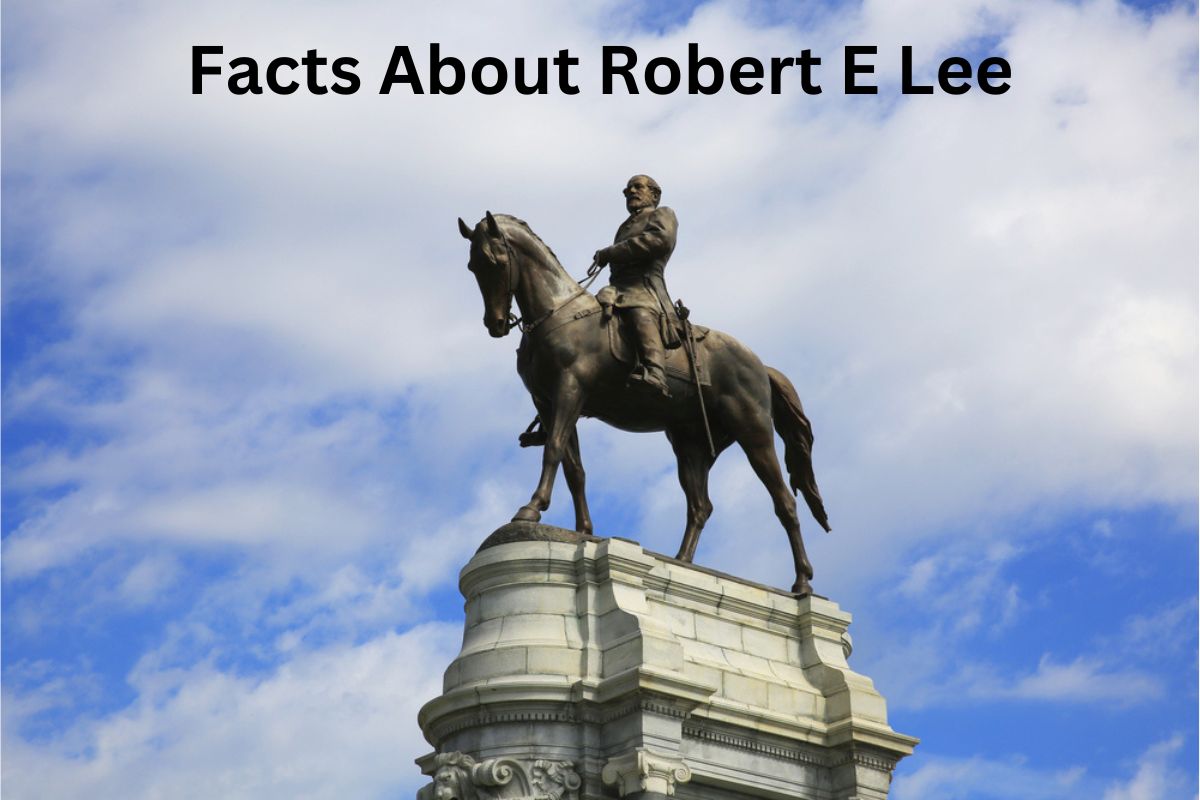
15 Facts About Robert E Lee

Facts About Robert E Lee

Robert E. Lee, born in 1807, was a renowned military leader during the American Civil War. Coming from a prominent Virginia family, Lee’s loyalty to his state led him to join the Confederate Army despite initial reluctance. As the commander of the Army of Northern Virginia, his tactical brilliance was evident in battles like Bull … Read more

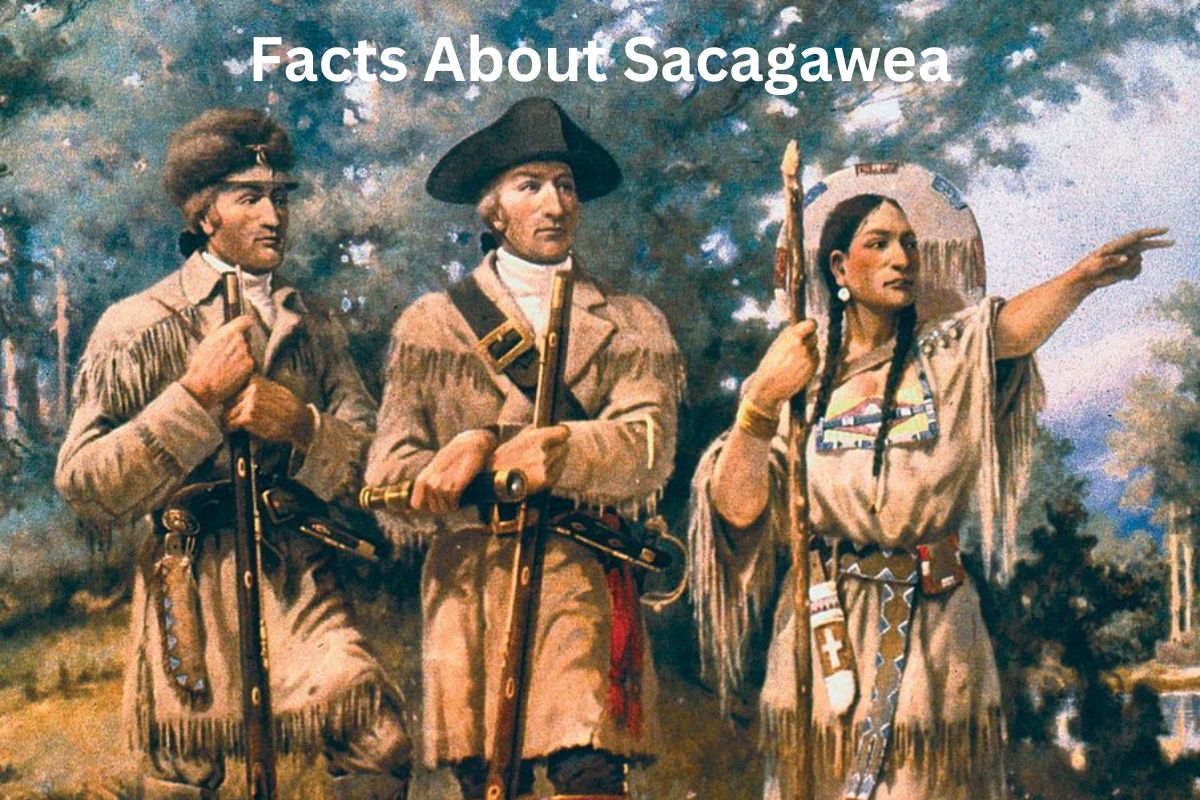
15 Facts About Sacagawea

Facts About Sacagawea

Sacagawea, a Shoshone woman born in 1788, holds a significant place in American history for her role as an interpreter, guide, and symbol of resilience and cultural diversity. She is best known for her involvement in the Lewis and Clark Expedition, a pioneering journey that explored the uncharted western territories of the United States in … Read more

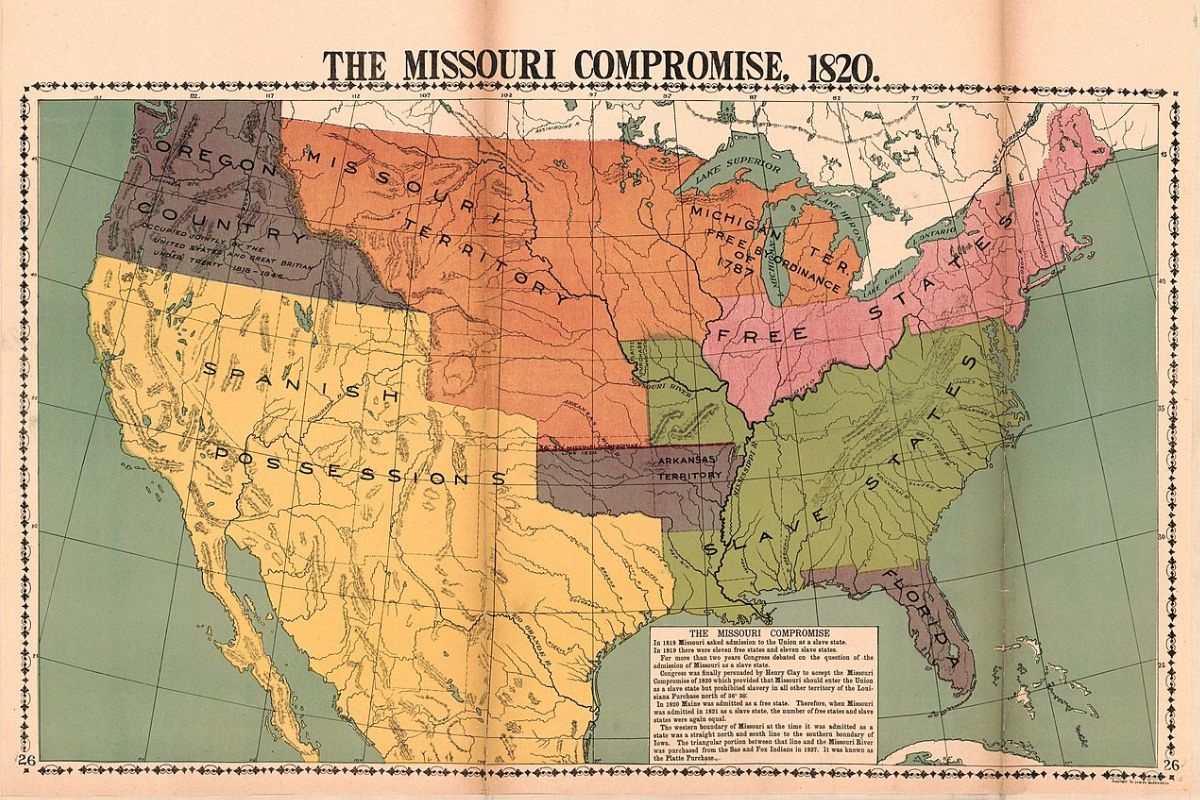
15 Facts About the Missouri Compromise

Facts About the Missouri Compromise

The Missouri Compromise, enacted in 1820, was a significant legislative agreement in the United States that aimed to address the escalating tensions surrounding the expansion of slavery. At the time, the nation was sharply divided between the pro-slavery interests of the South and the anti-slavery sentiments of the North. The Compromise sought to maintain a … Read more