10 Facts About the Parthenon
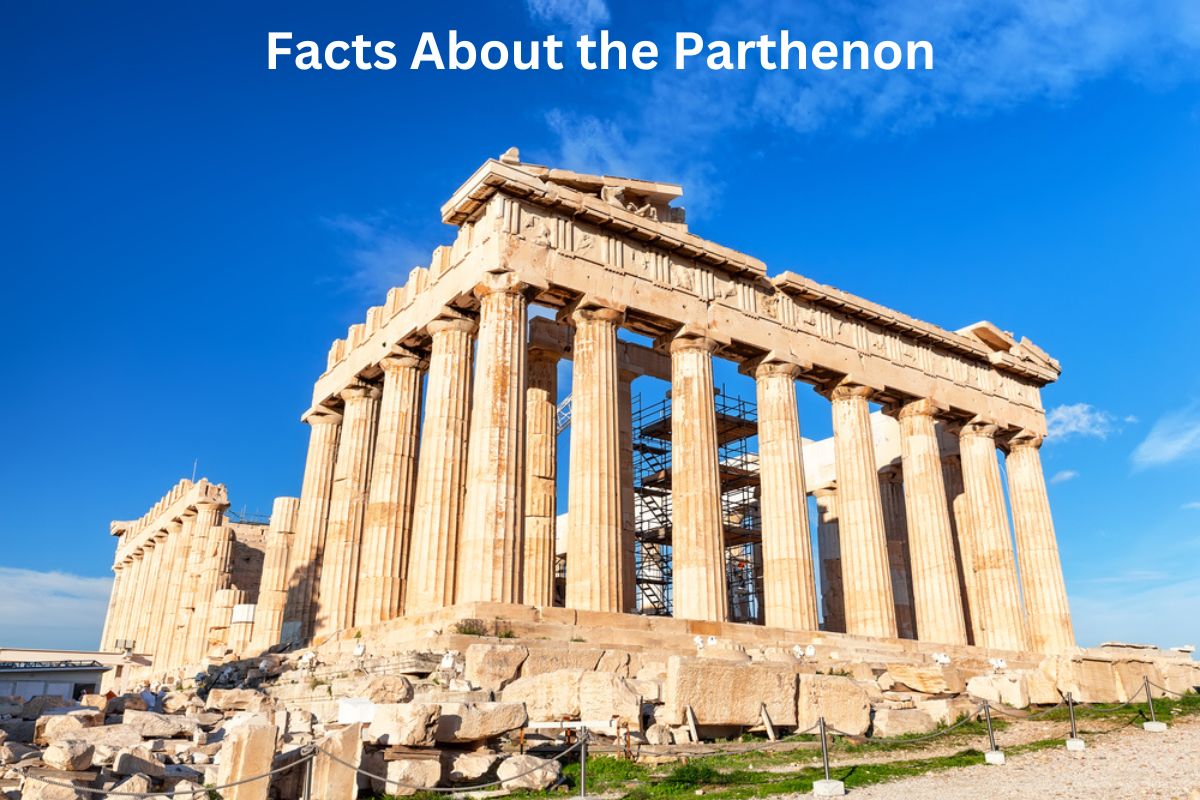
Facts About the Parthenon

The Parthenon is an ancient Greek temple located on the Acropolis in Athens, Greece. Built between 447 and 438 BCE, it is dedicated to the goddess Athena and stands as a symbol of Athens’ cultural and political power. Designed by architects Ictinus and Callicrates, the temple showcases the Doric order of architecture with its sturdy … Read more
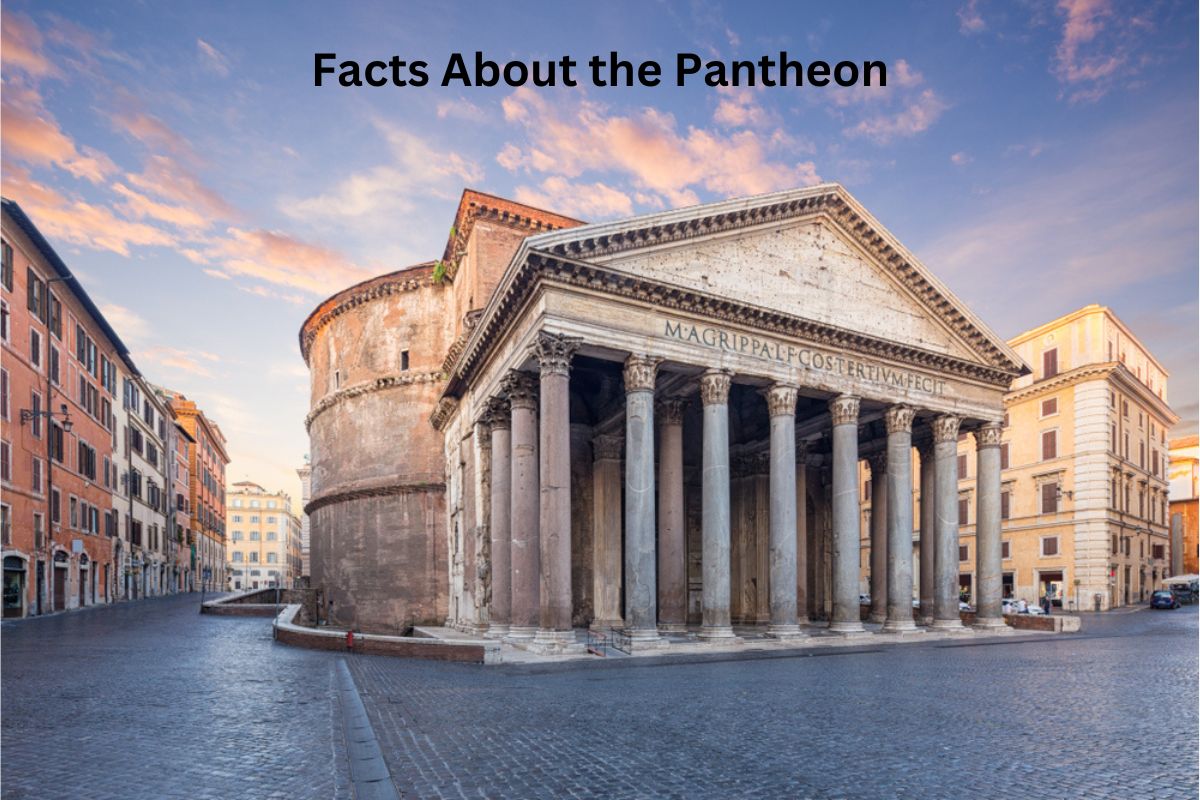
10 Facts About the Pantheon

Facts About the Pantheon

The Pantheon is an ancient Roman temple located in Rome, Italy. Originally built as a temple dedicated to all the gods of pagan Rome, it stands as a testament to the architectural prowess of the Roman Empire. The current structure is a reconstruction commissioned by Emperor Hadrian in 126 AD, after the original temple built … Read more

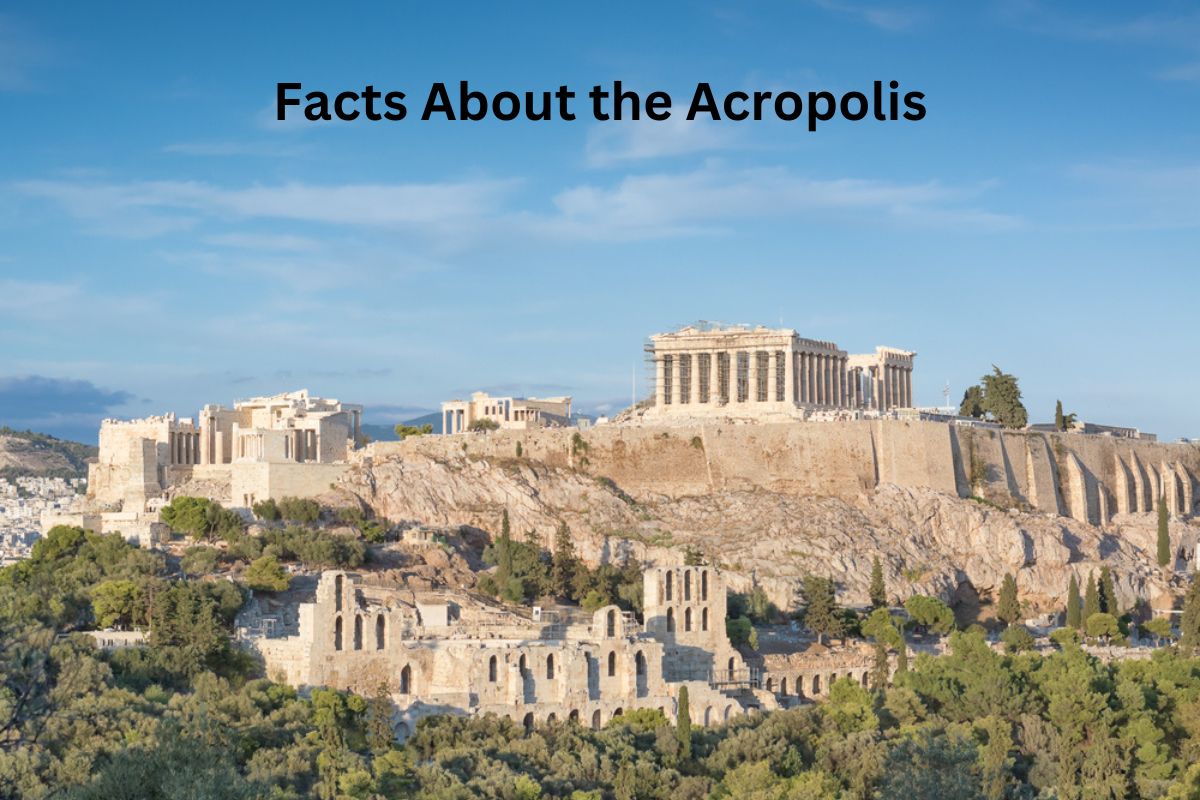
10 Facts About the Acropolis

Facts About the Acropolis

The Acropolis is an ancient citadel located in Athens, Greece. Perched on a rocky hill, it is one of the most renowned archaeological sites in the world. The word “Acropolis” translates to “high city” in Greek, reflecting its elevated position overlooking the city. The most famous structure on the Acropolis is the Parthenon, an iconic … Read more

10 Justinian Accomplishments and Achievements

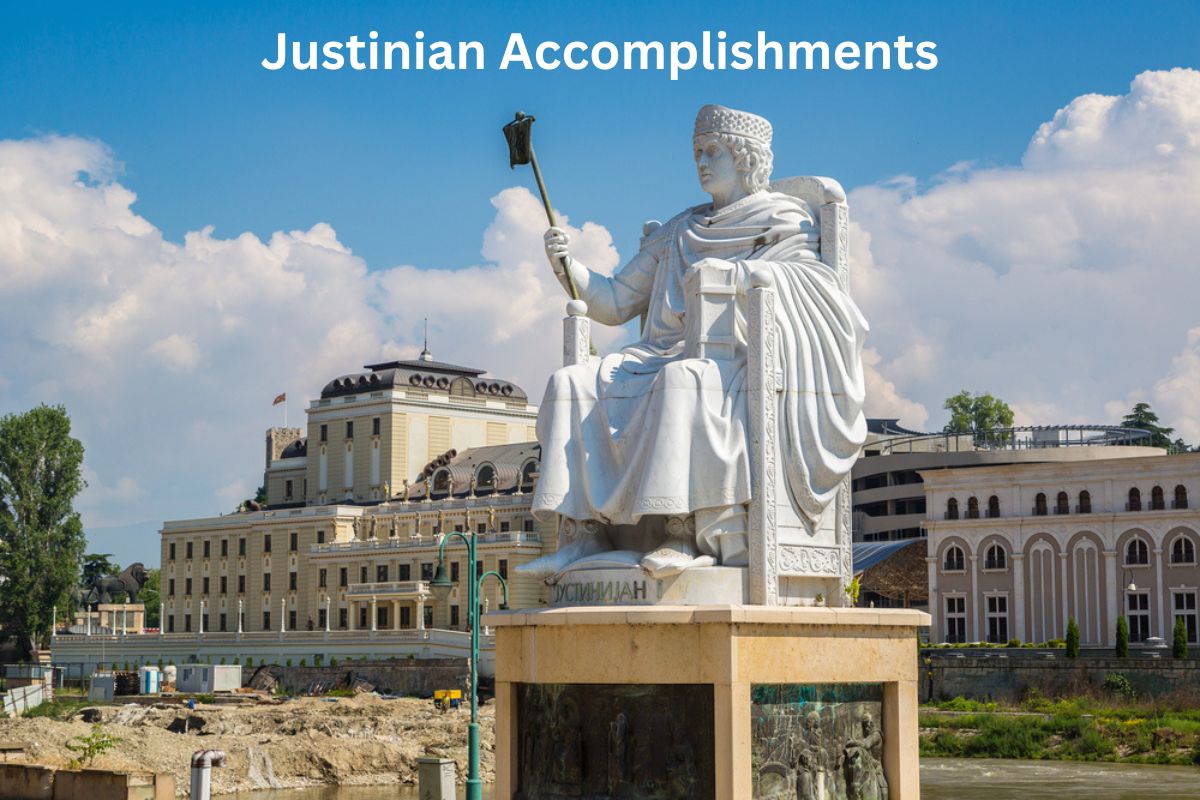
Justinian Accomplishments

Justinian I, also known as Justinian the Great, was a Byzantine emperor who ruled from 527 to 565 CE. He left an indelible mark on the Byzantine Empire through a range of accomplishments and reforms. Justinian’s reign was characterized by notable achievements such as the codification of Roman law, the reconquest of former Roman territories, … Read more

10 Facts About Justinian I

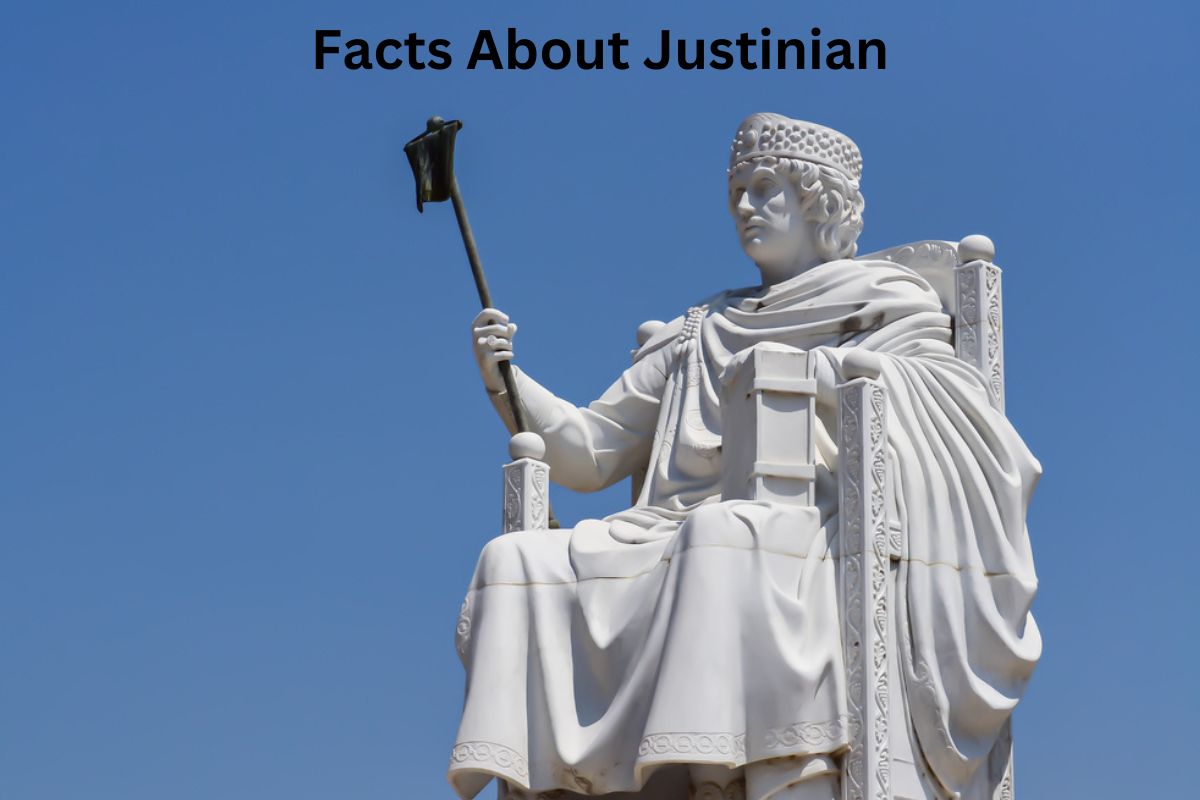
Facts About Justinian

Justinian I, also known as Justinian the Great, was a Byzantine emperor who ruled from 527 to 565 AD. Born in 482 AD in Tauresium (now North Macedonia), Justinian embarked on an ambitious reign characterized by significant achievements and challenges. His most notable contribution was the codification of Roman laws into the Justinian Code, which … Read more

Nicolaus Copernicus Timeline

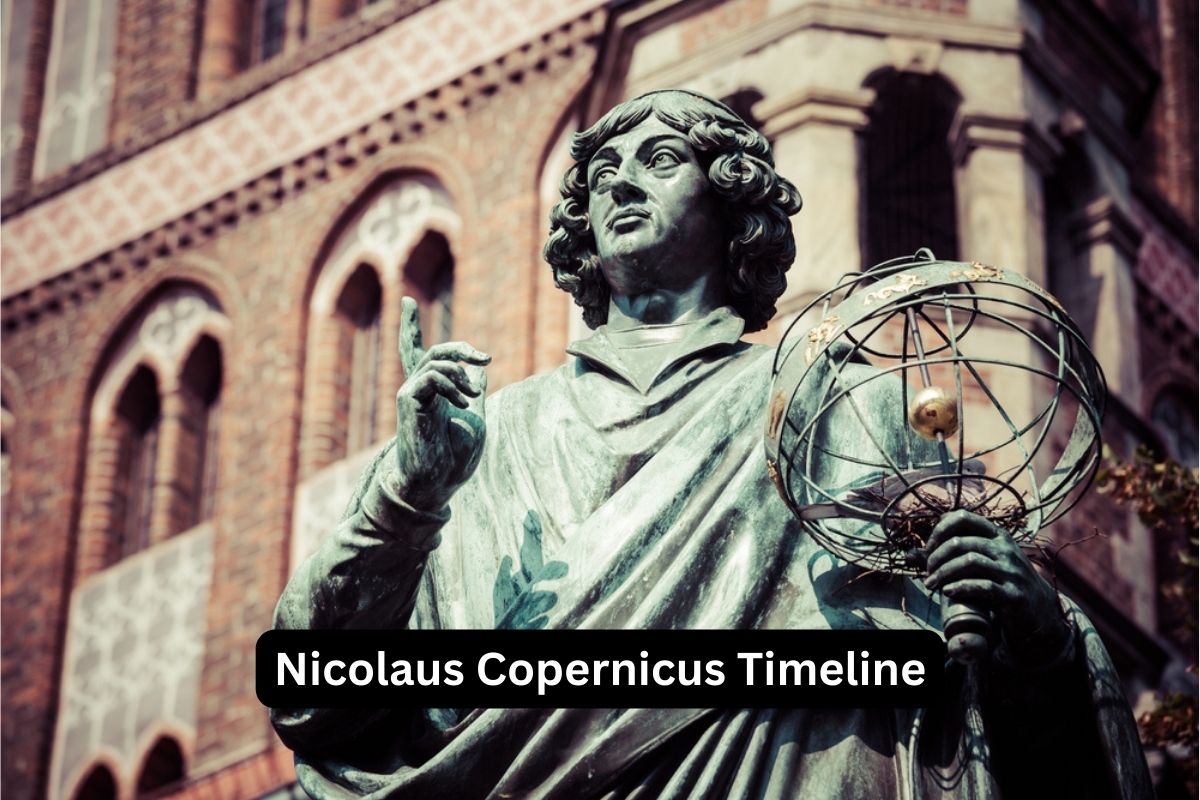
Nicolaus Copernicus Timeline

Nicolaus Copernicus (1473–1543) was a Polish astronomer and mathematician who proposed a heliocentric model of the universe, challenging the established geocentric model which posited Earth as the center. His groundbreaking work ignited what would later be known as the Copernican Revolution, a crucial aspect of the larger Scientific Revolution in Europe. Born into a well-off … Read more

10 Nicolaus Copernicus Accomplishments and Achievements

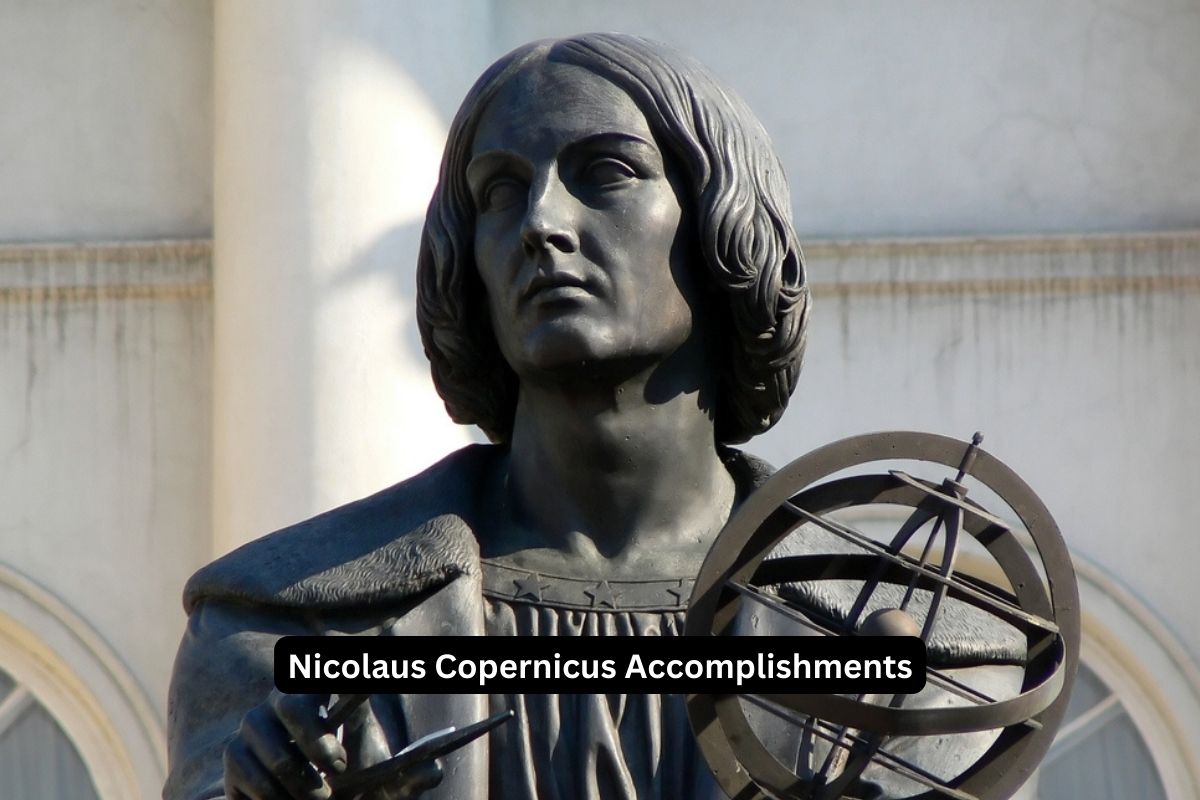
Nicolaus Copernicus Accomplishments

Nicolaus Copernicus (1473-1543) was a Renaissance astronomer and mathematician whose revolutionary ideas and contributions reshaped our understanding of the universe. His most significant accomplishment was proposing the heliocentric model, which placed the Sun at the center of the solar system with the planets, including Earth, orbiting around it. This departure from the prevailing geocentric view … Read more

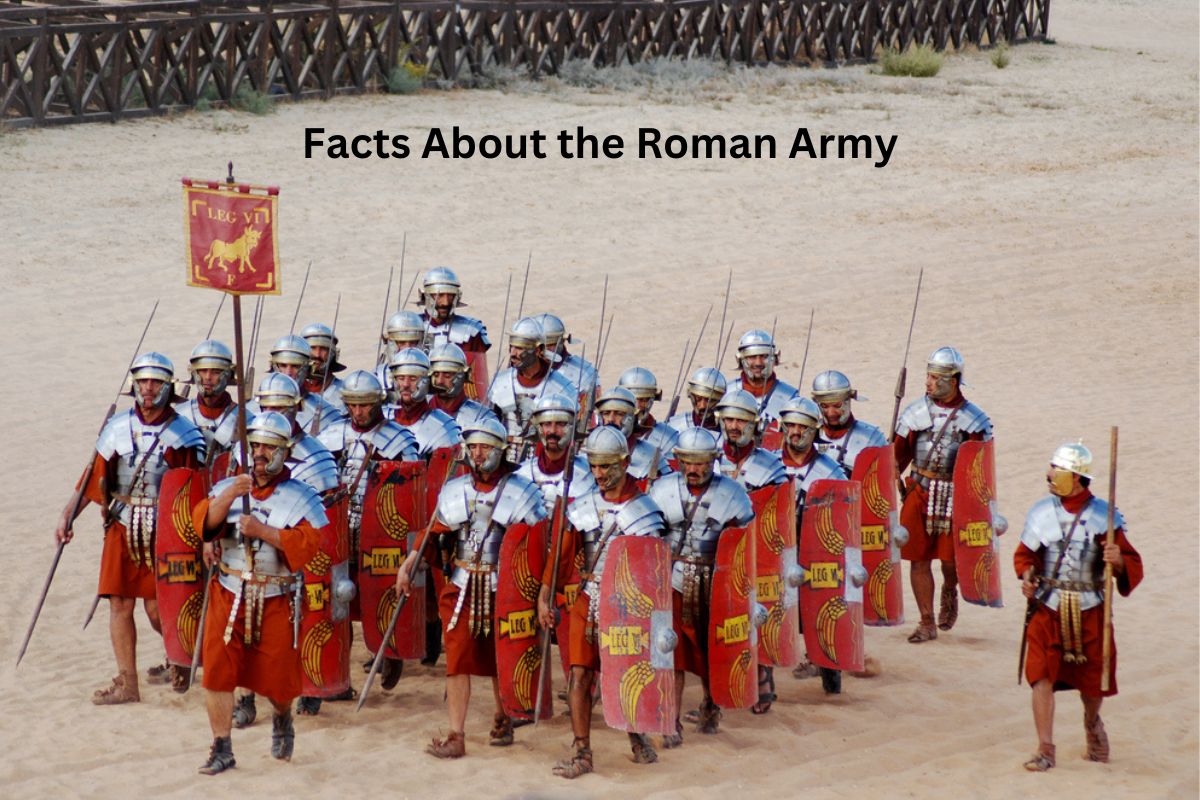
10 Facts About the Roman Army

Facts About the Roman Army

The Roman army, one of the most formidable military forces of the ancient world, played a crucial role in shaping the Roman Empire’s rise to power and its subsequent dominance. Known for its disciplined soldiers, tactical prowess, and well-organized structure, the Roman army was a formidable force on the battlefield. Comprised of legions and supported … Read more

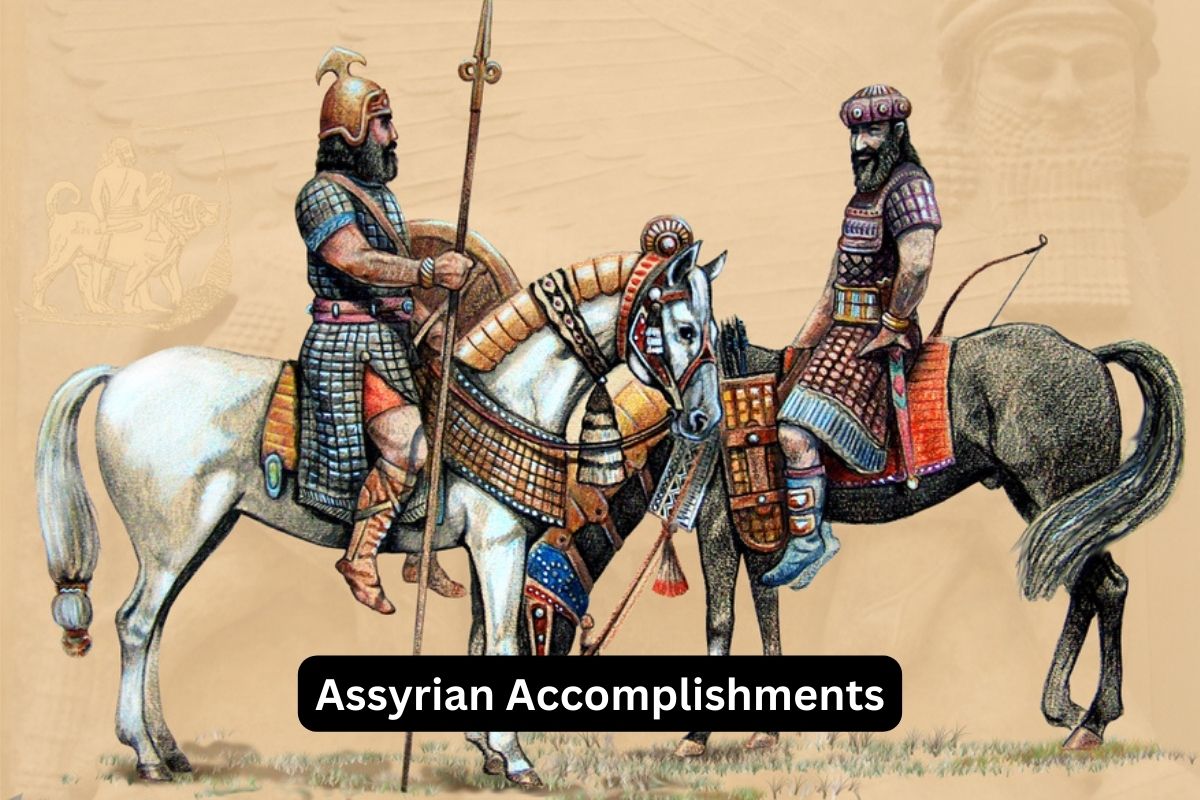
10 Assyrian Accomplishments and Achievements

Assyrian Accomplishments

The Assyrian civilization, which thrived in the ancient Near East from the 25th century BCE to the 7th century BCE, left a significant mark on history through various accomplishments. Renowned for their military might, the Assyrians established one of the first known empires and developed advanced administrative systems to govern their vast territories. Their cultural … Read more

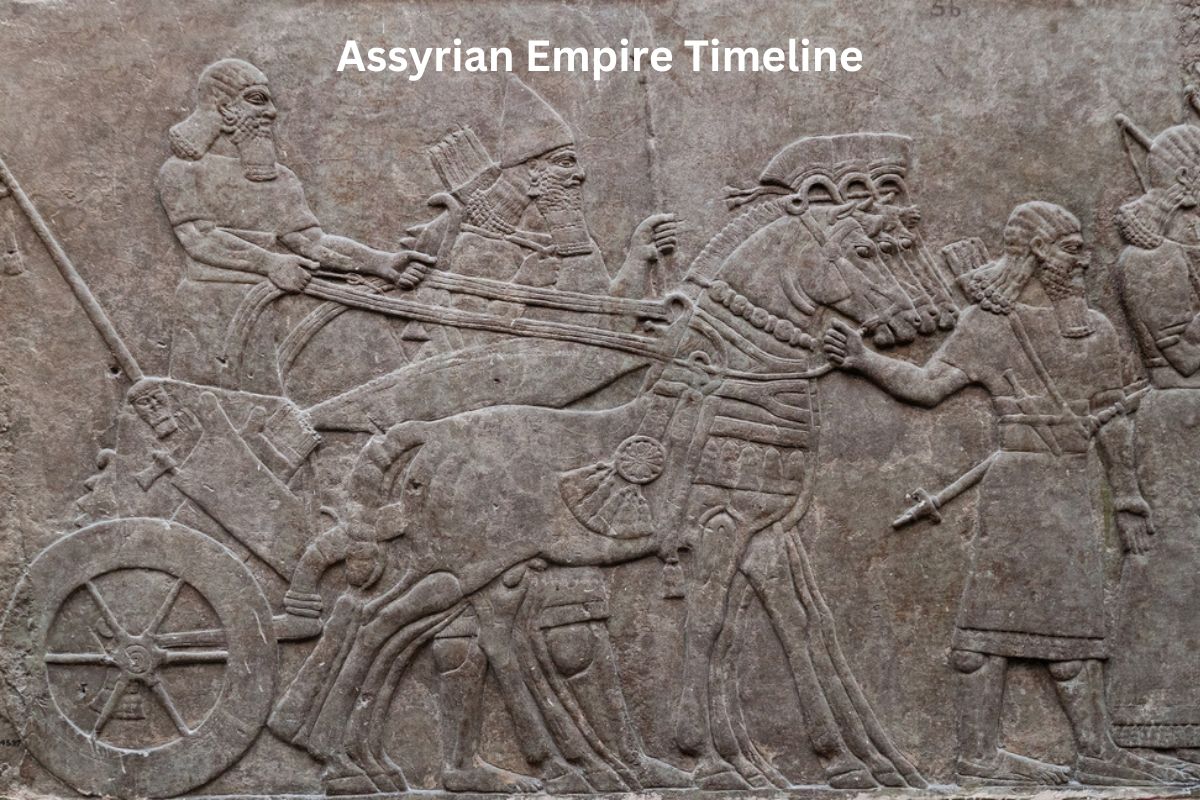
Assyrian Empire Timeline

Assyrian Empire Timeline

The Assyrian Empire, also known as the Assyrian Civilization, was one of the earliest and most powerful empires in human history. Originating from the city of Assur (or Ashur) in modern-day northern Iraq around 2000 BC, the empire spanned three distinct phases: the Old Assyrian Empire (c. 2000–1364 BC), the Middle Assyrian Empire (c. 1365–1056 … Read more