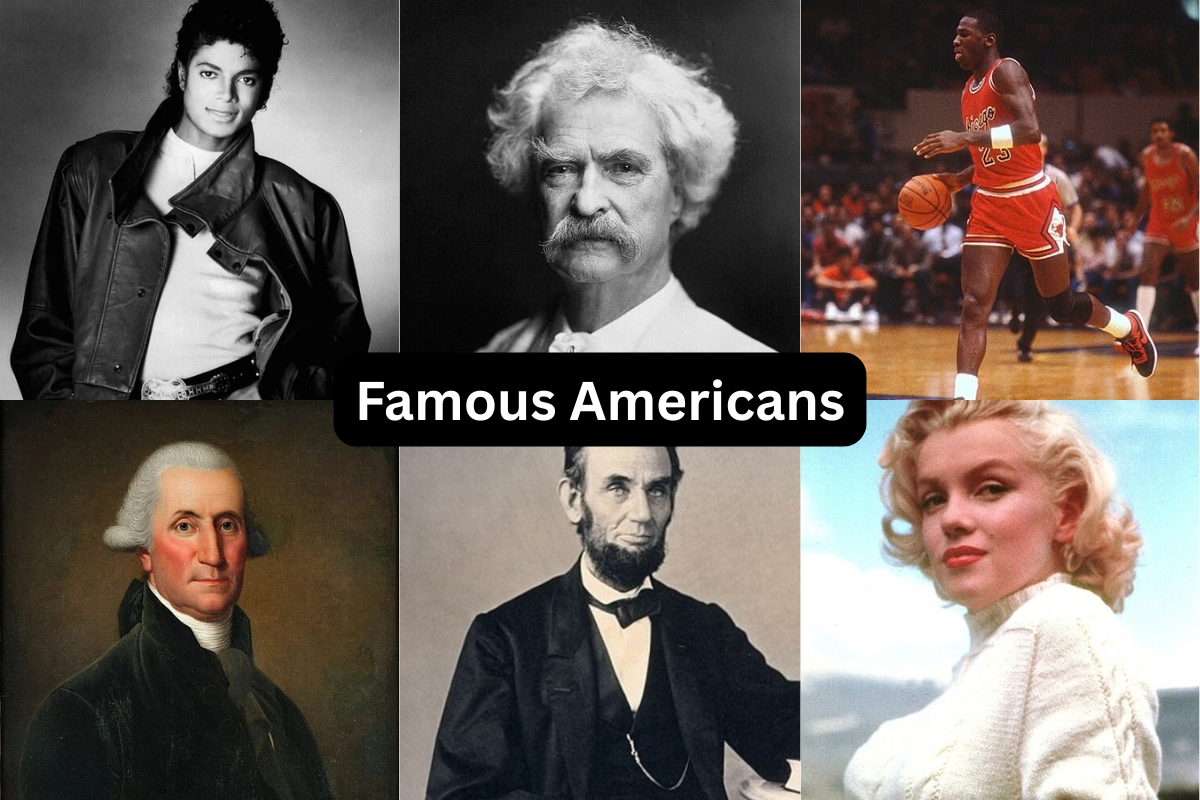
Throughout history, certain individuals have left an indelible mark on the United States, shaping its culture, politics, science, and entertainment.
From visionary leaders who guided the nation through times of war and crisis to groundbreaking inventors, influential activists, and iconic entertainers, these figures have defined what it means to be American.
Their contributions have not only shaped the country but also influenced the world, inspiring generations with their courage, creativity, and determination.
The following is a collection of some of the most famous Americans, spanning different eras and fields.
Famous Americans
1. George Washington (1732–1799)
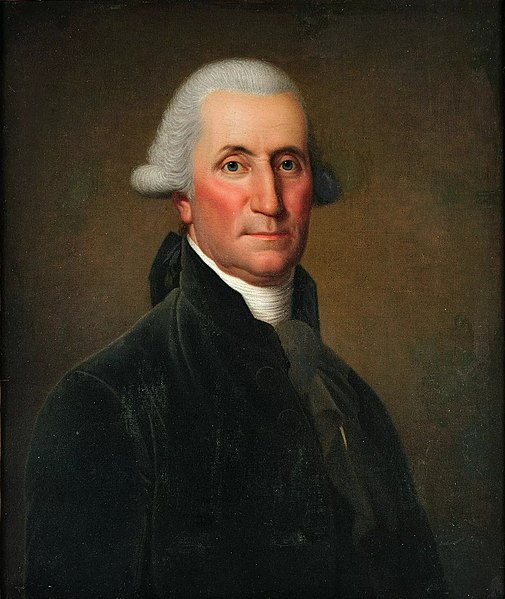
George Washington was the first President of the United States and a key figure in the American Revolution. As the commander of the Continental Army, he led the colonies to victory against Great Britain, securing independence.
He later presided over the Constitutional Convention and set many precedents for the presidency, including the two-term limit. His leadership helped establish the foundations of the U.S. government, and he remains one of the most revered figures in American history.
2. Abraham Lincoln (1809–1865)
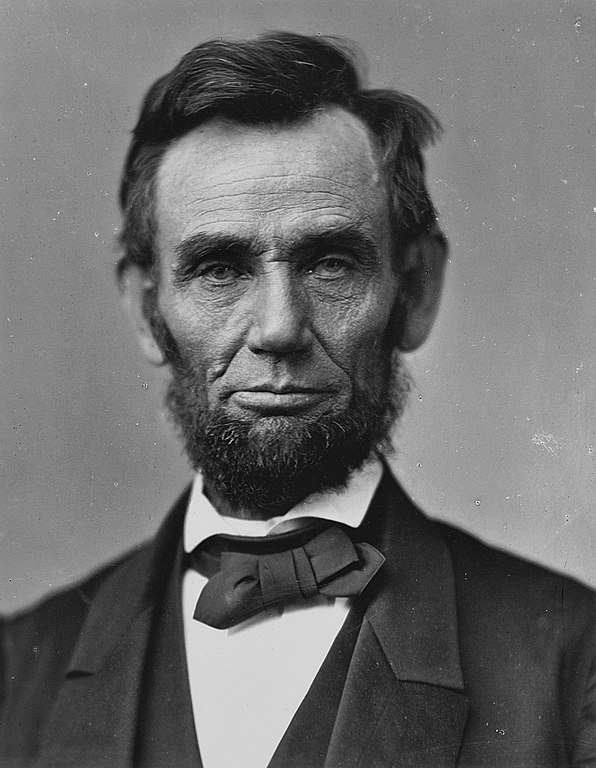
Abraham Lincoln, the 16th President of the United States, is best known for leading the country through the Civil War and abolishing slavery.
His Emancipation Proclamation in 1863 declared the freedom of enslaved people in Confederate states, and his leadership helped preserve the Union.
Lincoln’s Gettysburg Address is one of the most famous speeches in American history. Tragically, he was assassinated in 1865 by John Wilkes Booth, just days after the end of the war
3. Thomas Jefferson (1743–1826)
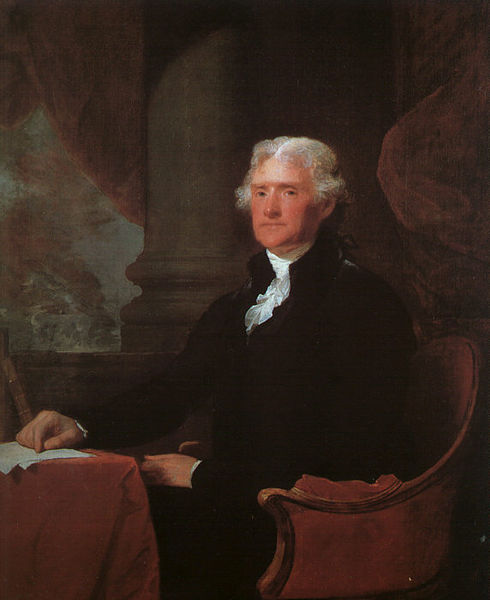
Thomas Jefferson was the third President of the United States and the primary author of the Declaration of Independence. A champion of democracy and individual rights, he played a crucial role in shaping early American government.
As President, he oversaw the Louisiana Purchase, which doubled the nation’s size, and commissioned the Lewis and Clark Expedition. His influence extended beyond politics, as he was also a philosopher, architect, and founder of the University of Virginia.
4. Franklin D. Roosevelt (1882–1945)
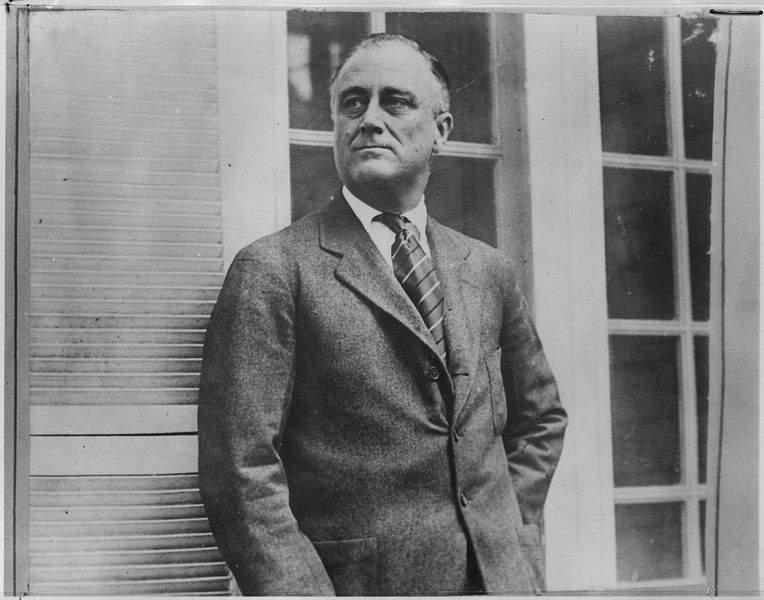
Franklin D. Roosevelt, commonly known as FDR, served as the 32nd President of the United States and is the only president to have been elected four times.
He led the country through the Great Depression with his New Deal policies and later through World War II. His leadership helped redefine the role of government in American society, introducing social security and various economic reforms.
He died in office in 1945, just months before the end of the war.
5. Martin Luther King Jr. (1929–1968).
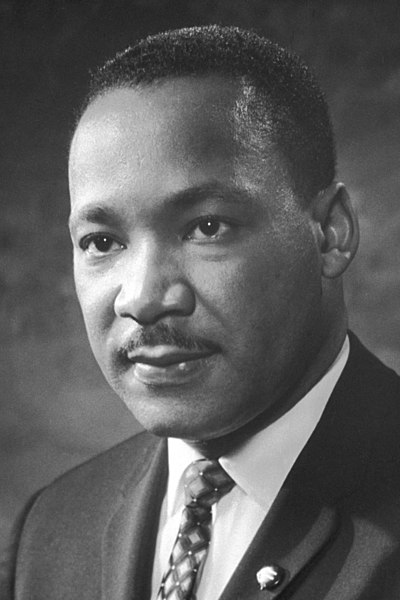
Martin Luther King Jr. was a Baptist minister and the most prominent leader of the American civil rights movement. Advocating for nonviolent resistance, he led marches and protests that helped end racial segregation and discrimination.
His “I Have a Dream” speech, delivered in 1963 during the March on Washington, remains one of the most famous speeches in history. He was awarded the Nobel Peace Prize in 1964 but was tragically assassinated in 1968 at the age of 39.
6. Theodore Roosevelt (1858–1919)
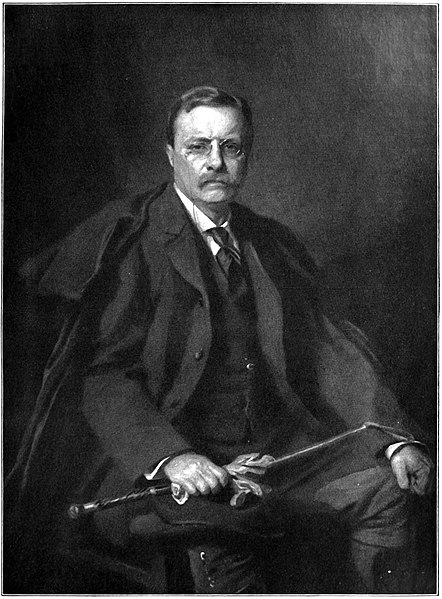
Theodore Roosevelt, the 26th President of the United States, was a war hero, conservationist, and progressive leader. He championed trust-busting policies to regulate big businesses and was instrumental in expanding America’s national parks.
Known for his energetic personality and “speak softly and carry a big stick” foreign policy, he played a key role in building the Panama Canal. After his presidency, he remained active in politics and exploration until his death in 1919.
7. Andrew Jackson (1767–1845)
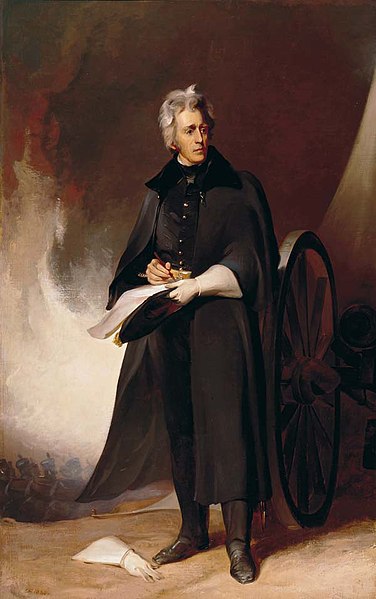
Andrew Jackson, the 7th President of the United States, was a military hero and a populist leader who reshaped American democracy. As a general, he became famous for his victory at the Battle of New Orleans during the War of 1812.
As president, he expanded executive power and pushed for policies like the Indian Removal Act, which led to the Trail of Tears. He was a polarizing figure, revered by some for championing the common man but criticized for his treatment of Native Americans.
8. Susan B. Anthony (1820–1906)
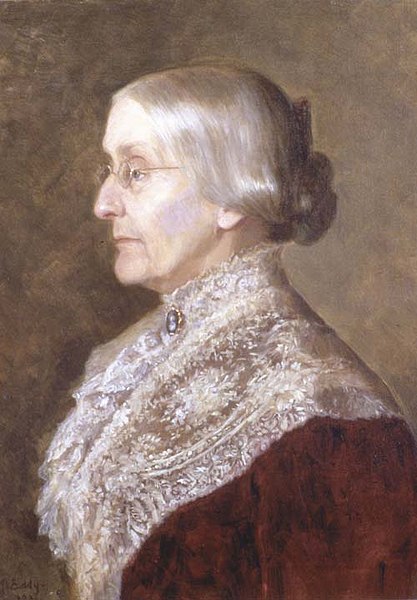
Susan B. Anthony was a pioneering women’s rights activist and a key leader in the movement for women’s suffrage. She co-founded the National Woman Suffrage Association and spent decades campaigning for women’s right to vote.
Her efforts laid the foundation for the eventual passage of the 19th Amendment in 1920, though she did not live to see it enacted. Her dedication to equality and justice made her one of the most influential reformers in American history.
9. Henry Ford (1863–1947)

Henry Ford transformed American industry by helping make automobiles affordable to a much larger section of the population. He founded the Ford Motor Company in 1903 and introduced the Model T in 1908.
Ford’s factories became famous for their use of moving assembly-line production. These methods dramatically increased manufacturing efficiency and influenced mass production throughout the industrial world.
10. Elvis Presley (1935–1977)

Elvis Presley, known as the “King of Rock and Roll,” was a cultural icon whose music, style, and performances transformed the entertainment industry.
With hits like “Hound Dog,” “Jailhouse Rock,” and “Can’t Help Falling in Love,” he popularized rock and roll and influenced generations of musicians.
His charismatic stage presence and groundbreaking sound made him one of the best-selling artists of all time. He died tragically at the age of 42, but his legacy endures.
11. Marilyn Monroe (1926–1962)

Marilyn Monroe was one of Hollywood’s most famous actresses and a global symbol of beauty and glamour. Starring in films like Gentlemen Prefer Blondes, Some Like It Hot, and The Seven Year Itch, she became one of the biggest movie stars of the 1950s.
Beyond her screen persona, she was a complex figure who struggled with fame, personal challenges, and the pressures of Hollywood. Her untimely death at 36 remains one of the most discussed tragedies in entertainment history.
12. Neil Armstrong (1930–2012)

Neil Armstrong was an astronaut and the first person to walk on the moon during the Apollo 11 mission in 1969.
His famous words, “That’s one small step for man, one giant leap for mankind,” marked a defining moment in human history.
Before becoming an astronaut, he was a Navy pilot and aerospace engineer. After his historic moon landing, he largely stayed out of the public eye, working in academia and aviation research.
13. Mark Twain (1835–1910)
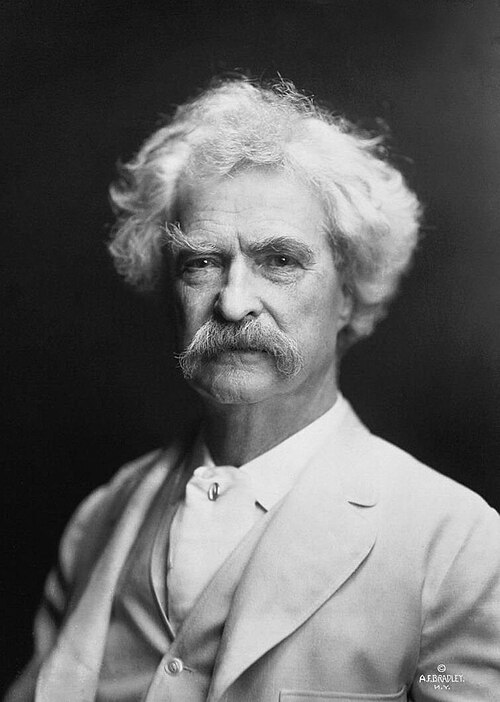
Mark Twain, born Samuel Langhorne Clemens, was one of America’s most celebrated writers and humorists. He is best known for The Adventures of Tom Sawyer and The Adventures of Huckleberry Finn, which are considered classics of American literature.
His sharp wit and keen observations of society made him a beloved figure in his time. He also traveled extensively and wrote about his experiences, leaving behind a vast literary legacy.
14. Michael Jackson (1958–2009)
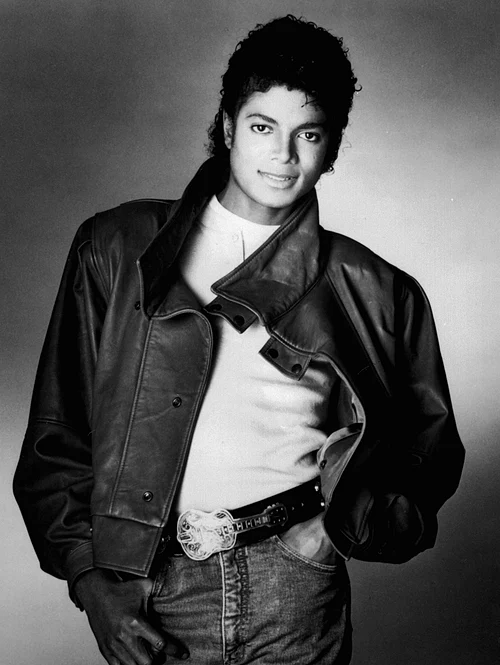
Michael Jackson became one of the most commercially successful and recognizable performers in popular music. After beginning his career with the Jackson 5, he achieved enormous solo success during the 1980s.
His 1982 album Thriller became one of the best-selling albums in history. Jackson’s music videos, choreography, stage performances, and distinctive style had a major influence on subsequent generations of pop performers.
15. Michael Jordan (1963–Present)

Michael Jordan is widely regarded as the greatest basketball player of all time. During his career with the Chicago Bulls, he won six NBA championships and became a global sports icon.
Known for his scoring ability, leadership, and competitive spirit, he helped popularize basketball worldwide.
His impact extended beyond sports, with endorsements, business ventures, and ownership of the Charlotte Hornets. Even after retiring, he remains one of the most recognizable and influential athletes in history.