Computer science has transformed almost every aspect of modern life, from communication and transportation to medicine, entertainment, and scientific research.
Behind these advances are mathematicians, programmers, engineers, and researchers who developed the fundamental ideas and technologies on which modern computing depends.
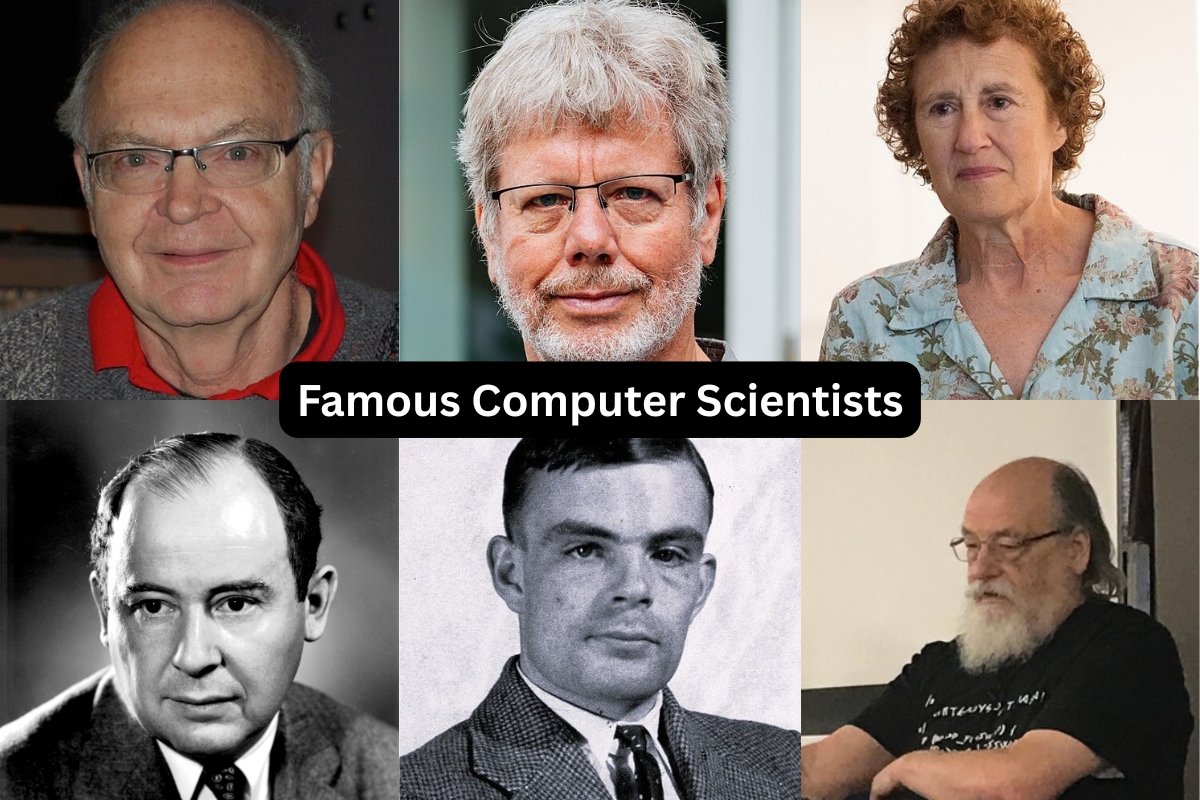
From Ada Lovelace’s early vision of programmable machines to Alan Turing’s theoretical breakthroughs and Tim Berners-Lee’s invention of the World Wide Web, these 13 computer scientists have had a major influence on the development of computing.
Famous Computer Scientists
1. Alan Turing (1912–1954)
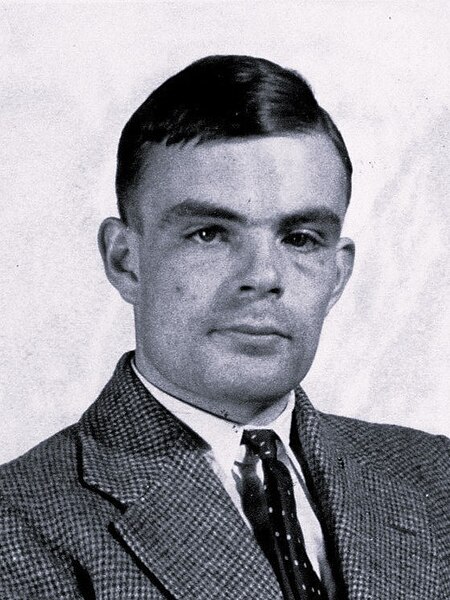
Alan Turing was a British mathematician and computer scientist whose theoretical work helped establish the foundations of modern computing.
In 1936, he described an abstract computing device now known as the Turing machine, which provided a mathematical model for understanding what computers can calculate.
During World War II, Turing worked at Bletchley Park, Britain’s codebreaking center. He made important contributions to efforts to decipher German encrypted communications, particularly messages produced using the Enigma machine.
Turing also became an early thinker in artificial intelligence. His 1950 paper Computing Machinery and Intelligence proposed what later became known as the Turing Test, designed to explore whether a machine could demonstrate intelligent behavior.
2. Ada Lovelace (1815–1852)
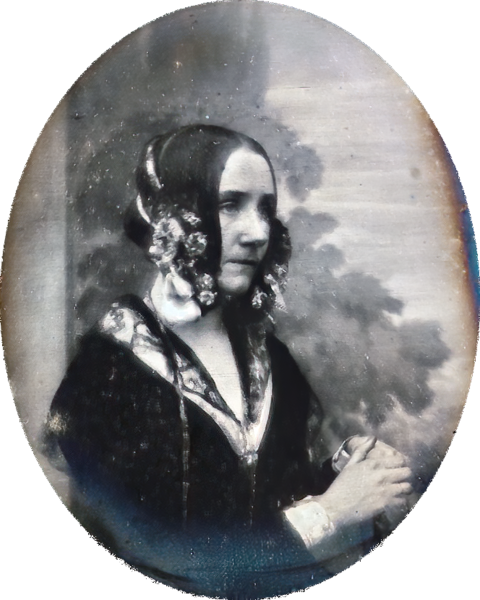
Ada Lovelace was an English mathematician who worked with inventor Charles Babbage on his proposed Analytical Engine, a mechanical general-purpose computing machine that was never fully constructed during their lifetimes.
Also Read: Famous Female Computer Scientists
In 1843, Lovelace published extensive notes accompanying her translation of an article about Babbage’s machine. Among them was a method for calculating Bernoulli numbers, frequently described as the first published computer algorithm intended for implementation by a machine.
More remarkably, Lovelace recognized that such machines might eventually manipulate symbols and information rather than simply perform arithmetic. This broader vision has made her an important figure in the early history of computing.
3. Grace Hopper (1906–1992)
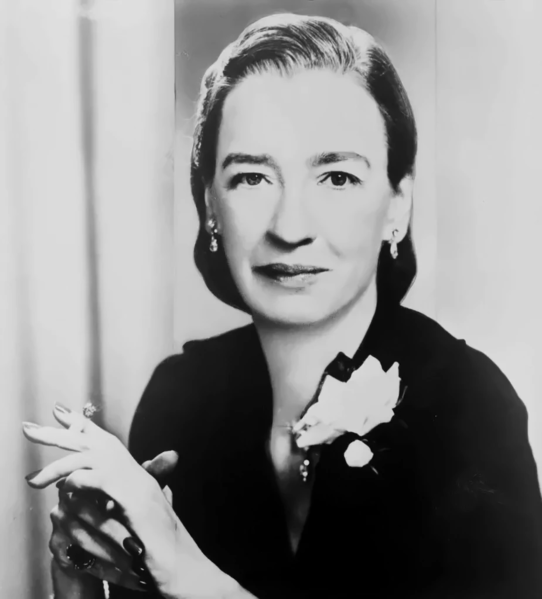
Grace Hopper was an American computer scientist, mathematician, and U.S. Navy officer who helped make computer programming more accessible.
During World War II, Hopper joined the U.S. Naval Reserve and worked with the Harvard Mark I, an early electromechanical computer. She later became a pioneer in compiler development, helping create systems that could translate more human-readable instructions into machine code.
Hopper’s work contributed to the development of COBOL, a programming language designed primarily for business applications. She became a prominent advocate for programming languages that were easier for people to understand and use.
4. John von Neumann (1903–1957)
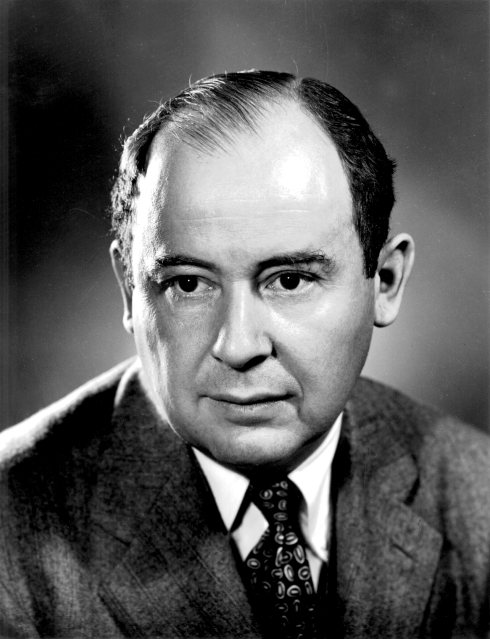
John von Neumann was a Hungarian-American mathematician who made major contributions to mathematics, physics, economics, and computer science.
He became closely associated with the stored-program computer architecture described in the 1945 report on the EDVAC computer. In this approach, both program instructions and data could be stored in a computer’s memory.
Although several researchers contributed to the concept, the resulting design became widely known as von Neumann architecture. Variations of this basic structure have been used in computers for decades, making von Neumann one of the most influential figures in computing history.
5. Donald Knuth (1938– )

Donald Knuth is an American computer scientist particularly famous for his work on algorithms and computer programming. His research helped establish rigorous mathematical methods for analyzing how efficiently algorithms operate.
Knuth is best known for his multi-volume series The Art of Computer Programming, which examines fundamental algorithms and programming techniques in extraordinary detail. The series became one of computer science’s most respected reference works.
He also developed the TeX typesetting system after becoming dissatisfied with the quality of mathematical typesetting. TeX and related systems remain widely used for scientific and mathematical documents.
6. Tim Berners-Lee (1955– )

Tim Berners-Lee is a British computer scientist best known as the inventor of the World Wide Web. While working at CERN in Switzerland, he wanted to create a simpler way for researchers to share and navigate information across computer networks.
In 1989, Berners-Lee proposed a system based on interconnected hypertext documents. He subsequently developed essential web technologies including HTML, HTTP, and the system of web addresses known as URLs.
He also created the first web browser and web server. By making the underlying technology openly available, Berners-Lee helped the Web spread rapidly around the world and become one of the most important technologies of the modern era.
7. Dennis Ritchie (1941–2011)

Dennis Ritchie was an American computer scientist whose work influenced both programming languages and operating systems.
While working at Bell Labs, Ritchie created the C programming language during the early 1970s. C combined considerable control over computer hardware with enough portability to allow programs to be adapted to different machines.
Ritchie also worked with Ken Thompson on the development of the Unix operating system. C and Unix subsequently influenced numerous operating systems and programming languages, including C++, Java, and many components of today’s computing infrastructure.
8. Margaret Hamilton (1936– )

Margaret Hamilton is an American computer scientist and software engineer best known for her work on NASA’s Apollo space program.
Hamilton led a team at the MIT Instrumentation Laboratory responsible for developing onboard flight software for the Apollo spacecraft. The software had to operate reliably with extremely limited computing resources while handling unexpected conditions during missions.
During the Apollo 11 lunar landing in 1969, the software successfully prioritized essential tasks when the computer became overloaded with data. Hamilton later became a major advocate for treating software development as a rigorous engineering discipline and helped popularize the term software engineering.
9. Edsger W. Dijkstra (1930–2002)
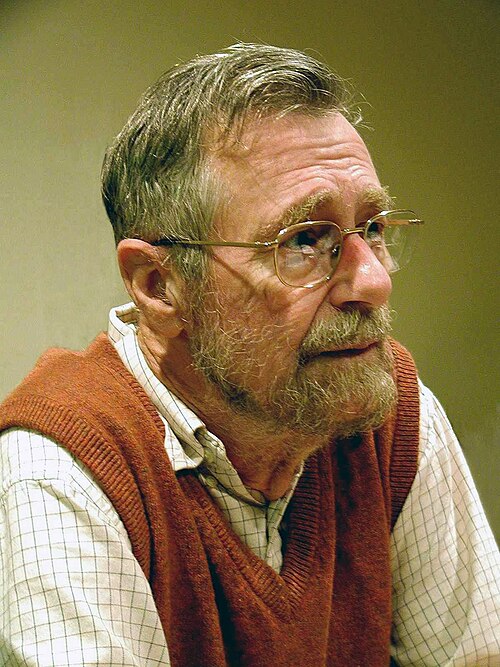
Edsger W. Dijkstra was a Dutch computer scientist whose research influenced algorithms, programming methodology, operating systems, and software development.
One of his best-known achievements is Dijkstra’s algorithm, developed to determine the shortest path between points in a network. Variations of the algorithm are used in areas such as routing, transportation planning, and computer networking.
Dijkstra was also a major advocate of structured programming. He argued that carefully organized programs were easier to understand, verify, and maintain than unnecessarily complicated code.
10. Barbara Liskov (1939– )

Barbara Liskov is an American computer scientist whose research has had a major influence on programming languages and software engineering.
At MIT, she led the development of CLU, an influential programming language that introduced or advanced concepts involving data abstraction and modular programming. Many of these ideas later appeared in widely used programming languages.
She is also associated with the Liskov Substitution Principle, an important concept in object-oriented software design. Liskov’s research additionally contributed to distributed systems and fault-tolerant computing.
11. Ken Thompson (1943– )

Ken Thompson is an American computer scientist best known for helping create the Unix operating system at Bell Labs.
Working closely with Dennis Ritchie and other researchers, Thompson developed early versions of Unix beginning in the late 1960s. Unix introduced design principles that influenced generations of later operating systems, including Linux and Apple’s macOS.
Thompson also helped create the B programming language, a predecessor of C, and later co-designed the Go programming language at Google. His work has had a lasting influence on operating systems and software development.
12. John McCarthy (1927–2011)
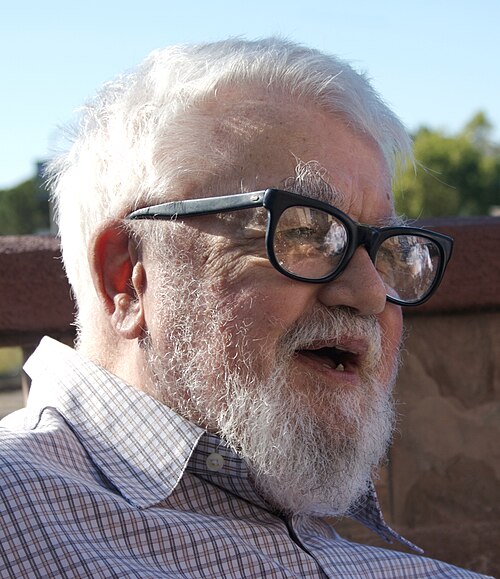
John McCarthy was an American computer scientist and one of the founders of artificial intelligence as an academic discipline.
McCarthy coined the term “artificial intelligence” in connection with the 1956 Dartmouth workshop, an event often regarded as an important starting point for AI research as a distinct field.
He also created Lisp, a programming language that became closely associated with artificial intelligence research. McCarthy spent much of his career investigating how computers could perform tasks involving reasoning, problem-solving, and knowledge representation.
13. Guido van Rossum (1956– )

Guido van Rossum is a Dutch programmer best known for creating the Python programming language. He began developing Python around the end of the 1980s, with its first public release appearing in 1991.
Python was designed to emphasize readability and relatively straightforward syntax. These characteristics helped make it accessible to beginners while remaining powerful enough for professional software development.
The language eventually became widely used in web development, automation, scientific computing, data analysis, machine learning, and artificial intelligence. Van Rossum served for many years as Python’s principal decision-maker and remains one of the best-known figures in modern programming.